While bidding farewell to 2017, Google India came out with a comprehensive report titled, ‘Year in Search’ which throws light into the way Indian consumes content. Google’s annual report offers a unique perspective on India’s most significant trends, major events and local and topical interests that reflect the ever-changing psyche of India’s online millions.
As of 2017, India’s internet users were estimated a little north of 400 million. Today, that number is closer to 450 million. While that number constitutes less than 30% of our total population, it is the second largest online market after China – and it is only growing. By 2020, the Year in Search India report estimates more than 650 million Indians will be online. That’s double the population of the United States.
Every day, more and more Indians are discovering the internet and integrating it into their daily lives – to look for information, entertainment, answers and everything in between.
The report spans 11 verticals and delves into consumer behaviour to reveal what goes on in the minds of India’s next billion internet users and the implications this has for brands and marketers. Here are the top five emerging trends identified in the report.
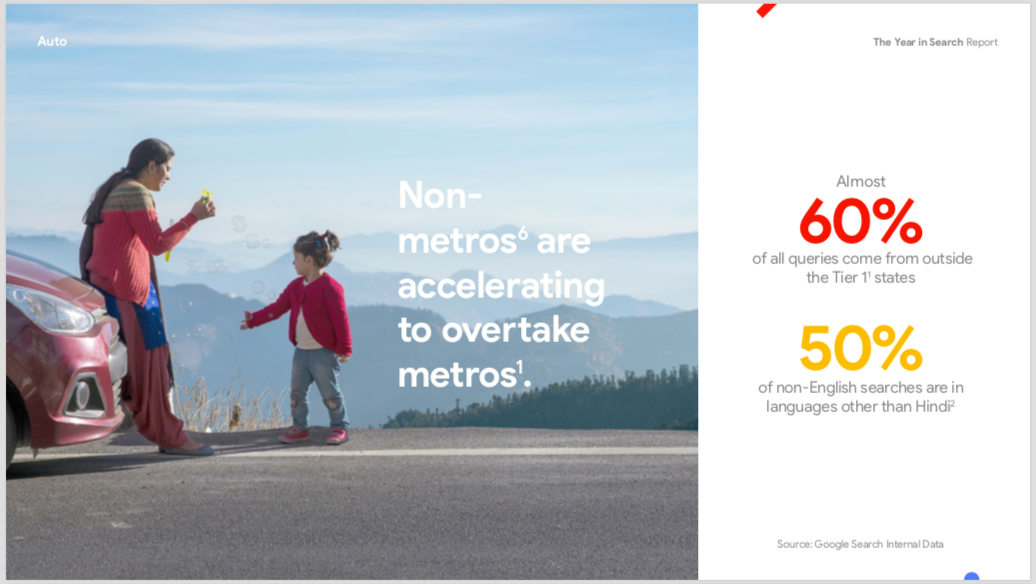
Non-metros in India are quickly catching up with the major cities regarding internet usage. Voice, vernacular and video are three key pillars that are showing strong and steady growth. Search queries are growing at a faster rate in non-metros than metros. In fact, 2 in 3 queries are from non-metro cities. And given the growth of regional content online, Hindi is of course still the dominant language; other regional languages like Bengali, Telugu, Marathi, Gujarati, Tamil, Kannada, Malayalam, and Punjabi are swiftly gaining prominence online.
This only goes to show that brands would have to focus on Tier II and III cities and digital marketing strategies would have to focus on languages apart from English. This is the only way to reach the right target audience.
2017 saw digital undergo a major paradigm shift – from a support-marketing channel to a full-fledged business platform of its own. According to the digital marketing industry report that we recently released, 68% of brands leverage digital marketing to promote their products and services.
Sectors like auto, banking, finance and insurance (BFSI) showed a direct correlation between online research and offline purchase. A leading OEM’s sales were driven 20% by digital. Similarly, sectors like FMCG and banking saw entire transactions being carried out online. Consumers relied on Search to educate themselves and discover products before finally converting online. For instance, consumers not only searched for hair care tips online but also looked for products that would help them solve their hair problems. As per the report, the Internet will influence $45 billion of FMCG sales in India. This is further proof of how digital will revolutionise the FMCG sector.
Growth spurts in e-commerce, travel, finance and digital media have driven online consumer expenditure, which is expected to grow 2.5 times to $100 billion by 2020. Furthermore, the report projects that India’s online spender base will expand 2-3x its current volume to reach an astounding 180-200 million by 2020. There was a 70% growth in Telco-owned owned mobile wallets like Airtel Money, Vodafone mPesa, etc. All these figures point to a robust e-commerce ecosystem.
The online and offline are merging to create a holistic story. The lines between digital and physical consumer behaviours continue to blur. Take for example – a 50% increase in search volume for “stores near me” indicating that online searches for stores are an now an integral part of a consumer’s shopping experience. Similarly, the auto industry saw an astounding 79% of car buyers making purchases after watching a video online. These examples reinforce the fact that what happens online directly affects what happens next offline.
Newer technologies like AI and machine learning are upping the ante, leveraged as marketing and business solutions. Across categories, Google’s Year in Search shows several examples of a market primed to take on the benefits of AI and machine learning. India’s auto industry saw intending car buyers take favourably to 360-degree video and virtual reality, which could potentially replace test drives. Insurance players turned to AI-chatbots to efficiently answer user queries at scale. Concurrently, content consumption patterns on video viewing platforms continue to be influenced by machine learning.
As per the Google trends in India report, online searches related to the auto sector are on the rise. This is more so in non-metros where digital sales drove 20% of original equipment manufacturer (OEM) sales.
Two wheeler insurance saw a 100% increase in queries, while searches related to parts and accessories and servicing saw a 43% and 70% rise each.
The report also states that car buyers are now looking for a more omnichannel experience. This is evidenced by a 50% reduction in offline touch points during the buying process. Car buyers are relying more on the internet for videos regarding their vehicles and virtual test drives prior to finalising. In fact, 71% of consumers believe VR test drives and 360 videos could replace the conventional method of test-driving a vehicle. Videos are the simplest way of building your brand and utilising the video medium was one of the key digital marketing trends of 2017.
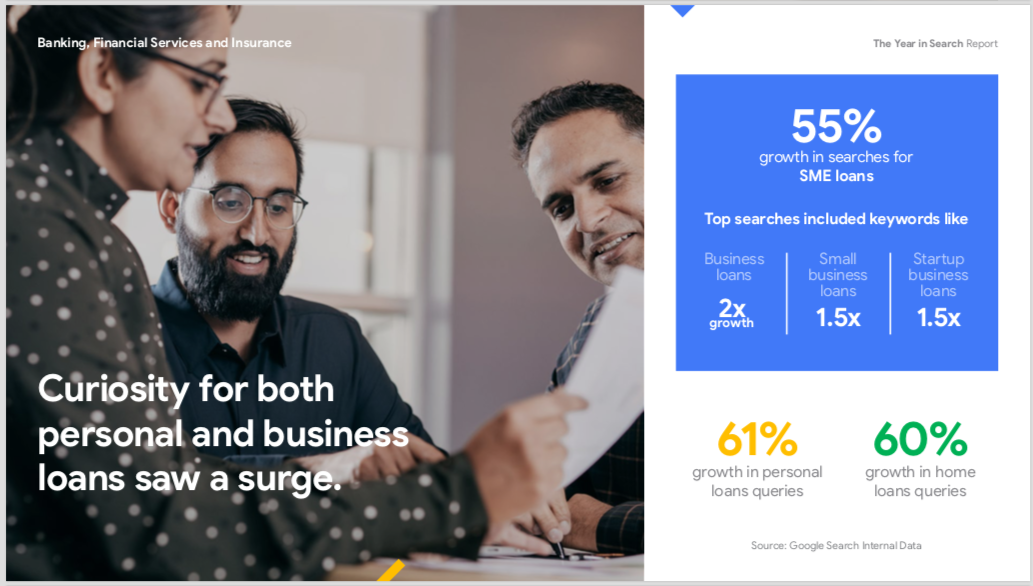
Business and personal home loan queries saw a massive surge, as did searches related to banking solutions and information about mutual funds. BFSI brands have also seen a significant impact on driving consideration and overall digital acquisition as a result of using a “search bar” as a call to action. Businesses also began utilising machine learning for speech to text translations and sentiment predictions in their call centre transcripts, all of which have resulted in a seamless experience and improved efficiency for customers and businesses alike. All in all, leveraging digital marketing for the financial industry has proved beneficial.
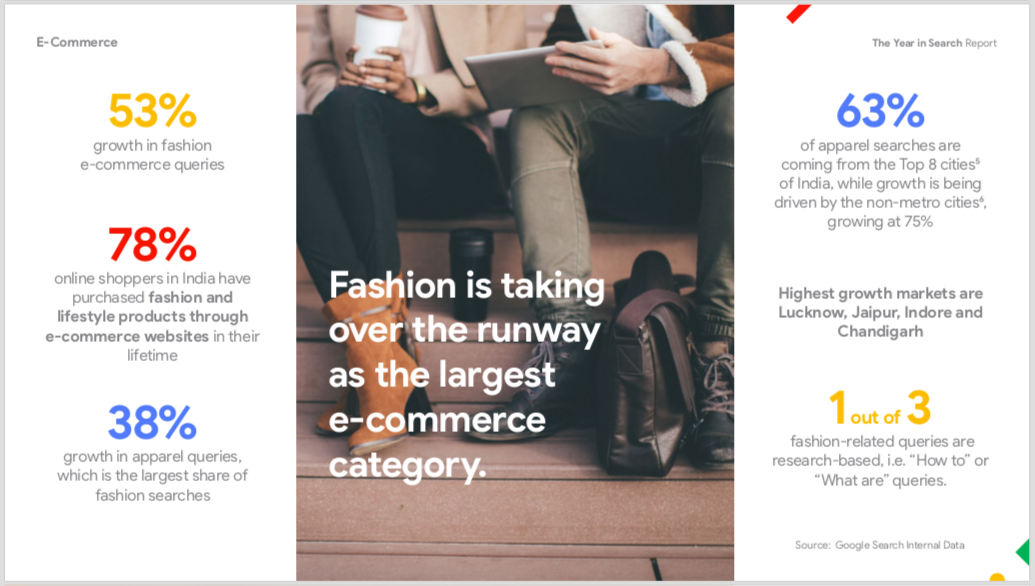
2017 was a good year for the e-commerce sector. There was a 41% growth in shopping queries, most of these coming from non-metros. The most significant growth markets are Patna, Lucknow. By 2020, digital spending and women shoppers are expected to grow by 2.5x.
The largest e-commerce category is fashion with a 53% growth in fashion e-commerce queries. Other fast-growing sectors include baby care, growing at 36% and groceries showing an average growth rate of 65-70% between 2017 and 2020. The report evidences that online shopping is increasing beyond India’s metros; searches in Hindi and other regional languages have gone up by 61% with Hindi commanding the highest share.
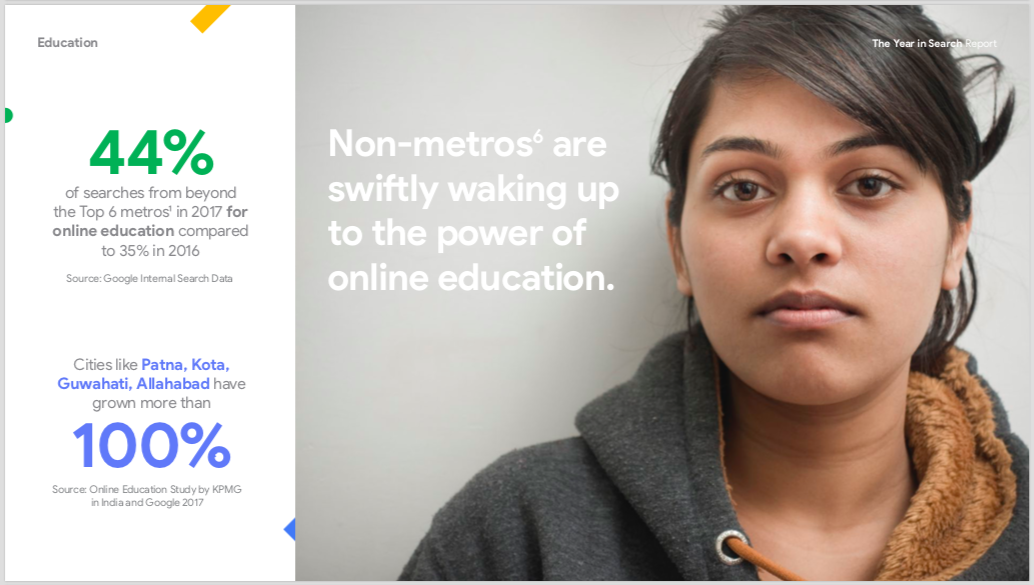
Education is rapidly coming up online; it comes as no surprise that learning and education related searches grew by 2x, while education content on YouTube grew to 4x. Non-metros showed more than 100% growth, with maximum interest in courses that taught new technology, i.e. machine learning, cloud computing, artificial intelligence.
For young Indians today, there are a plethora of jobs and career options you can take up with the reach and convenience of the Internet. Follow our YouTube channel Arrear Irundalum Career for tips and tricks on making it big in life by following your passion. Here's a quick video on Job Interview Tips to help get you started. You can also check out our Arrear Irundalum Career website for further career guidance tips!
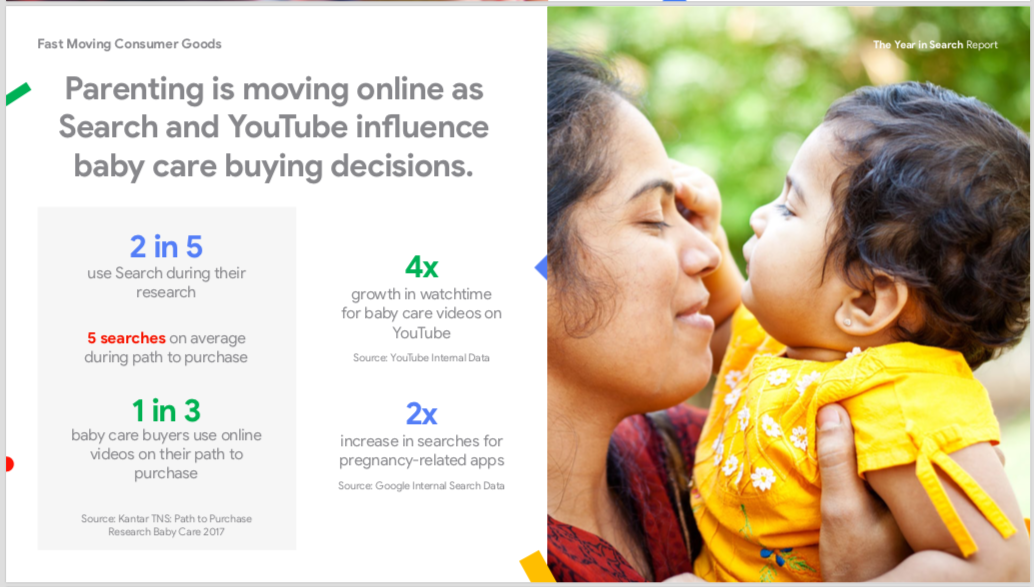
Digital is spearheading business for the FMCG category, particularly the beauty industry. 2017 saw a 60% increase in beauty related searches and searches related to parenting and baby care buying decisions.
Much of this is also influenced by YouTube as there is a 4x growth in watch time for baby care videos. According to YouTube Brandcast 2018, more than 50% of women professionals watch YouTube videos for more information before purchasing in categories like beauty, real estate and automobiles.
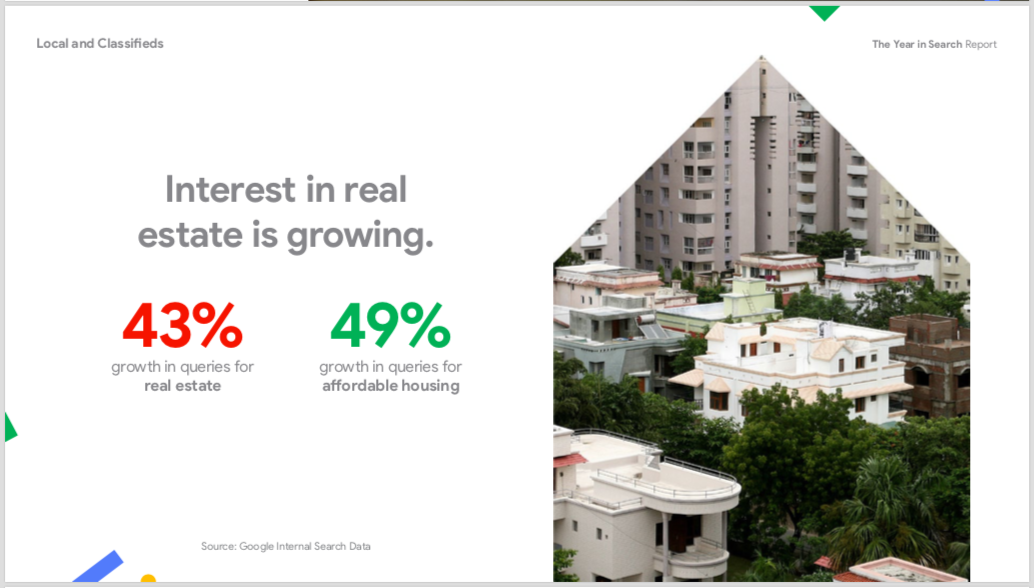
Real estate, too, saw a 43% jump in search queries and a 49% growth in searches related to affordable housing.
Showcasing properties on digital platforms is one of the most effective ways for developers to sell their properties. With a multitude of techniques including advertising on various platforms, multilingual content and a strong search engine marketing, real estate developers can generate even a 190 crore in revenue using the digital media.
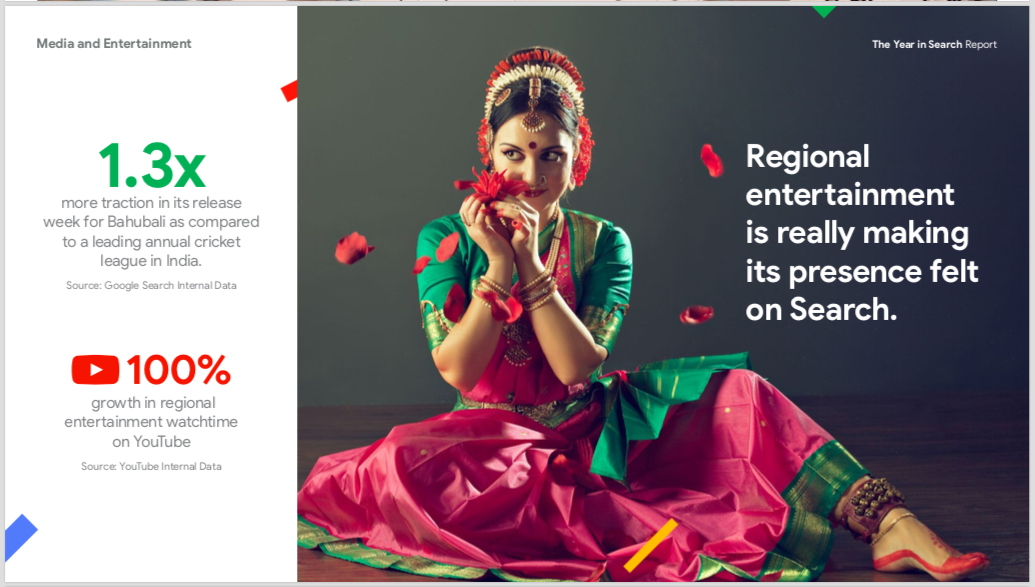
Regional content ruled all aspects of entertainment with a 100% growth in vernacular entertainment watch time on YouTube. There were high conversions and growth in watch time when viewers were exposed to a TV ad for a show online.
We have witnessed first-hand the power of regional content on YouTube. For the ‘Good Netizen Good Citizen’ Campaign by The Murugappa Group, we at Social Beat conceptualised for a video that would resonate with their audience base. Since The Murugappa Group is based out of Tamil Nadu, Tamil language content would be more natural for their audiences to understand and relate to.
These videos performed incredibly well on YouTube - one of them even received over 570,000 views. Users actively engaged with the video, commenting and sharing it on various social media platforms.
Providing shoppers with an omnichannel shopping experience is proving valuable for businesses. Shoppers Stop worked with Google to connect their offline sales with their digital marketing spends. This got them a 2.5x Return on Ad Spends (ROAS).
Our client Gehna, too, follows an omnichannel approach with a physical boutique and presence online, selling on Facebook, Amazon and on their website.
Indians in non-metros embraced India’s fast-growing internet penetration and used it to research before buying new gadgets, which resulted in a 45% growth in queries for consumer electronics. New and niche technologies also witnessed a boost in search queries to the tune of 3x more interest in smart home devices and 2x growth in both in smart homes, appliances and lighting, and smartwatches and fitness bands.
Business-related tech took off in a big way as well, with an increased interest in accounting software, website builders and HR and finance/payroll categories.
With the advent of 4G in India, most of our internet traffic this year came from outside India’s top eight cities. Consumption patterns fluctuated with searches for mobile data jumped to 70% for 4G and dropped to 30% for 2G and 3G.
With the top 4 telcos offering competitive prices, consumers took full advantage – searches for offers shot up by 141%. There was a substantial increase in payment bank searches – nearly 174% as consumers are now looking beyond cash and card payments.
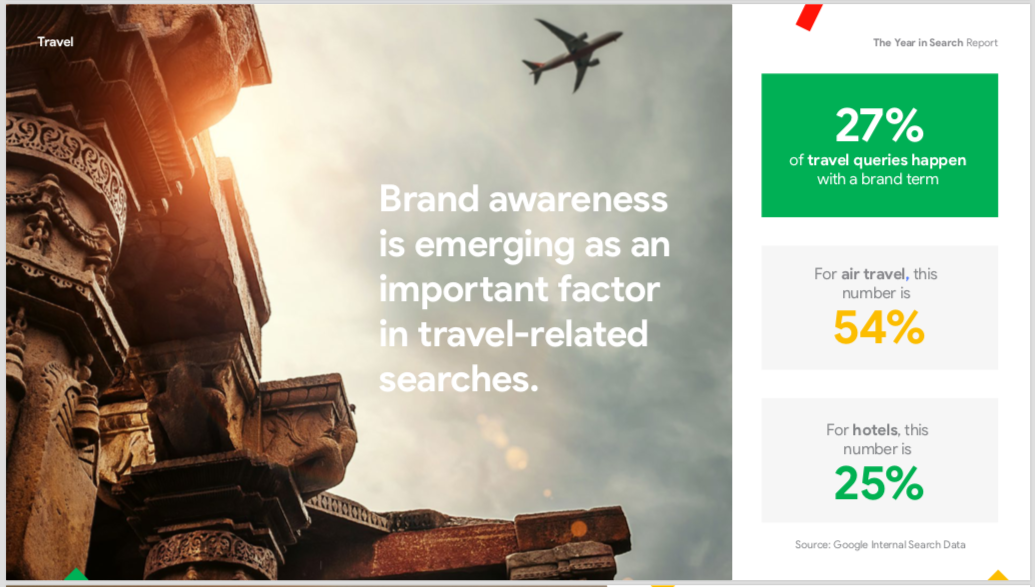
India loves to travel, and by 2020, the Indian travel market is poised to hit $48 billion, with Tier 2 cities leading this growth. Voice and fast loading mobile experiences and brand awareness are emerging key factors in travel-related searches.
This report only proves that digital marketing is the most important medium to market your brand. Whether you are a real estate giant or an FMCG brand, if you have an ambitious project in mind, reach out to us.
For more information, insights and opportunities in your vertical, download the report here.
The 2018 edition of Mary Meeker’s eagerly anticipated Internet Trends report is out and provides one of the most comprehensive insights into the global digital landscape. This year, the report covered a wide range of important themes from mobile usage and the rise of cryptocurrency to work patterns and immigration. One of the most important topics covered was the rise of China’s technological growth and how it will very likely overtake the US in terms of innovation and advancements.
While the 2018 report hasn’t covered India in depth, it is still an excellent barometer by which we can understand how the digital landscape here compares to the rest of the world. India’s internet growth has followed a very different path due to several factors that are unique to the country. While the US and China are already massive established markets, India’s strength lies in the fact that this is still an emerging market. This presents a huge potential waiting to be tapped into.
Here are a few key takeaways from the Mary Meeker Internet Trends Report 2018 and how India compares.
2018 records the highest number of people on the internet. Almost half of the global population, around 3.6 billion, are now connected via the internet. One of the reasons for this is the growth of WiFi networks across the world. Today there are around 450 million WiFi networks globally, as compared to five years ago when there were only around 100 million.
In India, however, it is not so much WiFi that is spearheading the growth of the internet, but mobile data. Drastic reductions in the price of mobile data have made the internet more accessible to all sections of the population. One of the catalysts for this development was the launch of Jio. Of the 150 crore GB of mobile data consumed by Indians, 100 crore GB was through just the Jio network. Google has made some strides with its Rail Wire initiative and there is free WiFi available in over 370 railway stations. They recently reported 7.5 million users consumed 7,100 terabytes across these stations. Additionally, 80% of all enquiries come in through mobiles. Because of this, mobile platforms are becoming increasingly important for brands. Speed and convenience are two of the most-valued features in Indian markets. This is why brands here are beginning to adopt a ‘mobile-first’ approach and utilise AMP-implemented landing pages to improve a user’s experience and generate higher leads.
Global internet adoption rates are growing slower than they ever have. In 2017, internet user growth stood at only 7% as compared to 12% the previous year. This could be because since most people are already connected to the internet, there are fewer new users to be added.
In India, however, a completely different scenario is unfolding. Up until 2016, Indian internet users were growing at an incredible 28% annually. Mobile data, cheaper smartphones and growth of vernacular content online has played a pivotal role in expanding the internet beyond just urban areas, into tier 2 and 3 cities and towns. Most significantly of all, internet penetration in India stands at only 27%. This shows that there is a huge opportunity for brands to take advantage of as internet adoption in the country continues to rise.
While the total time spent on mobile devices is increasing, 2017 marked the first year where smartphone shipments showed no growth. Again, this could be because the number of smartphone users around the world has more or less plateaued. The year also witnessed a paradox, wherein despite some of the most expensive phones such as the iPhone X and Samsung Galaxy Note releasing, global average smartphone prices are falling.
As a fast-growing market, India’s smartphone sales figures were markedly different. Counterpoint revealed that India recorded an incredible 48% YoY growth in Q1 of 2018. The demand was for affordable smartphones which still provided a wide range of features. It comes as no surprise, therefore, that Chinese phone brands known for providing just this dominated the market. Of the 10 top selling phone brands in 2017, 6 of them were by Chinese manufacturers.
While consumers in the US are spending more time than ever on their smartphones, mobile advertising budgets are not reflecting this. An average adult in the US spent around 5.9 hours on their mobile phone each day in 2017 as compared to 5.6 hours in 2016. But while advertisers are slowly branching out into mobile advertising instead of just traditional advertising, this shift isn’t happening fast enough. While 29% of time is spent on mobile, only 26% of advertising budgets are used for mobile platforms. This has resulted in a $7 billion gap that brands need to take advantage of.
In India, this potential might be far greater. As the country begins to benefit from cheaper mobile data and smartphones, higher digital literacy and greater access to digital content online, the number of hours spent on their phones will also increase. Currently, Indians spend 89% of their total online time on mobile data, far greater than the US average of 29%. Because of this, a study by Nielsen and BCG identified a $100 billion opportunity for digital consumer spending in India. One of the biggest contributing factors for this was the growth of mobile internet in the country.
One of the biggest trends in 2017 was the advancements made in voice technology. Google’s Machine Learning technology achieved a 95% accuracy, which is the same as that of a human. Amazon Echo’s sales also skyrocketed to 30 million in 2017 as compared to 10 million the year before. Consumers today are more willing to use voice search as accuracy and convenience of the technology improves.
As Google’s Indian language voice search accuracy improves, more Indians are beginning to use it as well. 28% of all searches on Google in India are voice searches. There has also been a 400% growth in Hindi voice search, indicating the willingness of users to perform voice searches in vernacular languages. The Google India Search Insights 2017 also showed that there was a 63% jump in data/voice usage. Moreover, 7% of all travel-related queries were through voice. Google Home and Amazon Echo were also launched in India recently, however, they do not support Hindi as yet. It remains to be seen how the lack of Indian language recognition will impact their adoption in India.
Amazon is by far the biggest player in US e-commerce sales. In 2017, it had a 28% share of the e-commerce market, with $129 billion in Gross Merchandise Volume (GMV). To put this into perspective, it had only a 20% share of the market in 2013, with a GMV of $52 billion. The report also showed that most product searches today happen directly on Amazon. While 36% of product searches are conducted on a search engine, 49% of them are started on Amazon. But while Amazon is the biggest e-commerce player in the US, at $701 billion, Chinese e-commerce giant Alibaba has a much higher GMV.
Back in India as well, Amazon is growing at a breakneck pace. In FY2017, Amazon announced that it had grown in its revenue by 105% in India. The number of app downloads for Amazon crossed 100 million by November 2017, with around 4.8% users visiting the app every single day. In the five years since its launch, Amazon has overtaken homegrown e-commerce companies like Flipkart and Snapdeal. The only competition for Amazon India could be Alibaba who has also announced plans to expand into Indian markets.
These findings prove that India’s rapidly expanding market presents a huge opportunity that brands cannot afford to ignore. As more Indians continue to come online, India will soon become an important player on the global digital stage.
The past decade has witnessed digital marketing surface as a key player in the advertising and branding of an organisation. Apart from uplifting the brand image and being the winning formula to generate more B2B leads, going digital also helps organisations reach their target audience which, in turn, leads to enhanced sales.
One such industry that has accomplished significant growth in digital marketing is the real estate industry. From enhanced sales to heightened outreach, the online space has proved to be a game changer for the property sector and is guaranteed to transform the real estate industry in 2018. Here are some of the effective real estate marketing strategies that you can apply for your brand as well.
As we all know, a landing page is a one-stop formula to transform your lead generation. In order to get the best out of your landing page, make sure the website is engineered for top performance. Opt for tailor-made designs which are beyond the recent sub-par and patience-testing crawl that current websites exhibit on current browsers. It is also important to optimize your website for different platforms as almost everyone uses a smartphone, tablet or desktop of some kind. When they need information online, you can make it quick and easy by showcasing your landing page containing all the information needed for your product or service. Listed below are few of the advanced features you can implement on your landing page for profound results:
Sticky contact forms eliminate the need for users to scroll up and down the page in search of a respective call-to-action like a “Contact Us” or a “Book Now” button. Pages with sticky contact form implementation have recorded a 30% higher rate of lead generation and conversions.
You can now integrate your mobile landing pages with a ‘Call Option’ and a ‘Request Call Back’ button at the bottom of the site. This avoids a long form taking up screen on the website which, in turn, leads to the improved user experience.
Apart from enhanced navigation, you can also track the performance of the page and retrieve the list of users who have clicked on the button but not filled the form with Event Tracking. This will help you in aggressively retargeting the users till they ultimately convert to loyal customers.
Upgrading your landing page with a “Click for Price” call-to-action will not only increase the number of lead enquires but also generate more quality leads for the project. This feature is particularly useful for developers who are showcasing multiple developments. It helps them direct the potential clients to the projects that fit their budgets and preferences. This way, developers can also brilliantly categorise their affordable projects by placing them under a tab of “Lesser than Rs 60 lakhs”, for an instance.
Google Display Network is a ground-breaking marketing strategy that can effectively increase the lead generation and conversions of your website through elaborate retargeting. Let’s take a look at how a real estate company can leverage this phenomenon to market their brand in the digital space.
Linking your Google Analytics account to your AdWords manager will give you a closer insight into the content consumption pattern of your website traffic after an ad click. This data will help you analyse how much of your online leads are generated from AdWords which will, in turn, enhance the performance of your site. You can also categorise your audience into search, display and direct audiences.
Check out our comprehensive guide to AdWords Smart Display Campaigns for more insights.
The search network helps you reach people who've interacted with your business by retargeting. These audiences will have a very strong intent to buy your property and are most likely a few clicks away from conversion. These are the visitors who have landed on your page through an organic search with the sole aim to purchase.
The audiences generated through the display network are targeted based on their consumer behaviour. Due to this, they are usually bigger in number with a lesser probability of conversions.
Now that you know the type of audiences you can target in order to market your brand or advertise a property, let’s find out how to segment this data in Google Analytics. Read on to know more.
Step 1: Go to ‘Analytics Property’ and select ‘Audiences Definition’ to create a new audience.
Step 2: Select the Source as ‘Direct’ for direct or organic visitors and select ‘Search Campaign Name’ for search visitors
The main objective behind this strategy is to remarket aggressively to users visiting your website from the Search Network and allocate high budgets to this list instead of running a remarketing campaign on the entire cluster of visitors.
The most effective strategy when it comes to remarketing your property to the online audience is to target only the viewers who have scrolled down your microsite. Since a majority of the users may exit the website from the first fold, it does not make sense to remarket to the set of users who have not engaged with your product.
Marketers can leverage the power of Google Tag Manager (GTM) to capture events in Google Analytics for page scrollers. You can choose a scrolling rate of 25%, 50%, 75% or 100% and set the goal in Analytics to track the performance of your page. For example, you can create an audience based on the engaged users who have scrolled to the second fold of your microsite to target them back efficiently. The main objective here is to remove non-engaged users from the cookie pool and utilize bids and budgets to remarket to engaged users only.
By creating a Custom Affinity Audience, real estate companies can reach out to individuals browsing for similar projects in the online space and have most likely filled a lead form with your competitors. This audience can be retrieved with the help of the Thank you Page URL. However, we recommend using this strategy only for the domestic market for a narrow reach. This will also help in effectively communicating the USP of the property in the regional ads.
To reach out to the international market, marketers can create custom audiences based on the competitor’s URL. Nevertheless, the rate of conversion will be low due to the wide audience.
With the help of Google Display Network, property builders can exclusively reach out to audiences who are actively looking to purchase premium developments.
For instance, if you want to engage audiences in booking a test drive with BMW, you can target the users who are looking to purchase a Rolex. Start by visiting each site and capturing the test drive page or the test drive confirmation page to set this up. Then, create the Custom Affinity Audience and vigorously target them till they ultimately convert.
With these strategies, your brand is guaranteed to reign over the online space with a wider reach and enhanced lead generation. It is time you implement these cutting-edge concepts in your digital marketing game plan and take your business to towering heights. You can check out our detailed case study on how a real estate company grew via digital marketing and the social media trends for real estate for better insights. Contact Social Beat for more details.
In today’s Internet-driven age, it is safe to say that if digital marketing is a game, leads are the prize. No matter what vertical of business your brand belongs to, one of the most important quantifiable dimensions that can measure the success of your online campaigns is the number of leads they generate. With so much emphasis given to customer acquisition and lead generation, it is a no-brainer that the marketing team of your firm needs to focus on increasing the quality of leads for a higher rate of conversion. Let’s take a look at few of the fool-proof methods you can incorporate in your digital marketing strategies to increase the quality of your leads, which, in turn, can effortlessly help you grow your business.
As the saying goes, it is always better to strike the iron when it’s hot. This quote is particularly true when it comes to following up on leads just when they have shown interest in your product or service. It is a matter of concern that a lot of digital-savvy companies focus on a plethora of lead generation strategies but do so little when it comes to converting the leads to valuable consumers. According to a recent survey, only 37% of companies respond to their leads within a time period of one hour. Furthermore, only 16% of companies responded within the first 24 hours. These staggering statistics add weight to the fact that organisations need to focus on reducing their lead response time to enjoy high-quality leads. Customer Experience (CX) is critical to success and response time is one important part of that.
With cloud telephony its easy to not only record and do a quality test on the conversations but also understand which channel and campaigns are giving better results. With tools like Knowlarity and Exotel and integrations with your CRM, you can improve the quality of leads by attributing success to the correct digital channel. For example, by having separate virtual numbers for each channel you can understand which channel is getting better leads and better cost per sale or cost per customer.
As the name suggests, lead nurturing is the process of developing a strong connection with potential consumers at each step of the conversion funnel. This is actively done through well-targeted content marketing, multi-channel nurturing approaches, and many other techniques discussed below.
Email marketing is the first thing that comes to mind while exploring lead nurturing. However, with the fast-evolving online space, using just this method to nurture your leads will not get you anywhere. It is time to think beyond the constrained dimensions of their inbox and target them through other methods like social media marketing and dynamic website content.
Targeting your leads till they convert to long-term consumers is one of the biggest challenges faced by digital marketers. However, showcasing your product or service to the right audience at the right place and the right time might sound difficult, but it is not impossible. Start by studying your leads and understanding their needs and preferences in order to trigger their interest in your brand. Personalised emailers are one of the top digital marketing trends of 2018 and are here to stay. Target your audience with personalised emails that are triggered by their online behaviour to hit bull’s eye. Another targeted digital marketing trend is that of personalised home pages, which is considered as the secret ingredient to lead conversion.
In an attempt to nurture leads, organisations are resorting to the new-age technique of lead scoring. In this method, leads are rated based on how valuable they are to the organisation. The score is calculated based on how interested your leads are in your product or service and their position in the conversion funnel. These leads are then prioritised as cold, warm or hot leads and targeted accordingly, giving you a better idea of which leads are of high quality and which are not.
Vigorous follow up is the base of lead nurturing. It shows that you care about the interest a potential client has shown in your organisation and are willing to go the extra mile to cater to their needs. It is one of the fool-proof ways to increase the quality of your leads. The best way to track your follow-up is to create a table of all the leads generated, with their contact details and the status of the follow-up process. You can also colour code the different stages of follow-up to make sure you are not missing out on a good lead. While calling back, it is a good idea to delve into the behaviour pattern of your lead to understand what is stopping them from converting. This is also a great time to analyse your marketing approach and check if the glitch is in your sales team, targeting or the medium of communication. Finally, low-quality leads that still do not convert in spite of these efforts can be disregarded as junk leads to clean up the database.
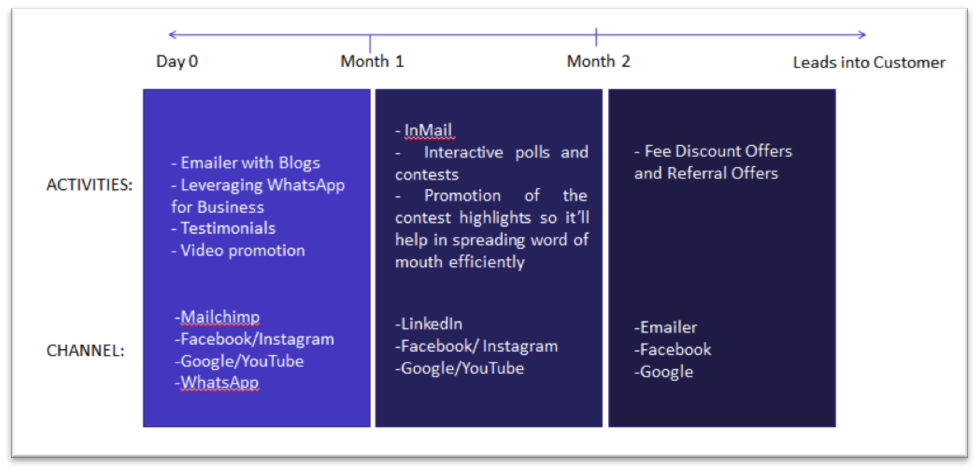
Lead nurturing is a slow and steady process that is guaranteed to boost your business since the leads have already shown interest in your services. The process can be kick-started with an intensive blend of activities over various digital channels for a period of a few months, based on the type of business you run and the nature of the audience you are planning to target.
You can begin by sending out emailers to the leads that explain your services with gripping content in the form of blogs and short reads. They can also be targeted through Whatsapp messages, testimonials and relatable videos on Facebook and Instagram. The following month, you can focus on engaging the leads through interactive contests and polls that will indirectly help in word-of-mouth marketing of your product. These contests can be run on LinkedIn, Facebook, Instagram or even Youtube, depending on the type of audience you are planning to target. The high-quality leads generated from these contests can later be targeted with irresistible offers that are guaranteed to close the deal and convert your leads to valuable consumers.
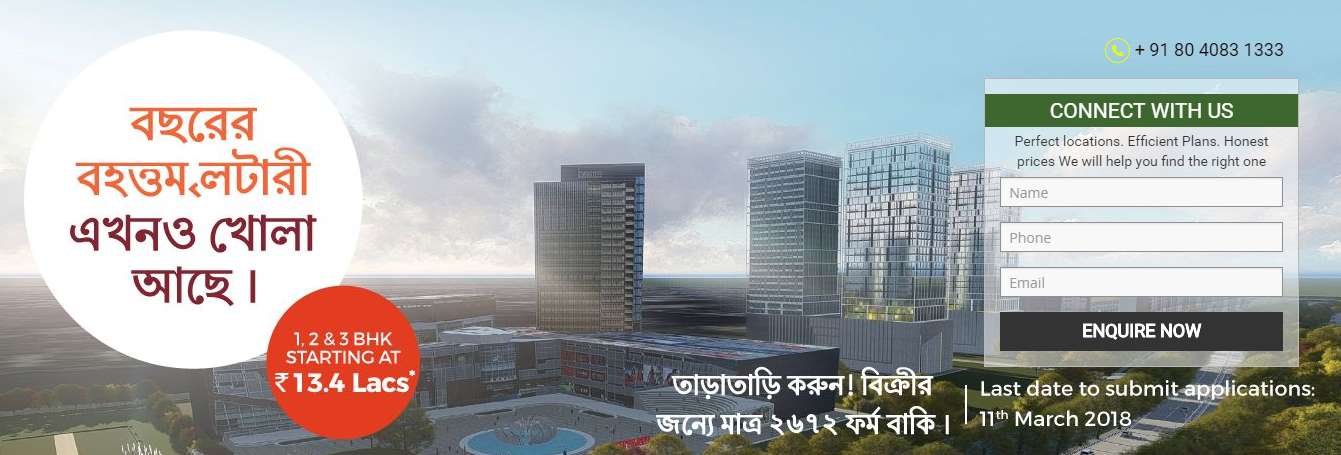
Google and social media ads are a great way to generate leads. However, when it comes to producing high-quality leads, it is best to pack your ad with as much information as possible about the product or service you are trying to sell. For example, if you are a real estate developer running ads on a ready-to-occupy project in an upcoming area, it is a good idea to showcase all the USPs of the development in your ad. From the starting price range and amenities provided to the infrastructure of the location and the number of bedrooms, make sure your ad provides much-needed clarity on the project, so your targeted customers will have no reason to not click on them.
We ran the above Facebook ad for Ceebros – one of the most sought-after real estate developers in the nation. It covers all the information a potential customer would need to show further interest in the project. From the details about the location to the starting price range, it provides top-notch clarity on the project. This will, in turn, result in generating high-quality leads.
There is no doubt that regional content is the future of the online space. With more than 450 million active Internet users in the nation and the steady growth of digital marketing in tier 2 and tier 3 cities of India, advertising your brand in regional languages is the only way you can engage with India’s next billion Internet users. Leveraging the reach of regional content is a good strategy to add to your marketing approach in order to improve the quality of your leads. You can start with a well-optimised landing page which is a sure-shot lead generation technique that works wonders for all brands, whether you cater to the FMCG industry or the finance sector.
In order to make sure you do not lose out on high-quality leads, it is a good idea to take up an end-to-end messaging approach with regional content. Begin by understanding your audience and opting for a survey-oriented strategy to target them accurately with ads in the language they prefer. Right from the messaging in the ad and the content on the landing page to the medium in which telemarketers speak to the leads, make sure the entire cycle is in the same language. Communicating in a language that a prospective lead will be comfortable in provides much more clarity and adds a personal touch to the process.
Additionally, it is a good idea to ensure your landing page is AMP optimised. An Accelerated Mobile Page (AMP) takes much lesser time to load, making it a great tool to grasp the short attention span of a potential consumer. Viewers spend more time understanding the product rather than waiting for the page to load. Moreover, accelerated mobile pages are exclusive to pages viewed on mobile. Considering the fact that a large portion of online users in India access the Internet through mobile, accelerated mobile pages are your best bet to maintain and improve the quality of leads generated via your landing page.
We leveraged the lead generation strategy of landing pages in vernacular content for Shriram – one of the leading real estate giants of the nation. The approach resulted in an increase in overall click volume with a spike in leads. You can also check out our detailed Google case study on how this multilingual approach helped in 90 percent growth of leads for another leading brand.
Attracting high-quality leads and nurturing them into valuable customers is the backbone of digital marketing. Featured below, is an infographic that summarises the above-mentioned points, so you can implement these techniques in your marketing strategy and grow your business.
Increasing the quality of leads is one of the biggest challenges digital marketers face in today’s day and age. It is time you add these simple techniques and tips in your digital marketing strategy to generate hot leads and boost your sales.
For a step-by-step guide on how to create the perfect lead nurturing strategy for your brand, be sure to check out the video below.
After the Cambridge Analytica controversy, Facebook has taken several important steps to tighten their data security. The multi-billion dollar social media platform recently announced a new set of amendments to their data policies. The question that has arisen is whether or not the recent changes in policies will affect brands and their advertising strategies. However, most of the new terms involve reiterating existing ones, which is unlikely to affect brands’ marketing strategies. Here are some of the most important announcements Facebook has made about their revised data policy and the impact it is likely to have on brands.
One of the most significant policy changes Facebook is making is to revoke access to user information for third-party apps that haven’t been used by them in over three months. There will also be a more visible button on the news feed which will allow users to restrict access to certain apps by themselves.
Impact: This change will only improve privacy and safety for users with zero impact on brands and advertising. Since apps that users consistently engage with will not be affected, brands will still have access to their main target audience.
Facebook has reiterated their commitment to protecting user data by tightening their data-sharing policies. They will no longer sell private user information or allow partners to use this information in ways that violate their privacy policy.
Impact: This new policy is a step in the right direction towards better security for users. The improved privacy settings will help users be more confident about actively participating on the platform. For brands, this is a positive change as it means that their consumer base on Facebook will remain largely the same.
Earlier, through a feature called Partner Categories, advertisers on Facebook could target consumers based on very personal insights provided by third-party data agencies. But now after details of these providers exploiting private user data has come out in the open, Facebook is shutting down Partner Categories.
Impact: The Partner Categories feature allowed brands who lacked an existing customer database to find a target audience. While brands can continue using Facebook’s database as well as their own customer data through the Customs Audience tool, the exact impact of this change is yet to be seen.
Users will now be able to decide which ads they want to see appearing on their newsfeed. This is also an important step towards personalisation of a user’s newsfeed.
Impact: This feature has always existed on Facebook, the only difference now is that it will be more prominent. As long as brands are using the right targeting, they will be unaffected by this change as users will be interested in their ads. Brands with inaccurate targeting, however, are very likely to be negatively impacted.
Advertisers who upload their existing database onto the custom audience tool will not be able to see the exact reach of their targeting. This is to prevent advertisers from being able to see exactly how many of their customers are on Facebook.
Impact: While advertisers will not be able to see the exact reach when using the Custom Audience tool, they will still know how many customers were in their database. This will give them a reasonably accurate idea of how big their reach is.
The revised data policies are unlikely to have any significant impact on the way people are using the platform. Currently, India is Facebook’s biggest market with 240 mn monthly active users, overtaking even the US which has 230 mn. Far from decreasing anytime soon, these numbers are only going to grow. By 2020, there will be around 250 million new smartphone users and 100 million new internet users. A significant portion of these users will also start using Facebook.
For brands, Facebook is and will continue to be one of the most effective ways to reach out to their consumers. Despite the new terms and conditions, the number of Facebook users in India has not shown any significant decline, nor is it expected to. With their customers still active on Facebook, brands need to maintain a strong presence on this platform in order to build brand awareness and encourage customer loyalty. Advanced social media analytics tools, can also provide detailed targeting for brands. As the number of users will only continue to grow from here, Facebook remains one of the most important platforms for brands to engage with India’s next billion internet users.
As our Digital Marketing Industry Insights for India 2018 also points out, Facebook is one of the best-performing platforms to help brands meet their business goals. Through Facebook, we have even been able to generate a 190 crore revenue for Casagrand. The recent privacy changes Facebook has implemented is a positive step towards protecting a user’s personal information online. Brands in India are unlikely to face any negative impact over this decision as the number of Facebook users are only going to grow from here.
With the Indian real estate space getting increasingly crowded, it has become a significant challenge for developers to differentiate themselves from their competitors. In order to stand out, real estate developers need to try something unique to gain the upper hand. With the tier II and tier III cities being active on the Internet and most of them using vernacular language to consume content, Casagrand formulated an innovative vernacular ad strategy to engage with India’s next billion internet users. Here’s how Casagrand utilised vernacular content in their ads as one of their key real estate digital marketing strategies to reach this market and achieve an incredible 90 percent increase in leads.
Casagrand Builders is one of the biggest real estate developers in South India, with a large presence in Chennai as well as projects in Bangalore and Coimbatore. They are committed to building aspirations and providing homes that offer families the highest quality and value. Casagrand had two main objectives:
In order to meet these objectives, we formulated a multi-targeted approach which would capture the attention of potential buyers at various stages of the buying process. This would ensure that Casagrand would occupy a high position in the consumer’s mind space and give it an edge over its competitors. To do this, we utilised three main strategies:
According to the Google and KPMG report, the number of regional language speakers online in India will reach 76 million within the next five years. As this audience base grows in size and influence, it’s important that brands start creating multilingual content targeted towards them. Casagrand capitalised on this opportunity and developed a regional language-focused approach in their marketing strategy. We identified the Tamil-speaking consumers as the primary target audience since most of Casagrand’s projects are located in Chennai. Based on this, we began developing vernacular ads in Tamil so we could reach out to these consumers directly. We used vernacular ads extensively for specific projects like Casagrand Uptown. Speaking to this regional audience in the language they were most comfortable with, Casagrand was able to develop a relationship built on trust and comfort with their target audience. This played a pivotal role in helping us generate high-quality leads for Casagrand.
We identified the Google Display Network as the most effective way to reach our target audience to create maximum impact. Google Display Network allows us to find the right target audience and deliver our message contextually. One of the tools we used to maximise reach through custom affinity audiences. Building bucketed Custom Affinity Audiences allowed us to reach out to our specific target audience to ensure the right people were coming across our message. Gmail Ads displayed at the top of a user’s inbox also proved very effective in creating awareness and generating leads.
One of the most important ways digital marketing is transforming the real estate sector, is by creating brand awareness right from the initial stages of the buying process. As one of Casagrand’s primary objectives was to occupy the mind space of potential buyers, maintaining a high impression share across relevant keywords was very important. Through competitive bids on generic keywords (eg. 2 BHK apartments in Chennai), as well a brand-specific keywords, we ensured that users would continuously come across Casagrand’s ads in their search results. This helped increase the number of quality leads generated.
Through this extensive and in-depth approach, we were able to generate an unprecedented increase in the number of leads for Casagrand. Our strategy of utilising vernacular ads helped grow Casagrand’s leads by 90 percent QoQ and also increased the overall click volume by 85 percent QoQ. Vernacular ads were extensively utilised in the Casagrand Uptown project marketing strategy, with 50 percent of total spends being allocated to Indic Display Creatives and targeting. This approach delivered significantly higher leads and a CPL that was 60 percent lower than that of normal display creatives. These results prove that vernacular ads offer massive benefits not just in terms of increasing brand awareness, but also in delivering higher ROI.
As the number of regional language users growing at a faster pace than English language users, they are quickly becoming one of the most important segments for brands to focus on. The phenomenal results Casagrand achieved by implementing a strong vernacular ad strategy is proof that brands cannot afford to ignore India’s regional audience. To learn more about our work with Casagrand, you can also read how we helped Casagrand generate a record 190 crores in revenue via Facebook.
In the wake of the backlash that Facebook has been facing after millions of users personal information was leaked, the company has decided to cut off access to third-party data providers. Ad-targeting based on consumer data provided by third-parties allowed advertisers on Facebook to target consumers based on very personal, deep insights. This was made possible through a feature called Partner Categories, where Facebook partnered with external consumer data providers. Now, however, Facebook has ended this feature after details came out of Cambridge Analytica, also a third-party data provider, exploiting private user information. The company also announced that this was a part of their larger efforts to improve security and integrity of the platform for users.
For advertisers, this move means that they will have to re-think their targeting strategies on Facebook. While they might not be able to rely on consumer insights provided by external agencies, they can continue using the Custom Audience tool on Facebook. The Custom Audience tool will not be affected by Facebook’s new policy because the data used is owned by the advertisers themselves. Facebook also uses third-party data providers for advanced social media analytics and will continue to do so. However, they have announced that they will be reviewing the integrity of these external agencies before going forward.
The company has insisted that removing the Partner Categories feature will not put Facebook at a disadvantage in the competition between its rivals like Google. Instead, they believe that it will prove their commitment to protecting consumer data and placing privacy of their users above all else. With the growing number of Indians joining Facebook, it is very likely that the platform will continue to be one of the most important ways for brands to engage with India’s next billion internet users.
Facebook expects that their new policy will come into effect gradually over the next few months. This gives digital marketers an opportunity to rethink and refine their ad targeting strategies.
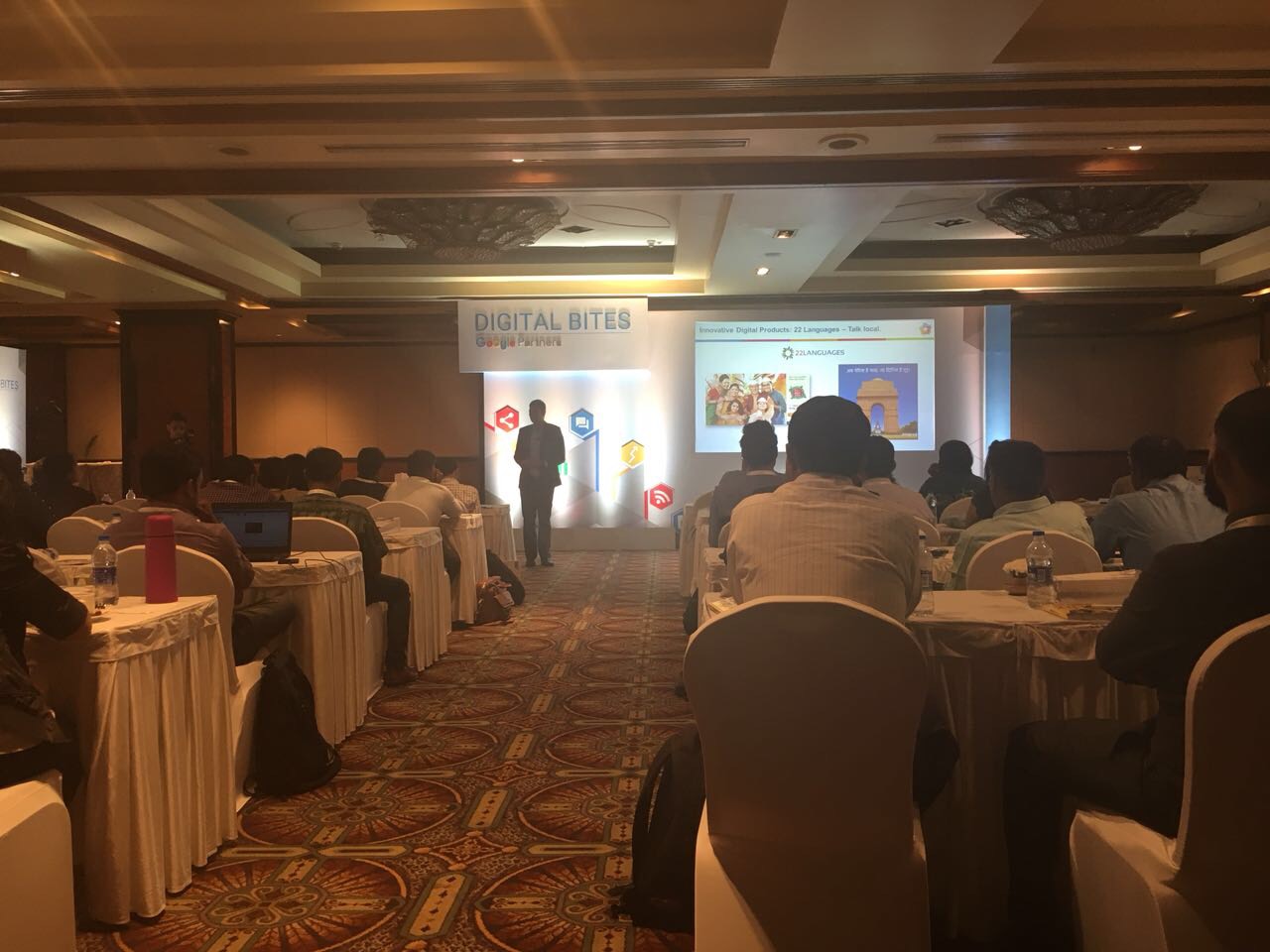
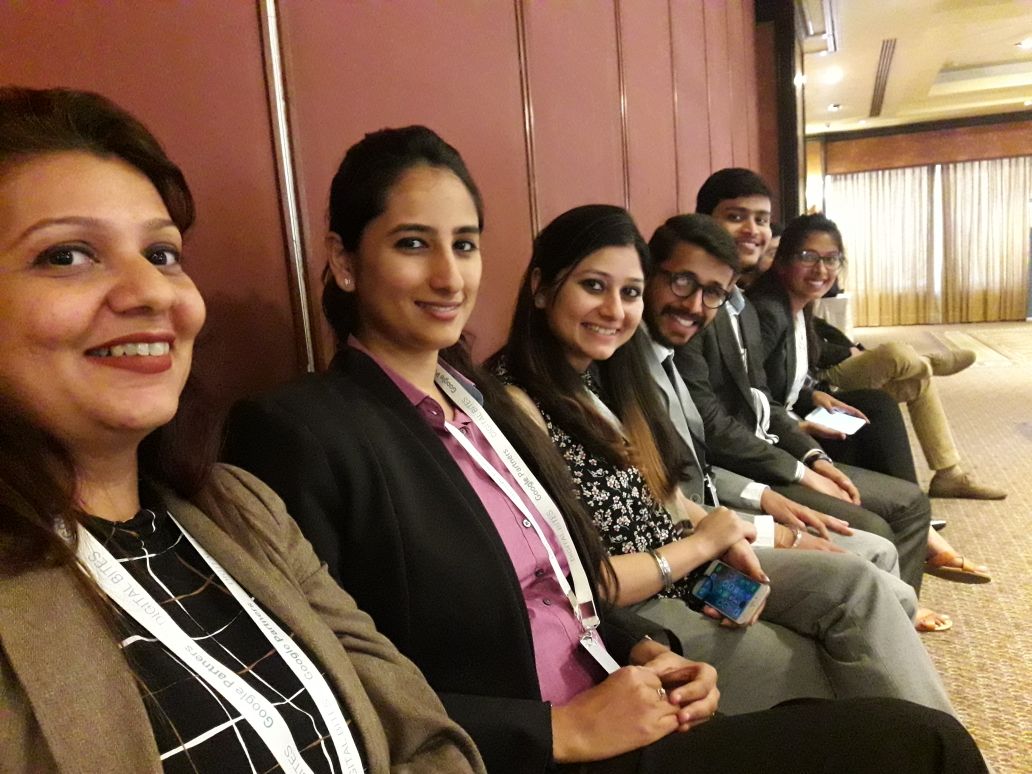
Whether you are an enthusiastic start-up or a well-established organisation, there is no doubt that you are missing out on a pool of potential customers by not tapping the reach of digital marketing. Keeping this notion in mind, Social Beat and Google were proud to collaborate for yet another insightful session of Digital Bites.
The event took place on the 9th of March at Bangalore, with thoughtful insights presented by industry professionals. The session focused on the importance of Video Marketing and how top video sites like Youtube are emerging as an alternative channel to television. It also threw light on the growth of regional content and how brands can leverage the ease of voice search to engage with India’s next billion Internet users. The previous Digital Bites session was held in Chennai during September, 2017.
Make sure you read our blogs on Digital Marketing and Social Media Marketing for deeper insights.
One of the key challenges of digital marketing is the herculean task of understanding your target audience and engaging them with relatable content that will ultimately convert them from a lead to a consumer. Social Beat worked in collaboration with South India’s leading optical retail chain – Specsmakers – and broke the benchmark of retail sales and conversions via digital leads.
We implemented the onion peel strategy to understand the buying behaviour of their audience and used the results in our content and social media campaigns to boost conversions. As part of the strategy, we reached out to the existing and potential customers of Specsmakers and asked them a set of questions to get insights into their consumer behaviour. Based on their replies, we broadly divided the audience into primary and secondary circles and targeted them with content they could relate to.
For example, a majority of their potential and existing consumers drive their own vehicles and are working professionals. So, the social media campaigns that rolled out were related to generic topics like road safety and UV exposure to screens targeting the primary and secondary audience.
This survey-oriented strategy has helped us target their audience better, generate a higher number of leads from the online space and increase the number of average walk-ins to the showroom. The online leads generated enabled an 8% conversions over a span of 4 months. With these promising results, it is safe to say that showcasing content that the target audience finds engaging is one of the best lead generation strategies in the evolving space of digital marketing.
As dramatic as it may sound, generic home pages are dying. Gone are the days when websites welcomed visitors with the same page whether you are a millennial in South East Asia or a retired businessman in Mexico. Just like how old-school drip marketing is being replaced with customised emailers and native apps are getting substituted by new-age progressive web apps, universal home pages are being upgraded to pages that are personalized as per the demographics of the audience, and nothing in the online space is the same anymore!
Ever since we hopped on to the bandwagon of the Internet, digital marketing has taken over the world of branding and advertising. The ease in which you can showcase your company and literarily reach out to the palms of viewers across the world is unfathomable. Keeping this strategy in mind, why would you want to show the same webpage to all your visitors when each one of them has different needs and expectations from your brand? Let’s take a look at the benefits of personalising your homepage and the different ways in which you can wow your website traffic till you ultimately convert them into loyal consumers.
A tailor-made home page will help in generating premium leads as the page will display what you specifically have to offer for each visitor. Attracting potential clients by showcasing types of content they will find engaging is the basis of digital marketing and personalised web pages do exactly that.
Through customised home pages, brands can welcome their online visitors with a personalised message. This triggers a unique user experience as you add a personal element to your page, assuring viewers that you have already hand-picked your services as per their preferences and requirements.
Personalised homepages also add value to your marketing strategy by widening your global reach. Since you can personalise pages based on the location, you can now easily target consumers with what is trending in that particular locality. This makes the content on the homepage more relatable for the visitor and adds to the possibility of them converting to your brand.
Apart from showcasing the brand and attracting target groups, websites also provide business owners with a plethora of other useful information to understand online traffic. From the location of the viewers and the time of peak traffic to the type of content most-consumed on the website, marketers can observe the patterns of activity and use this to their advantage. Let’s understand this concept better with a hypothetical situation. Consider yourself to be the owner of a B2B organisation which provides end-to-end HR services. A potential client has recently visited your website through a Facebook carousel ad and spent seven minutes going through your HR packages. The next time the individual visits your website, they will either have to manually search for the packages they were interested in or bounce back with a last minute change of mind. However, through a personalised homepage, the visitor will be welcomed with a customised message. This message will showcase the services and packages they had clicked through with an effective CTA to either buy the package or know more about it. The unique user experience will draw the user into your website and boost the lead generation of your B2B organisation.
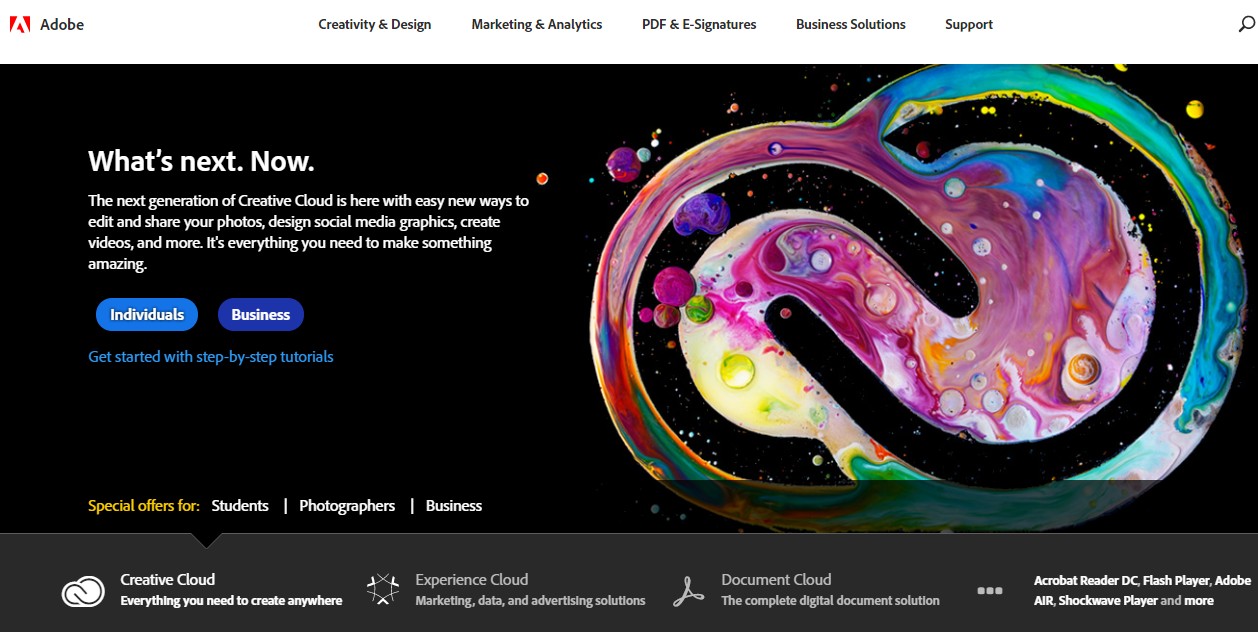
Adobe India is one of the first Indian websites who has upgraded their website with a personalised homepage. Visitors around the world are initially welcomed with a homepage that displays a blurb on their next-gen Creative Cloud segment. There are two CTAs – one for individuals who are interested in the concept and the other one for businesses.
In order to explore the effectiveness of the personalised homepage, we clicked on the “Creativity and Design” tab and ventured into the field of photography by scrolling through the Creative Cloud Photography plan. After spending a good ten minutes on the website and surfing through the various plans available for individuals, businesses, students and universities, we clicked on the Adobe icon in the top left corner to go back to the homepage.
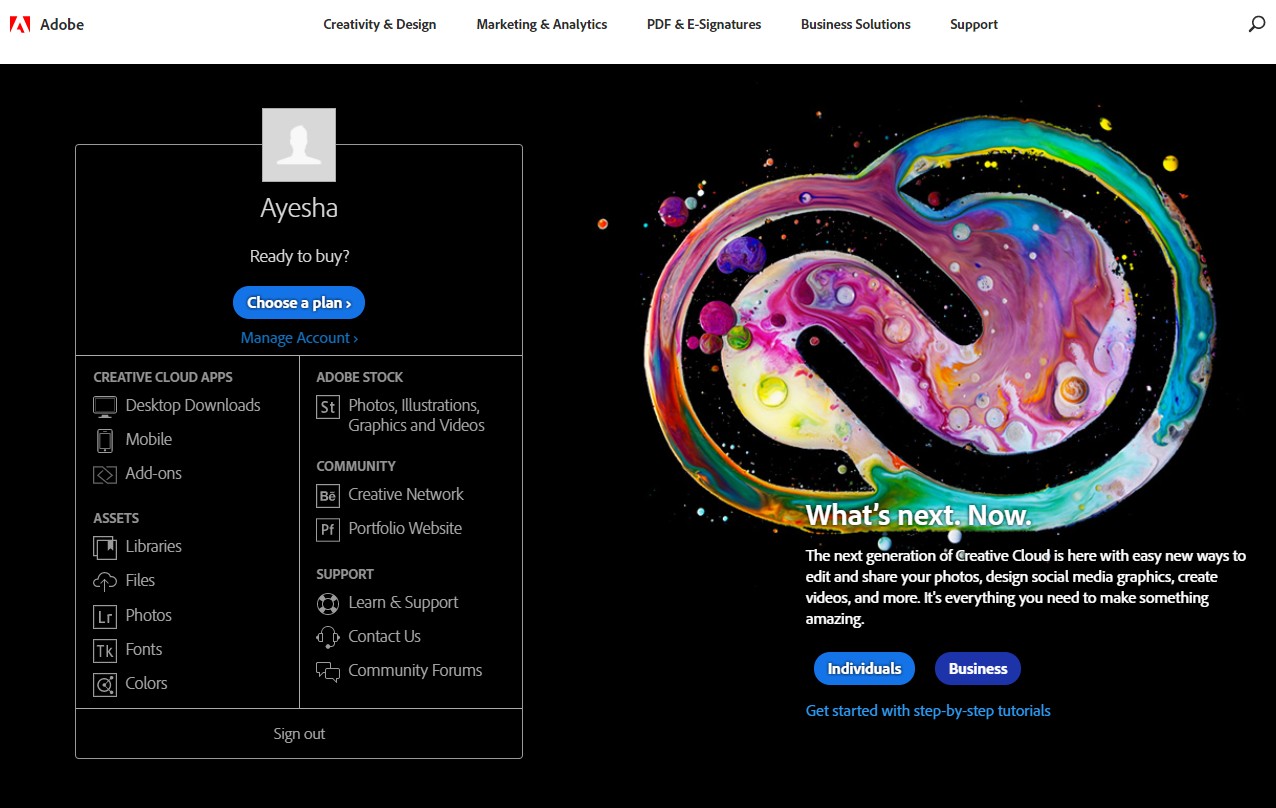
If the Adobe website had a generic homepage, one would expect the same page to show up as discussed above. However, since the website has a personalised home page, we were welcomed with a customised page which helped us continue from where we left. In this case, since we had browsed through the various Creative Cloud Photography plans earlier, we were welcomed with the blurb “Ready to buy?” followed by a CTA which helps us with choosing a plan as per our preferences.
As you can see in the above image, the blurb about the Creative Cloud is still present, but you also have a personalised message on the plans you were interested in earlier.
Personalised home pages work as an excellent marketing strategy for B2C companies and social media platforms as well. In a quest to provide consumers with what they are searching for, personalised home pages read the IP address of the visitors and categorise them as per the location. The visitors are then welcomed with topics and concepts that are trending in their locality or that are the most searched for in the region.
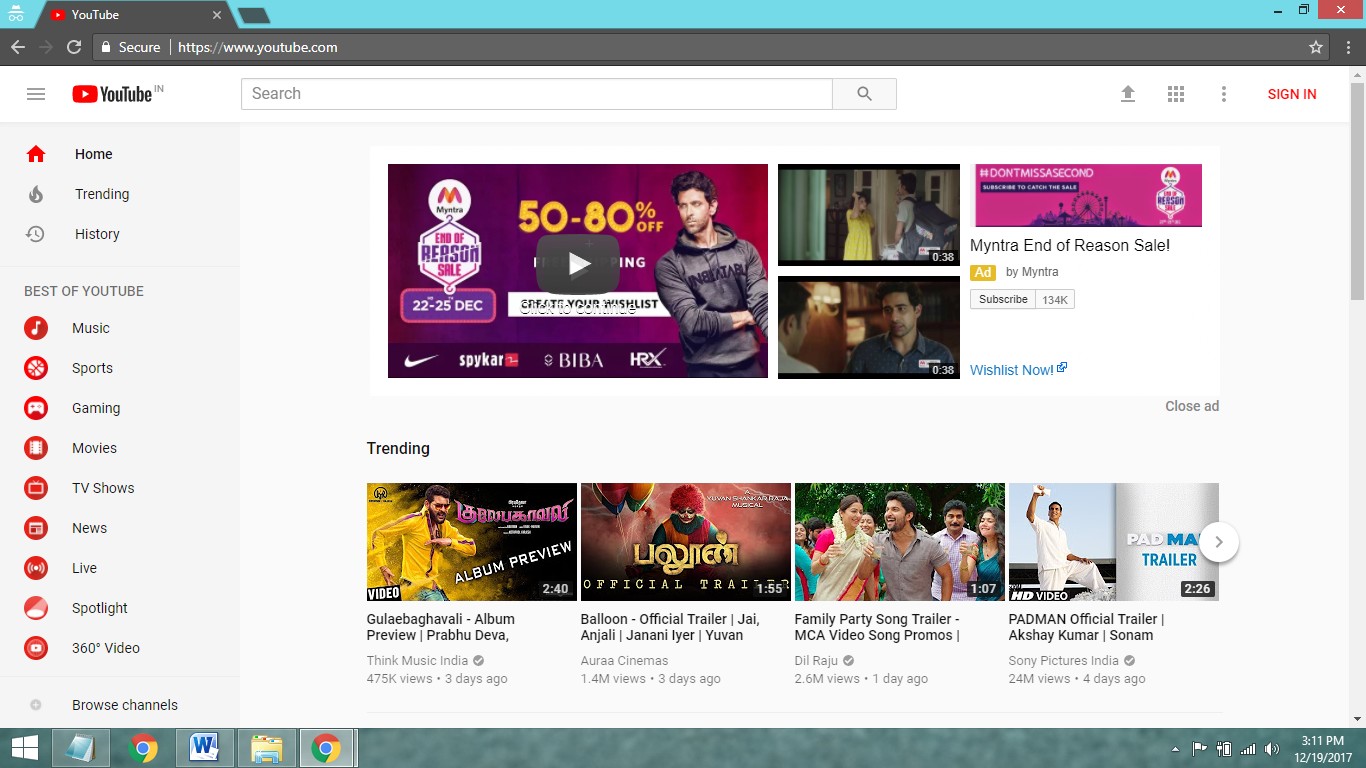
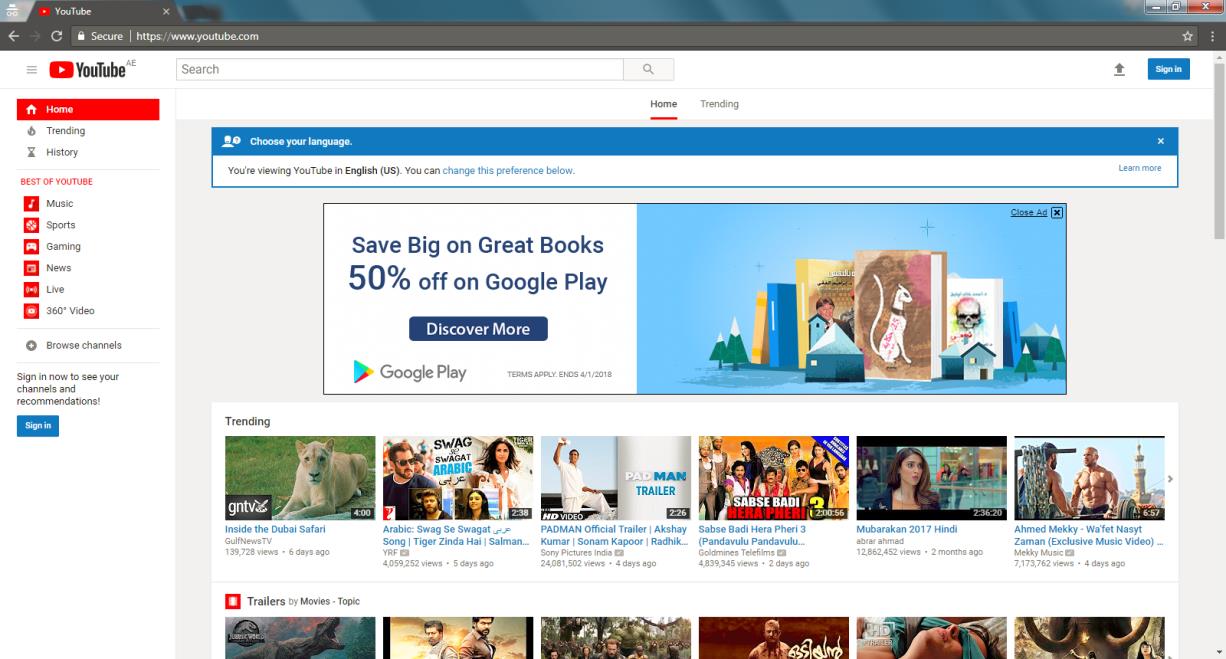
Let’s take the example of Youtube to understand this theory better. Youtube has personalised their homepage as per the location of the visitors and showcases all the trending videos in the region.
As you can see in the image above, Youtube viewers in India are welcomed with a series of trending videos that include snippets from the regional entertainment industry. The ads on the page are also targeted to the audience based on the location of the guest.
The image above is the same homepage viewed from Dubai. As you can notice, the URL entered is the same, but the content on the page is different. In this homepage, the trending videos are based on the popular activities of the region. They also include videos in Arabic – the regional language of Dubai. Additionally, the advertisements on YouTube are entirely different from the ones displayed on the homepage when viewed from India.
Big names in the digital space like Adobe and Youtube are already leveraging the benefits offered by the adaptive nature of personalised homepages. But, what about small-scale businesses and start-ups? The best part about this new-age concept is that you can personalise your homepage one step at a time. It is not a go-big-or-go-home kind of situation.
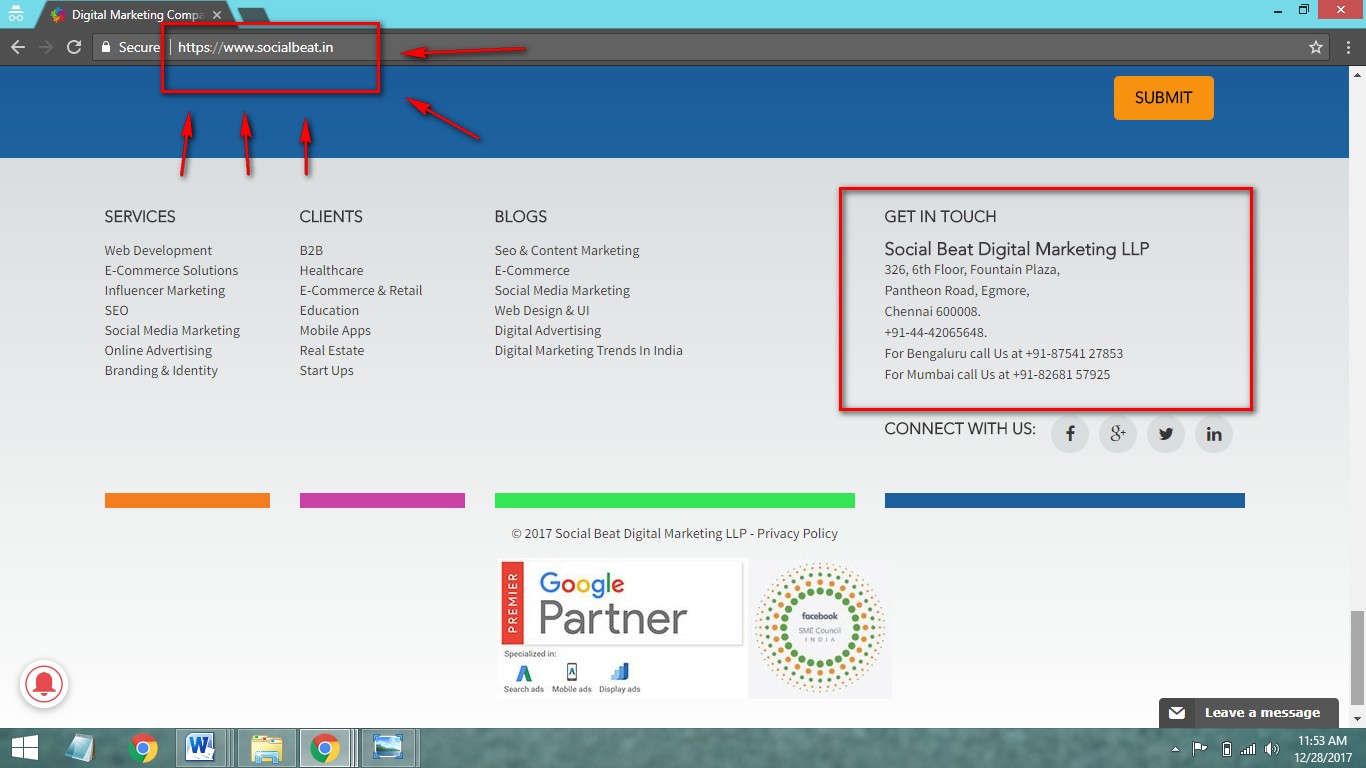
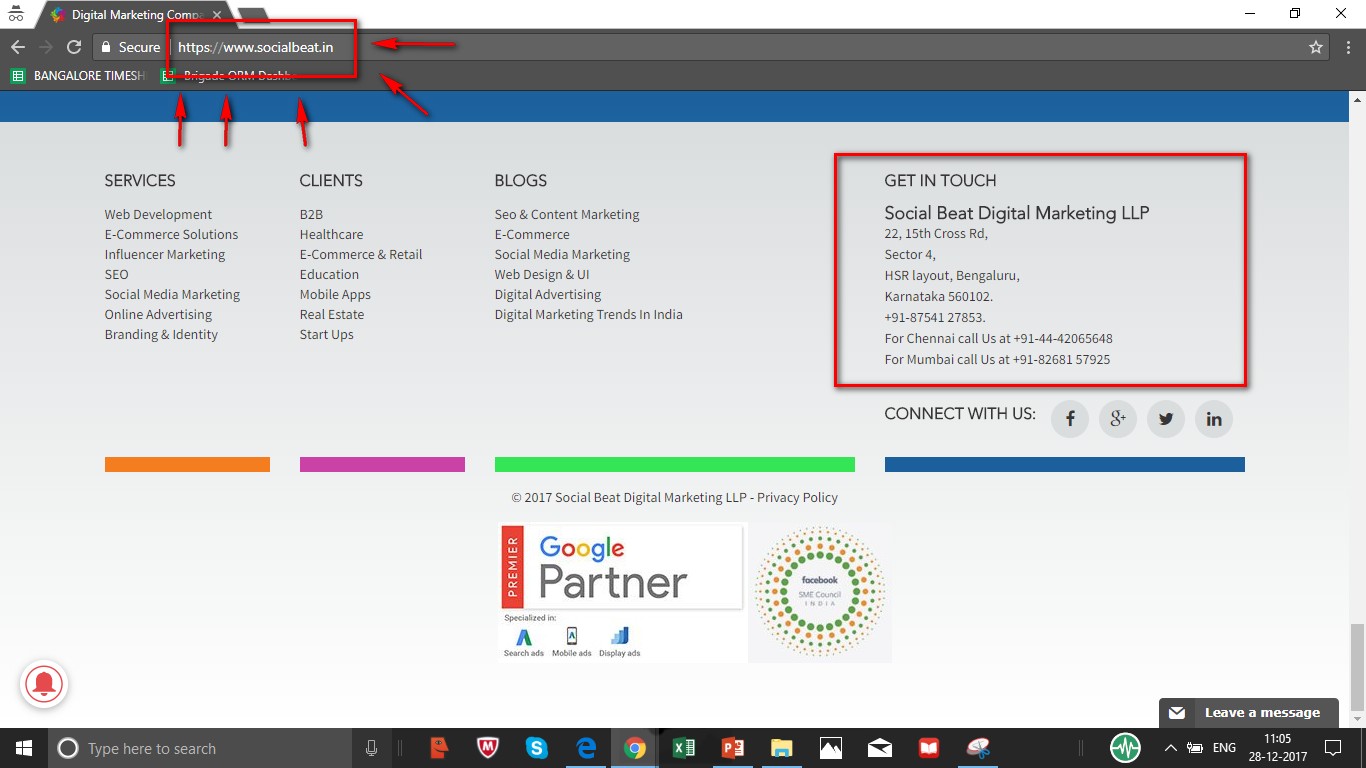
For example, we, at Social Beat, recently explored the idea of personalised home pages by customising our website as per location. With our headquarters in Chennai and regional offices at Mumbai and Bangalore, we decided to start by customising the address in the “Get in touch” tab as per the location the visitor is at.
As seen above, if you visit our homepage from Chennai, the “Get in touch” tab in the footer will display our Chennai address.
The same homepage displays the Bangalore address when you log in from Bangalore.
There are a wide range of tools available out there to personalise your homepage based on a multitude of integrations like Google Analytics, Hubspot and Wordpress. Let’s take a look at a few of them.
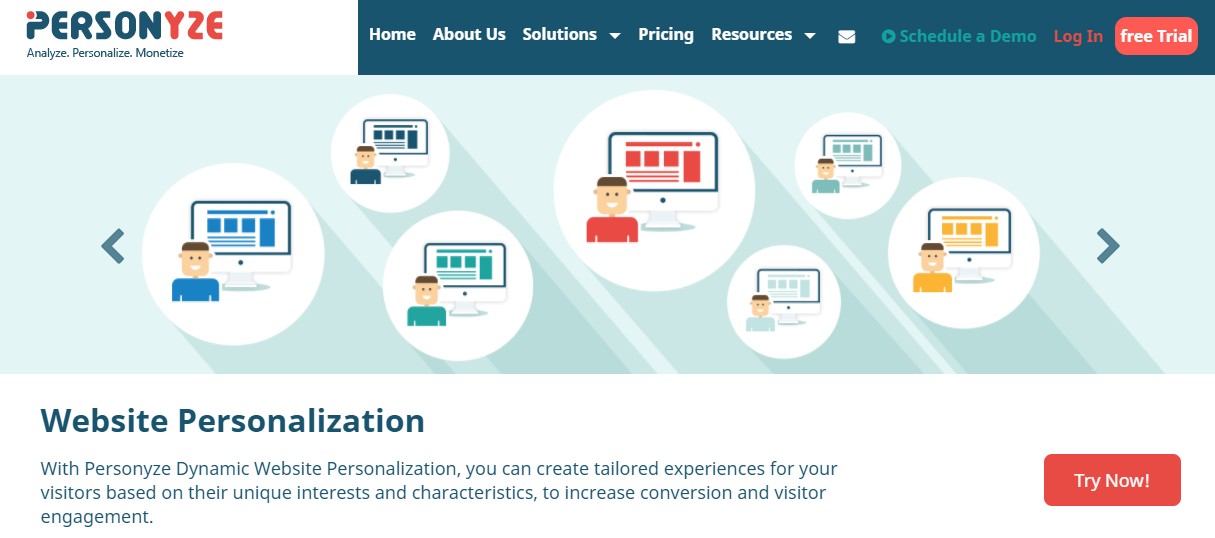
With this tool, your homepage will be personalised based on a variety of factors such as geographic location, data from their social media profile and CRM information, to name a few. You can also opt for a free trial or schedule a demo as per your preferences.
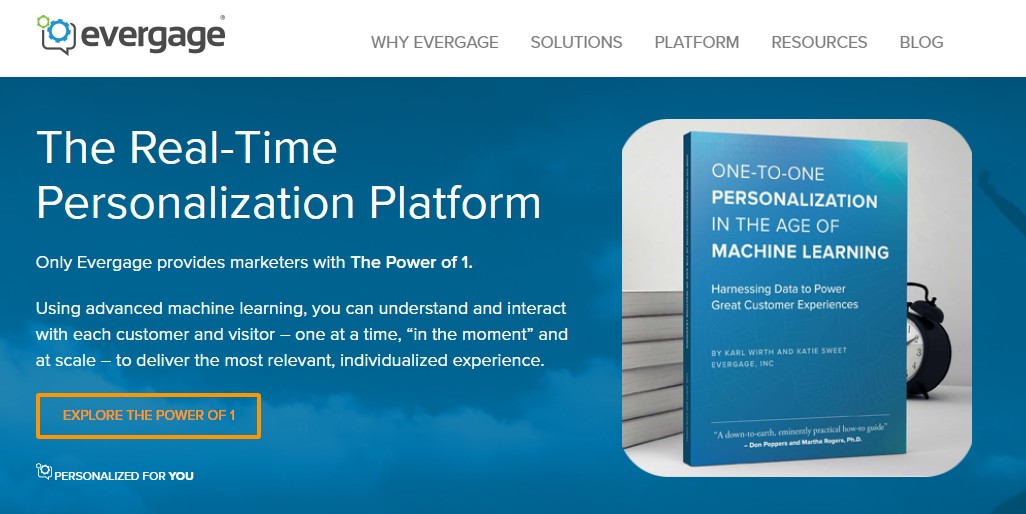
Evergage focuses on enhancing visitor engagement by providing them with a tailor-made user experience. Visitors are welcomed with more relevant offers and appropriate content which is guaranteed to help in lead conversions and customer success stories.
Apart from these tools, you can also check out Bound, Convert and Optimizely that are brilliant in examining your traffic and providing visitors with unmatched customer experience.
Now that you have a better idea about personalised homepages and the vital role they play in visitor engagement and lead generation, its time you upgrade your company’s website with this ground-breaking technology and stay ahead in the ever-lasting race of digital marketing.
Contact us at Social Beat and leverage the multitude of benefits a personalised homepage can bring to your business.