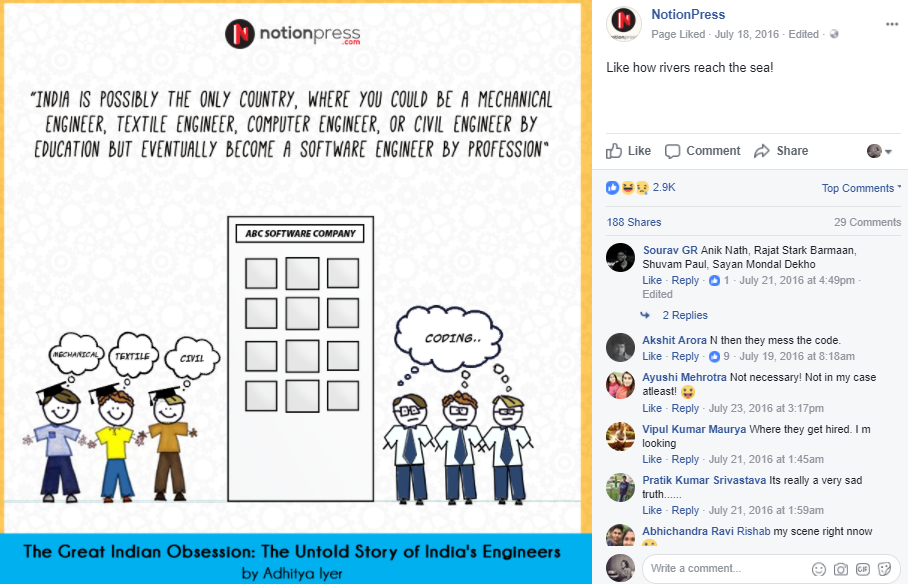
Social Beat is proud to be featured in the Social Samosa Yearbook 2017 for our spectacular campaign executed for our client, Notion Press. Our featured campaign is listed under the Media and Entertainment category. The objective of the campaign was to create a buzz about the launch of the book, The Great Indian Obsession by Adhitya Iyer. The book is an interesting read on how Indians are obsessed with Engineering with a twist of humour. The campaign too, was a reflection of the book, with a funny hand-drawn cartoon sketch. Titled as Bizzare Engineering Facts, it took a light-hearted approach in showcasing quotes from the book, throwing light on hypocrisy in education. The campaign was exclusively posted on Facebook and Twitter and clocked a reach of half a million, with 21k likes and 986 shares. Its relatable context made it an instant hit amongst the target audience and eventually landed us with a feature in the much-awaited Yearbook of Social Media Campaigns 2017.
The updated 2017 version of the book is packed from cover to cover with over 60 eye-catching social media campaigns which are guaranteed to inspire you. These campaigns have created a stir in the digital space and are the best performing campaigns of the year.
Apart from mind-blowing campaigns, the yearbook also features a foreword by Kunal Jeswani – CEO, Ogilvy India – and expert insights from social media biggies like Umang Bedi , Managing Director, Facebook India and South Asia, Taranjeet Singh, Country Director, Twitter India and Rajesh Ghatge, CEO, Indigo Consulting. Grab your copy today for an awe-inspiring read.
Chatbots are taking the world by storm as a unique, personal way to reach out to potential customers. With many messaging apps developing platforms for chatbots, an increasing number of people today are interacting with them in some form or the other. Advances in Artificial Intelligence (AI) technology has led to chatbots that sound human, have a sense of humour and can keep users engaged in a conversation. So what does all of this mean for brands? Chatbots allow brands to interact with their customers directly, obtain useful information from them and even guide them towards making a purchase. In short, brands today cannot afford to ignore the chatbot invasion taking place. Here are five ways you can harness the potential of chatbots to maximise the effectiveness of your digital efforts.
Visitors to your site are impatient. They want information and answers to their questions quickly or they will leave. Every brand wants to answer potential customer’s queries and increase their engagement on the website. However, not every company has the resources to employ a full-time customer service team to do this. Chatbots can swoop in as a low-cost effective solution to answer questions and keep customers informed. Giving your chatbots a name and profile picture are great ways to make the interaction more human and pique the interest of potential customers. But brands aren’t the only ones benefiting from chatbots. A recent survey found that most customers also prefer asking questions over chat instead of over an email or phone calls
Chatbots are shaping up to be one of the defining trends for real estate in 2017. Social Beat has developed a chatbot for Casagrand to personally welcome each visitor to the website and help them navigate the website easier. The chatbot helps make the website more interactive so each visitor can get quick answers to their queries.
If you are looking to set up the live chats for your website, read our blog on the top 10 live chat software for your website.
One of the most exciting avenues for chatbots to exhibit their true potential is within the realm of sales. More people today are shopping online than they ever were before. As a brand, your website will have more than a few products and you do want your customers to go through them all and make more purchases. So how do you make them see all the products, especially since people might get tired of finding exactly what they are looking for or something they might like? Chatbots come in very useful in this scenario. They can act as a personal shopping assistant. Through a series of personalized questions, the chatbots understand what a customer is looking for, what their taste preferences are and based on this information, it offers a curated selection of products for them to choose from. Customers are willing to talk to these chatbots because they sound friendly and most importantly, ‘human’.
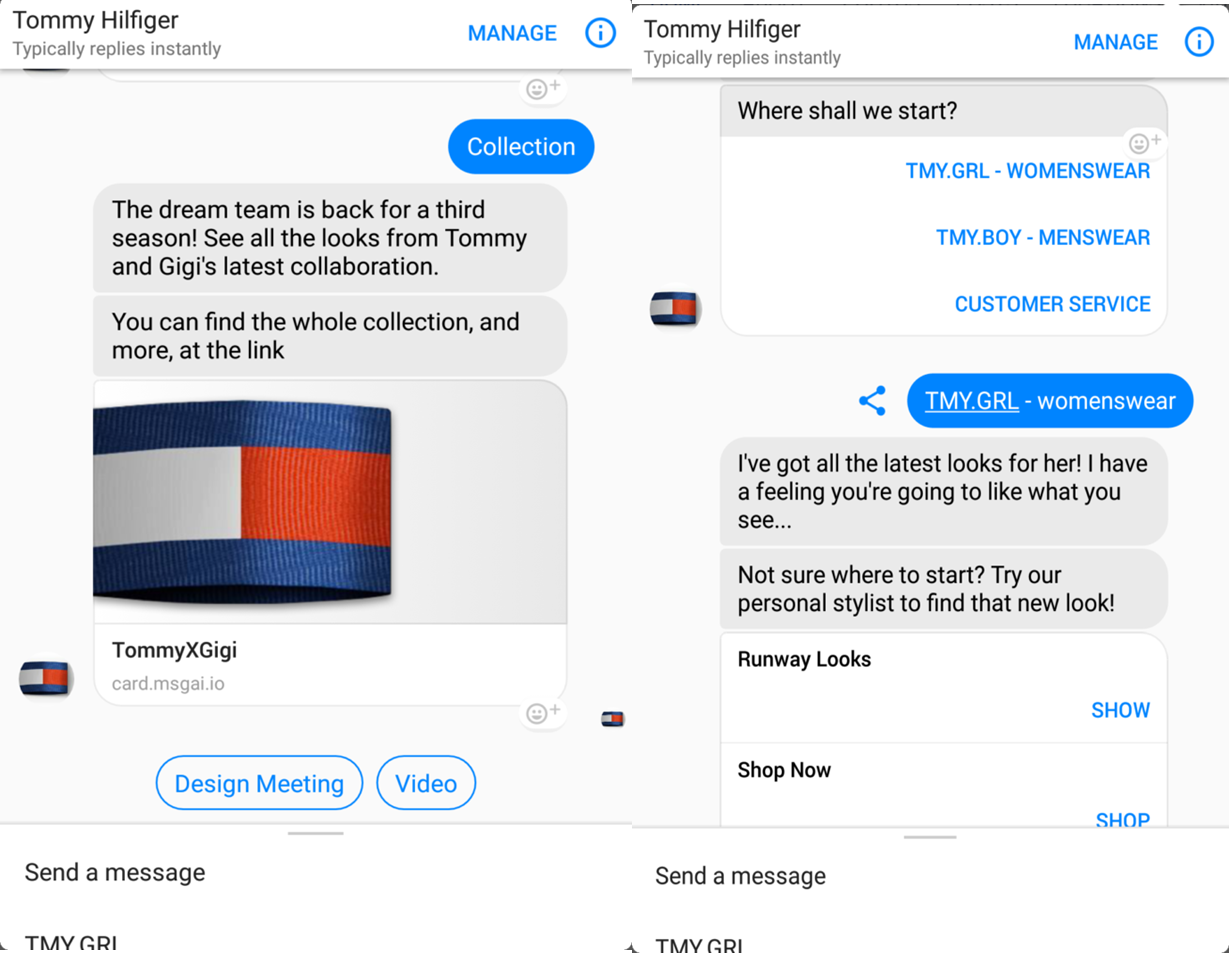
In 2016, when Tommy Hilfiger introduced their new collection, they also did something revolutionary; they introduced chatbots for the first time. The bot welcomed users and asked them questions about their favourite prints, the occasion they were shopping for and so on. Based on their responses, the chatbot displayed pieces from their collection that matched the customer’s preferences. If users liked the outfits, the chatbot would direct them to the website where they could actually shop the look. In this way, Tommy Hilfiger was able to guide their customers’ right from the exploration to the purchasing step.
Every brand wants to know exactly what type of content their target audience will find engaging. Most times, brands get this information by asking their customers to fill out surveys. Unfortunately, most consumers aren’t willing to go through the tedious process of filling out a long questionnaire. Chatbots are a simpler way of getting to know your customers better in a more interactive manner. Customers are also more willing to give away personal information when they know they are talking to a bot and not an actual human. Chatbots have the ability to store information that the customer provides, keep a track of their purchasing patterns and even understand any difficulties they’re facing with their shopping experience. This helps you optimize your products better to cater to their specific needs.
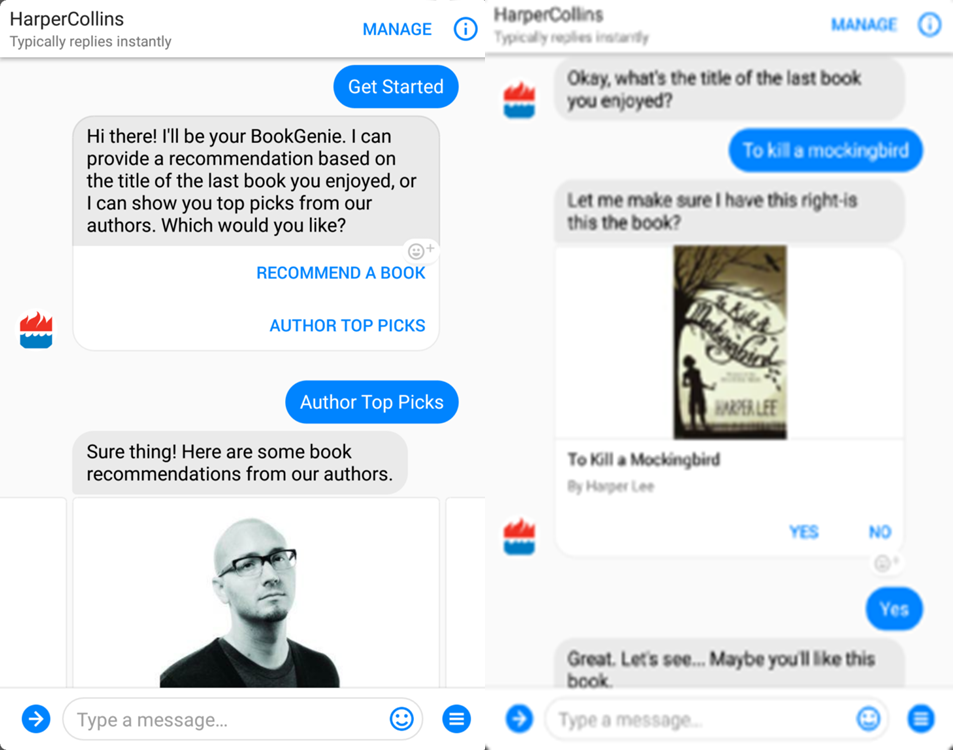
Harper Collins launched a chatbot that would interact with users and suggest books for them based on their preferences. Keeping track of their customer’s tastes also helped Harper Collins understand what genres to keep well stocked and what kinds of books their customers are reading.
A good chatbot can make a customer stay on your website and keep them entertained for a long time. The one characteristic that sets chatbots apart from other forms of marketing is that they are dynamic. Chatbots adapt according to the person they’re talking to and can keep customers engaged in fun conversations. They can also increase the number of site visits by providing your customers with relevant links and information about your products and services.
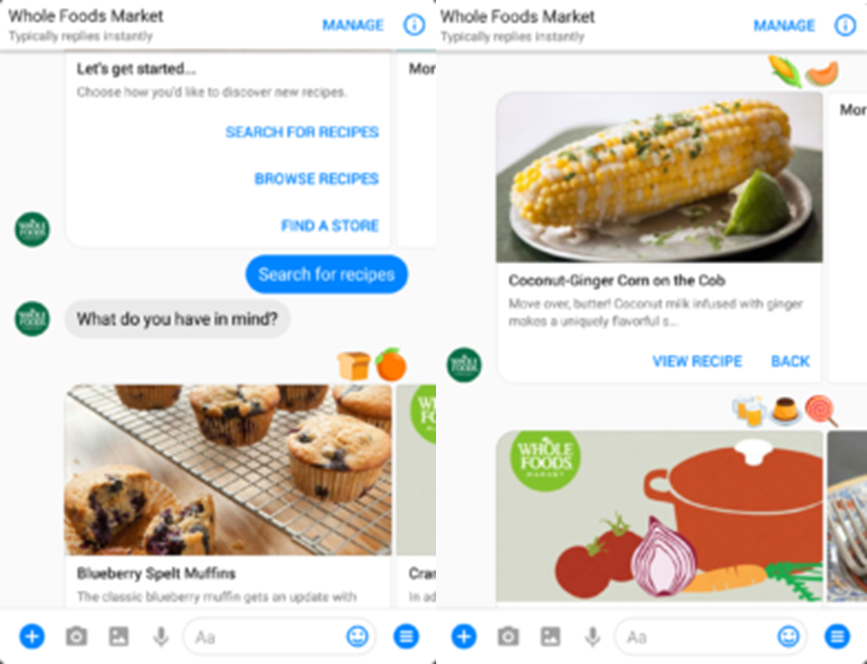
Whole Foods created a chatbot that would entertain customers and ultimately lead to more store visits. Customers could send a random selection of food emojis to the chatbot and it would come up with a recipe that utilized all of the emojis they had selected. Whole Foods would then ask their customers if they wanted to make the recipe and would direct them to their nearest Whole Foods outlet to buy the ingredients they needed. Users spent a long time on the chatbot purely because they found it a lot of fun. This left a long-lasting impression upon them and increased their overall engagement with the Whole Foods website.
Nine out of ten customers reported that personalization played a huge role when they decided to buy something. Today, digital marketing has been able to reach out to more people than ever before. However, customers aren’t likely to be attracted to your brand unless they feel that you are speaking to them directly. When you are talking to thousands of customers as a whole, how do you ensure that each of them feels like your marketing strategy is directed specifically at them? Chatbots can go a long way in helping you achieve this. When a registered user opens your site, chatbots welcome them by name, in a very friendly manner. Even though users know they’re not real people, the human tone most chatbots have can still make the experience feel a lot more personal. Chatbots can also keep a track of each customer’s previous search history and purchases, which help them, offer product suggestions that are tailor-made for each user.
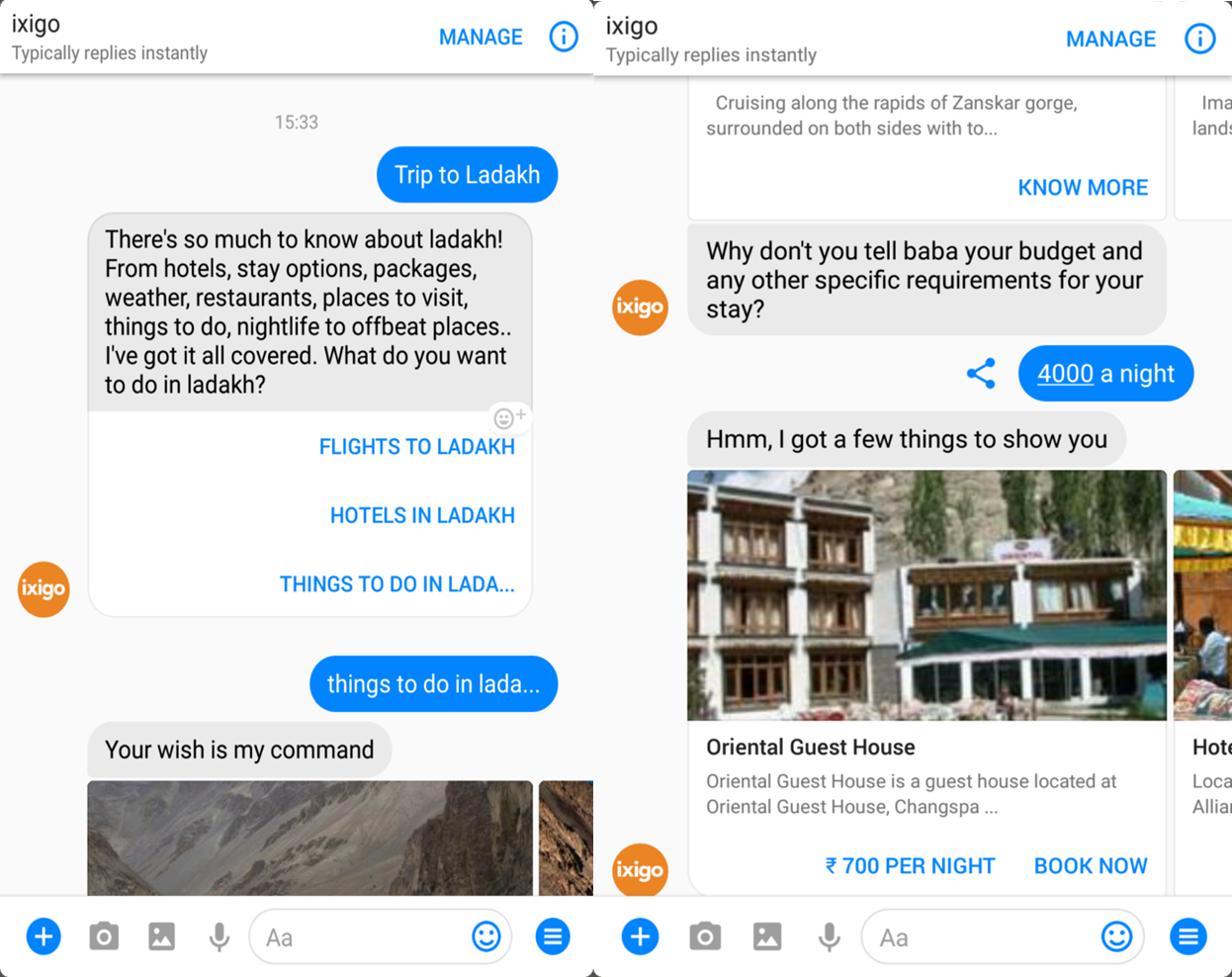
Ixibaba is a chatbot developed by the travel website Ixigo to act as a personal travel agent to their customers. Ixibaba answers all of their queries, help them find flights, book hotels and discover restaurants near where they are staying. Ixibaba can also keep track of all the places customers have travelled to, helping it customize suggestions for each user.
Chatbots are quickly emerging as one of the top digital marketing trends of 2017. Which one of these are you going to try for your brand? Let us know by leaving a comment.
For every real estate developer, selling their property is the only focus. From offline to online advertising, brands are willing to try anything to generate leads and reach out to the potential buyers. In our experience, for most real estate developers, the digital medium works extremely well. We have seen that for some developers, over 1/3rd of their sales come from the digital medium.
Most developers, until recently have been using the offline medium for marketing. Developing from a large offline presence to online lead generation has its implications. Most real estate Developers do not know where to start the digital journey. Transitioning from generating sales via the traditional methods of cold calling to intensive integrated marketing campaigns, The Biggest Challenge Real Estate Developers’ Face in Mumbai is determining what Digital Business Strategy guarantees a boost in high ROI?
Another key challenge faced by many property developers is the fact that amid the fast-paced digital shift, how does one choose the right digital channels or Online Advertising Strategy to drive toward the best quality lead that contributes to increasing their sales?
The real estate industry is forming a shift in the space and like every other competitor most real estate players do not clearly define the boundaries of what makes a good marketing strategy.
In digital marketing, Real Estate in Digital Marketing terms means lead generation and this means implementing The Latest Digital Marketing Trends to capture that valuable lead that matters to your business. Effectively understanding which platform works to drive those very valuable leads is a strategic process which requires deep in-depth knowledge of gaining higher conversion rates that in turn Add Higher ROI to Your Business. This can vary right from understanding the campaigns to the various targeting options to driving the right audiences through a filtered lens to quantify which lead will ultimately have a higher impact to convertibility.
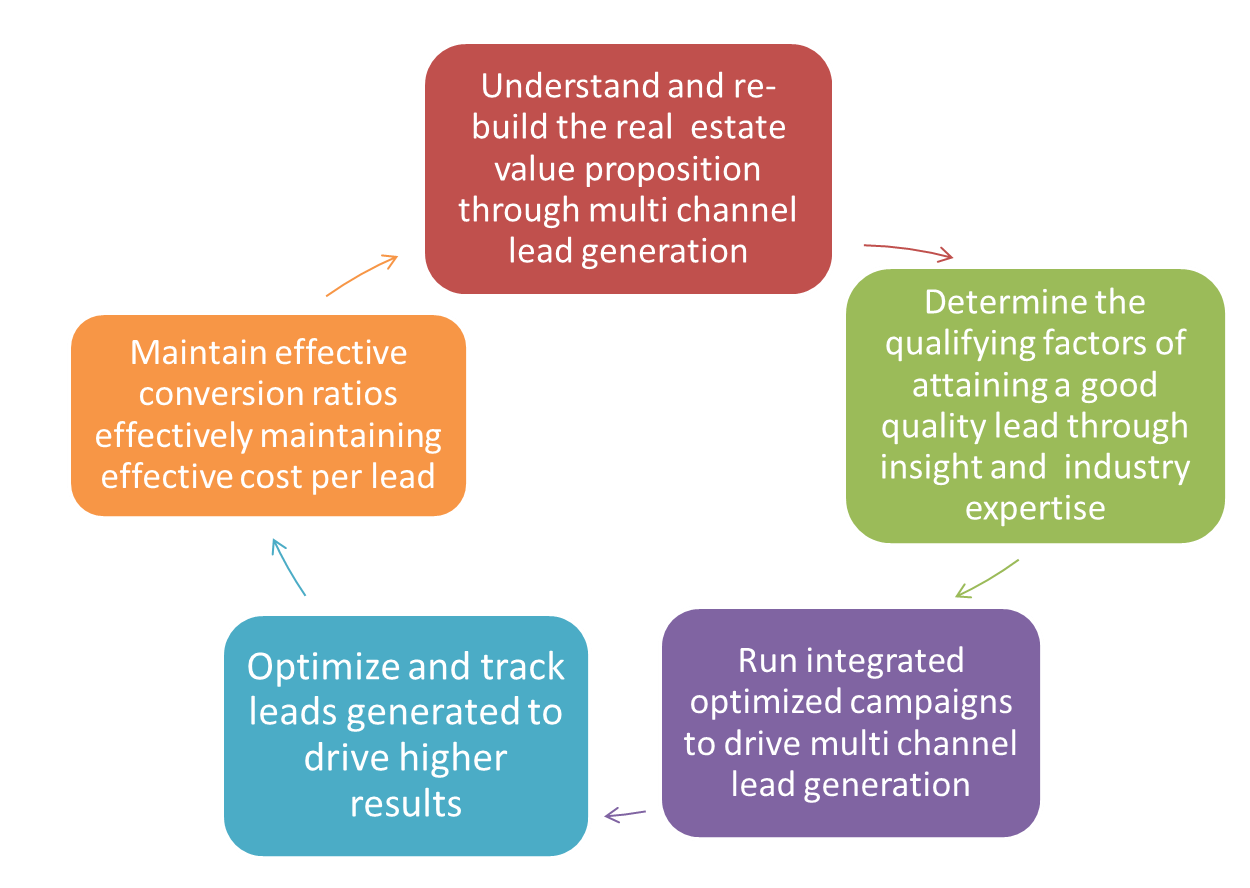
This is exactly what we do for our real estate clients:
The Results
What did we do that was different?
Yes, you heard that right! In real estate, having an effective landing page is the key that opens the door to a variety of potential leads.
Having a static landing page that captures the basic information like name, number and Email isn’t enough. Driving the leads to a call to action ensures that you grab their attention and ensure that the purpose of running all your ad campaigns is put to maximum use by getting them onto your landing page.
The landing page has to be highly optimized to ensure:
After all, optimizing the landing page is the only way to determine how those higher but better quality leads are driven!
What’s new?
Lighter Landing Pages
Less is indeed more! Having key information yet with a minimalistic approach works better. This version of landing pages downloads faster doesn’t have too many distractions and is to the point. In short, if you are trying to weave a story about your real estate project, then this landing page version is the moral of the story and that’s it!
With the rising growth of hundreds of various ad platforms, the digital marketing mix becomes even more complex with what metrics actually matter and how the importance of Tracking Your Advertising Campaign can drastically make or break the deal!
Tracking everything is an entire process which not only requires the metric objectives but becomes a game changer when you align those very metrics with the objectives of the brand strategy through the campaign.
So, one arises to the rock bottom question? What ads drive better conversions?
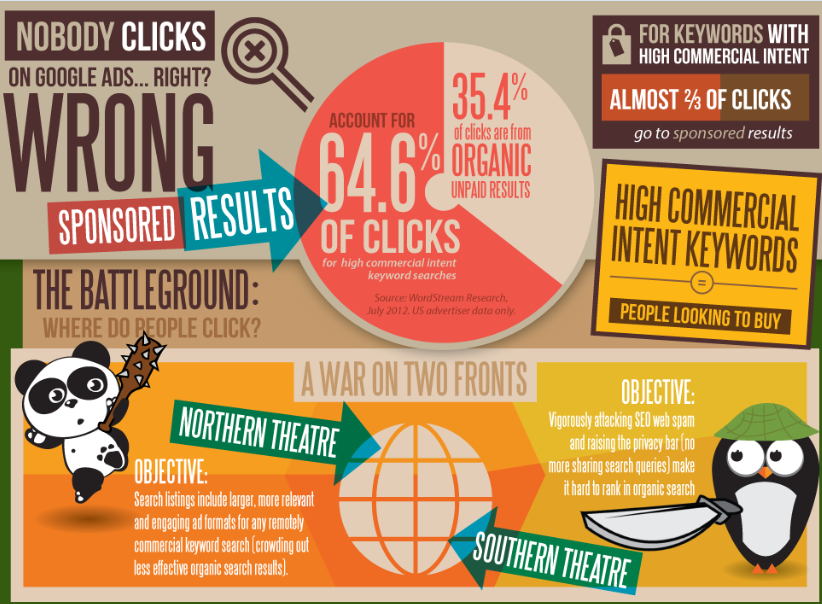
The infographic below summarizes every aspect of what one can expect from paid advertising including the pros and the cons:
What’s new?
Vernacular Ads
If the probability is that everyone is Clicking on the Ads, why not make the content appeal in all languages that reaches a wider mass market to catch the attention on a native level. According to research, regional content does better online than English.
Using vernacular content in your advertising strategy makes perfect sense to target a broader Pan- India audience, especially those in tier II and tier III cities.
The key takeaway is to resonate with the local market with a message or call-to-action that urges them to your landing page (which can be curated to the local language as well) to drive them from consideration to conversion!
The Philosophy of Lead Generation
Yes, everyone is doing many things across the known platforms such as Facebook, Google, Yahoo and Columbia but what next?
Investing in other unknown territories and trying out various tools only help drive conversions up to a certain point.
Instead of looking outward, why not focus on driving the main tool (The Landing Page) into a multi-channelled function that serves many purposes with a multi-project landing page!
It’s simple, cost-effective and solves the problem of repetition and monotony across landing pages.
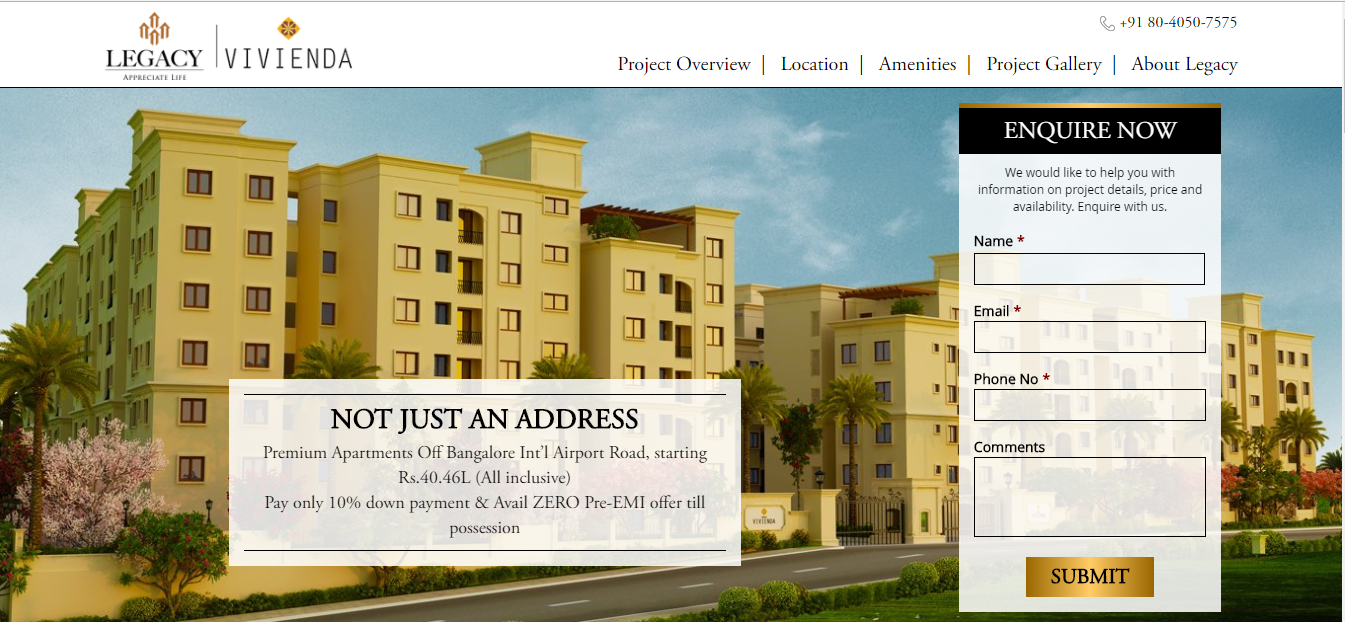
(Sample Multi project Landing Page)
Having emerged from a generating leads for a stand-alone project to delivering results across multiple projects both on the domestic market and international market, we have successfully driven hundreds of sales spending vast amounts of money to churn around 10 times the growth revenue than any other digital agency can deliver attributing to only 1% of the sale value, the cost per leads has been crucially optimized to deliver better results than ever before!
Our approach to driving an Integrated Lead Generation Strategy is to constantly re-evaluate the ‘go-to-market’ strategy rebuilding the value proposition each time.
If you are looking for the best strategies for digital marketing, read our blog on the complete guide for digital marketing for real estate.
Gone are the days when people used Instagram merely because Facebook was too mainstream for them. Over the past few years, this delectable app has received ascending global momentum and is certainly here to stay! Instagram is a mobile-based app which focuses on capturing and sharing visual posts and is a huge hit amongst youngsters. In India, it is mostly used by people below the age of 35 and is a powerful platform to promote the marketing and sales of businesses of all sizes.
During 2015, the platform was opened for business and, since then, there has been no looking back! Read on to get a closer insight into the top 15 tools which will come in handy to promote your business on Instagram.
This amazing tool helps you find the right following for your business. It provides you with a filtered set of audiences who are most likely to be interested in your business which, in turn, leads to effective targeting. Additionally, it assists you in identifying the most inactive followers, who can later be unfollowed. You can also find followers who follow accounts similar to yours and the list of people who have unfollowed you.
Schedugram helps you with scheduling your posts. It queues your posts according to the timeline opted by you and eradicates the need to log in and out every time you want to post something. Furthermore, it has the added key features of managing multiple accounts, content creation and canva integration.
Social Insight provides you with an extensive analysis of your posts, focusing on reach and account engagement. You can retrieve useful information like your most liked post, average engagement rate and the increase or decrease in the number of followers. It also gives you a detailed insight into understanding your customers. Additional features include geographical hash tag specific alerts and personalised notification preferences.
This handy tool refines your list of followers by classifying them into brand advocates and influencers. Social Rank even helps you create a custom classification to segregate your followers and export the desired profiles to Twitter. Besides this, you can also filter your followers with specific demographic keywords. It gives a complete statistical breakdown of your Instagram followers which is very helpful in promoting your business.
Since Instagram is owned by Facebook now, it uses Facebook power editor to serve ads. This tool provides every benefit offered by Facebook such as targeting customers based on age, gender, location and interests. It also comes with the added advantage of flexible pricing, finding look-alike audiences and saving a targeted set of audiences for precise control over your campaigns
Instagram feed WD integrates your Instagram account to Word Press blogs. You can now easily link your posts and photos to your website. It also lets you embed your Instagram feeds of hash tags and users to your website with conditional filters and links.
With Instagram Insights, you can get access to the basic analytics of your Instagram business account. It provides you with contact support your customers can use to reach your organisation and helps with promoting the posts as ads.
This tool focuses on showcasing your brand. It provides the facility of adding a bio link so that the interested followers can see your photos when they search for content similar to yours. It also provides conversion tracking and inventory management for e-commerce merchandise.
The Repost app lets you repost an Instagrammer's photo on your feed. You can also bookmark your photos and save photos or videos to post them later on your feed, with just one touch.
Offerpop lets you engage in interactive content with your followers. It is ideal for conducting contests and creating sampling programs. It plays ads and content galleries in user-created feeds to promote brands.
This is a business analytics widget that deals with the statistical analysis of post engagement. It monitors the increase or decrease of followers. One special feature about this is that it provides the opportunity to benchmark your performance with that of the competitor’s. It also includes suggestions about the optimal post timings.
Like2buy is the shopping-enabled doppelganger of Instagram. The app supports a web page similar to Instagram with the added feature of shopping while scrolling through the pictures.
Over is built specifically to help you add text to your images. It has a contemporary style and is a one-stop-shop for anything related to embedding text on your pictures. Additionally, this app is specifically known for its creative and lively UI.
People map is another effective Instagram marketing tool which provides you with the detailed analytics of your business. It helps in data-based decision making, finding target influencers, and is much more user-friendly than its counter parts. It also has a very stylish interface that makes it more attractive and fun to work with.
Inselly is a simple tool that can redirect a photo to the actual product with the help of the hashtag used. This helps in capturing the attention of a customer, within a short span, by showcasing that the product is on sale. The hashtag denotes that the product is up for grabs and visiting the inselly website will help them find more details of the product.
It is about time you leverage Instagram to boost the marketing and sales of your business. With so many handy tools and useful apps, connecting to your target audience is now easier than ever. So, take the plunge and leave your digital footprint on the effervescent platform of social media.
Banking on a series of successful editions of Digital Chai Pe Charcha in Chennai and Bangalore, we conducted the first edition of Digital Chai Pe Charcha in Mumbai. We had close to 30 participants comprising of entrepreneurs and marketers from across industries. The topic of discussion was getting ROI from Digital Marketing.
Below is the presentation that was discussed during the session which will provide you with more information on the above points:
With the quick rise in demand for Influencer Marketing, there is a need for tools and platforms to aid brands identify the right influencers and engage them. Many platforms have cropped up that either aid you to identify the influencers yourself via a DIY tool or connect you to the right influencers for your brand based on your requirements. Some of them are free while others are either freemium or paid platforms. Let us take a look at the top platforms to discover Influencers for your brand and help you connect and engage them in your marketing campaigns.
Numbers always have a story to tell; they give the right push and guide the carefully designed and executed marketing strategies to greater success. Measuring the success of your social media marketing campaigns is the only way to know the effectiveness of the campaign. With more and more social media platforms mushrooming, it is essential to have a tool in place that will help you analyse the performance of your marketing strategy.
Here are some of the top tools for advanced social media analytics. Their tools are beneficial if you are looking to analyse your data across multiple social media platforms.
Amplifr is a one stop solution for all social media analytics, while also letting you schedule posts. Some of its exciting features include traffic and conversions analysis per post, Google Analytics integration and automatic UTM tagging. Amplifr also provides the analytics in real time. In addition to this, you can also keep track of what your competitor is doing. It is open to unlimited projects and unlimited users and allows retrospective analysis of the updates as well.
Price: $5 Per month per social media page
Keyhole provides an in-depth analysis of a brand’s impact on Facebook, Twitter and Instagram. It tracks all the updates – hashtags, keywords and metrics in real time and calculates the reach, impression, high engagement period and the top shared posts. It also has an interesting feature called the influencer tab, which allows the use of the data to guide the influencer outreach.
Price: $89 – $3,000+ USD per month
Brandwatch offers a range of tools that work across multiple social media platforms. It is considered one of the best tools for tracking your social presence. Apart from tracking, Brandwatch also lets you track your brand’s reputation in real time. Brandwatch also provides information on the internal and external environment within which, the business resides. From mining consumer insights to conducting market intelligence, Brandwatch provides the space and flexibility to make informed business decisions.
Price: Unique to each plan
As the name suggests, with Sumall you can attach unlimited social media handles across different platforms. The features include goal tracking, performance graphs and insights based on comparisons of the previous period. Depending on the users’ preference, SumAll sends out a weekly or monthly report containing a summary of all the information. This information is also saved on a single interactive web chart for easy viewing.
Price: 7-day free trial following which it's $99 per month.
A unique feature that stands out with AgoraPulse is that it can be used across multiple languages. It lets you manage all social media messages in one place. It tracks engagement across various social media channels and provides information on the number of mentions and measures how frequently they share your brand’s content. This helps in expanding the social reach and understanding the consumer’s perspective of the brand. Best of all, AgoraPulse allows the user to export the data as a PowerPoint file that can be customised to suit the user’s requirements.
Price: $29-$199 per month
If you’re looking to see how you are doing compared to others in your field, then Quintly is the right tool for you. It provides visually appealing stats on engagement such as likes, shares, comments, followers ‘growth and they are depicted through graphs. These graphs provide information on the performance of your brand across various social media platforms. Quintly covers Facebook, LinkedIn, Instagram, Google+, Twitter and YouTube and it has a free tool for Facebook analytics, specifically. It works on a dashboard method, and the metrics can be customised to suit the user’s requirements.
Price: $129+ per month
Unmetric not only helps you with accessing competitor’s performance and strategy, but also helps you identify who is on the top in the industry. The tool also allows you to understand and study what posts have worked and what haven’t. Additionally, it also gives social media benchmarking, content analysis, campaign analysis and social media data & analytics.
Price: $1,000/month
Simplify 360 has different products like social listening, reporting and engagement. The social listening tool gives you the latest updates on your competitors as well as your social pages. Social analytics helps with competitor benchmarking. With the help of a publishing console, you can handle and manage accounts better under a single platform. Another unique feature is the social CRM that will help you manage your reputation. This tool has number of other features such as easy data access, social customer service, contact management, easy integration, and profile comparison along with customer satisfaction.
Price: Custom pricing depending on the plan’s & needs.
Sprout Social is an ideal tool to streamline and enhance conversations between the customer and business. Sprout Social has many handy features like Smart inbox, monitoring, social CRM, publishing, mobile, collaboration, analytics and account structure to make relationships and communication simple between businesses and customers. You can use this tool for all your social platforms such as Facebook, Instagram, Twitter, Google+ LinkedIn and much other.
Price: $99-$249/Month
When it comes to analysing social media content of various competitors, there is no tool better than Buzzsumo. Additionally, it also helps in identifying key influencers and getting in touch with them. From brand monitoring to competitor research, content insights, and content research and discover, this tool covers all that you need for successful social media content strategy. Price: $79- $559/Month
With real-time analytics, Meltwater lets you, monitor, track and measure the success of the social media campaign. Meltwater gives you relevant data and insights that will help you understand your target audience better. It’s a one stop shop for monitoring, analysing, engaging, discovering and also reviewing various case studies for your company and industry. Another significant feature is that you can also consolidate the entire social search under one roof and receive all the relevant news and data in real time.
Price: Custom pricing depending on the needs.
Buffer co-exists as scheduling and an analytical tool. What makes buffer a great tool is that it suggests the best times to publish your content suited to your target audience. Buffer has an interesting feature where it highlights the best performing post when a particular post exceeds average performance. It also allows the user to track and analyse performance across Facebook, Twitter, Google+ and LinkedIn.
Price Range: Free - $2550 USD per year
Similar to buffer, Hootsuite is a user-friendly cross-platform used for both scheduling and analytics tool. Hootsuite's real-time analytics keeps you ahead of the game and lets you spot trends as soon they pop up. Additionally, it also allows you to measure your social media ROI and make smart data-driven business decisions with confidence.
Price Range: 30-day free trial – Individual plans to Organisational plans ranging from Rs.1260 to Rs.32000 per month.
Which one of these tools would you use for your business? Let us know in the comment section below.
LinkedIn, over the last few years has come a long way from being just a job search portal to a platform for lead generation, especially for B2B and small business. The platform has globally around 500 million users and 42 million Indian users, making it an ideal platform to promote your content. However, with Facebook having a sophisticated advertising platform and ad formats, more marketers preferred Facebook for lead generation. Understand this, LinkedIn recently introduced changes to its advertising methods, making it a comprehensive platform to generate leads. Here is a look at all the changes that marketers need to know.
If you have used the Facebook Ads Manager, using the LinkedIn advertising platform will not be too difficult.
The LinkedIn lead ads are the coolest and newest update that the platform has introduced. It is also the most useful one for any B2B business. You can use the LinkedIn lead forms for your sponsored content and campaigns. It works like a regular ad but when you click on the call to action, it takes you to a pre-filled lead from within the platform, making the entire experience seamless and hassle-free for users. The form is prefilled because the form already extracts most of the information from the user's profile. With more marketers going the mobile first route, this ad format is an excellent option to explore, especially since it does not take you to a landing page or a website, making the process much faster and easy to navigate on the mobile.
Here is a guide on how to create the lead form ad.
Go on to the LinkedIn advert manager and select the preferred language, type the name of the campaign and choose the ad format as, “ Collect Leads Using LinkedIn.”
Choose the content that you would like to promote. You can choose from the available content that you have posted or post new content for your target audience.
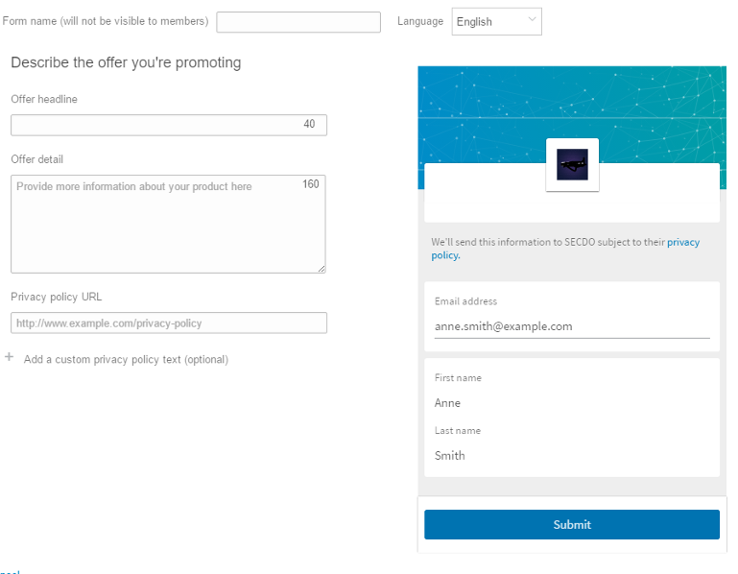
The next step is to set up the lead form itself. Enter a form name, a headline and other information needed. Treat it as a landing page and give all the necessary information including a powerful call to action to make sure that the user fills out the form.
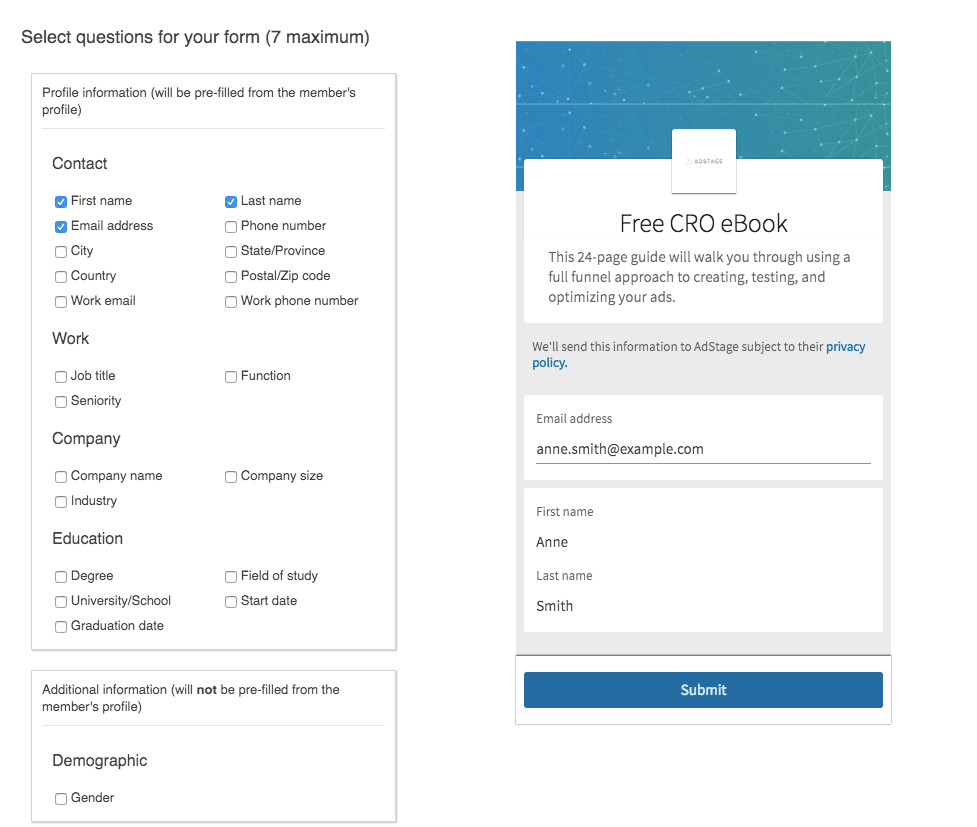
The next step is to create the form and you can choose up to seven fields that you want to collect from your lead form including name, email address, job title and phone number.
You also have the option to set a thank you message and display a URL that can take the user to, once some fill out the form. This can be a landing page or website.
Selecting the target audience is the most important step to collecting the right leads. LinkedIn gives you the option to choose from a wide range of them based on demographics, job titles, location, industry, skills, gender, etc. Once you have selected the audience, choose the budget and define your bid type from CPC or CPM and voila, your ad is now ready!
Apart from giving you the basic information of the cost per lead, LinkedIn also tells you how many people opened the advert, how many of them opened the form and how many submitted as well. You can also download the leads from your form and used that data for future campaigns.
LinkedIn already has detailed targeting options, which allows marketers to target potential audience by the company, job title, etc. However, the platform has now expanded and introduced a concept called matched audience. Matched audience lets you retarget website visitors and add your contact database. This option gives you the chance to target people who are familiar with your business, giving you a better chance of capturing the lead and driving sales. Using matched audience, you can target:
As the name suggests, with this feature, you can target people who visit your website. Make sure you add the LinkedIn pixel on all pages of your website, just like how you add the Facebook pixel and create a custom audience in the tools section of campaign manager.
If you have a database of your customers, with contact targeting, you can add them to your LinkedIn campaign manager and target them.
Account targeting lets you reach powerful people who call the shots within your target accounts. All you need to do is upload a list of target companies to match against the 8+ million company pages on the platform.
Sponsored InMail ads look just like a regular email and present the opportunity to marketers to send personalised messages to their target audience. The InMail ads act as an email marketing campaign, which is sent to the target audience’s LinkedIn inbox, without having to acquire their email ids. The best part about this feature is that it has 100% delivery as the emails are sent only to people who are active on the platform when it is being sent.
InMail ads are a great way to showcase your product, branded content, webinars and promote content downloads such as ebooks and infographics.
With the Sponsored InMail ads, you can target a variety of target audience relevant to your business just like the lead ads. The ads are only sent to a user once in 60 days so it eliminates the question of spam and crowd.
With more than 500 million users and various ad formats, LinkedIn has become the go-to platform to promote content. If you are a small to medium size business and want to sell to decision makers, LinkedIn is the perfect place to be. According to data, more than 80% of the leads generated for B2B companies come through LinkedIn. From promoting relevant content to showcasing the product, B2B services can create a niche market for themselves on LinkedIn.
Although LinkedIn is synonymous with the B2B sector, we have tried it out for B2C sectors as well. It especially works well for real estate, education, finance, the publishing industry, etc. With the right targeting, a business can increase their visibility and possibly generate leads. Given below is an example of how one of our real estate clients, Mahindra Lifespaces, leveraged LinkedIn lead ads to improve the quality of sales. To promote one of their properties on GST Road, Chennai, they look to LinkedIn lead ad feature to target senior level executives. The ad opened to a lead form within the platform, giving a convenient way for potential investors to contact the buyer. With LinkedIn, Mahindra Lifespaces saw a 5x increase in leads at about 20% of the cost.
Which one of these updates are you trying out for your business? Let us know by leaving a comment.
Over the last decade, digitisation has transformed the travel industry quite dramatically. Gone are the days where travellers visit the counter to make a booking. To plan a travel is now a click away; right from the research for the trip to booking the tickets and hotel accommodation. Driven by digitisation, the travel sector, now an online sector, feels the constant need to build and foster relationships with its customers. This practice provides them with seamless experiences to retain customers and sustain themselves in this competitive marketplace. Since the travel industry is a highly competitive space, it is essential to keep up with the latest trends for greater success.
Here are five most trending digital marketing developments in transforming the travel industry.
In today’s fast-paced world, everyone prefers getting information on-the-go. From finding a cab to booking tickets, the internet has taken over our lives and has given us the convenience of getting things done right from our phones. This revolutionary trend has led to the increase of mobile first approach.
Travel companies, too, are making effective use of device-optimized solutions in fresh ways to draw more and more guests towards their travel services. They have observed how users find it a lot easier to Google search destinations or travel portals on their mobile phones or at most on iPads / tablets. They know mobile-responsive websites is the up and coming trend. If your travel company website is not mobile optimised, you are out of the radar and you are losing out on a large chunk of the audience.
A classic example is that of a Business traveller. Business travellers have traditionally made their travel decisions and hotel bookings online. Due to time constraints, they seem to be switching over to their cell phones to do these bookings. These travellers are constantly checking out new, attractive travel packages and affordable hotel stays. They then try their best to align them with business trips to convert their business trips into leisure (Bleisure). They are on the constant lookout for seamless experiences on their mobile phones.
Sterling Holidays one of India’s leading holiday experience companies have optimised their website to connect with their potential customers.
Today’s digital times has seen the emergence of Facebook as a household name. Gone are the days when Facebook was just considered as a networking site to keep in touch with family and friends. It is now a highly effective marketing platform to showcase your product or service. It even has the power to influence users and inspire them to travel and explore new places.
Online research and studies have shown that travel companies that engage with online audiences on Social Media, tend to leverage their brand image more effectively. This leads to an increase in the number of followers, reviewers and influencers which, in turn, results in higher ROI. Travel companies are regularly making their presence felt on influential digital platforms such as Facebook, Instagram and Twitter through creative posts, carousel ads, canvas ads and Call to Action (CTA) ads, depending on the nature of the advertisement.
Let’s take a quick example of Thomas Cook. They run ads with strong CTA that not only reaches out to their target audience and promotes favourable brand identity but also boosts online sales to a great extent.
Your brand too can be a preferred choice for travellers, if you have adequately engaged audiences on your social media pages. Be active on your social media handles to create an engaging post, which inspires your followers to travel. Do not forget to use relevant hashtags to increase the visibility of your brand and make the post go viral in no time. Twitter users generally tend to create a positive buzz around travel brands by sharing good travel experiences. Most travellers today, post pictures while on vacation on Facebook, Instagram and Snapchat. You can simply repost them on your page to showcase your credibility to prospective targets.
Recommendations work wonders in influencing most people’s spending habits. It can bring in more leads than expensive promotional digital advertising as nearly everyone today wants to check the reliability of the travel services they are planning to purchase online. However, you need to ensure that your services are always up to the mark and are of top quality as a single negative comment can take your entire marketing strategy downhill. Online reputation management can make or break your brand so when such an unfortunate event occurs, the key to spring back up is to respond to the customer immediately and do the needful as quickly as possible. To know How You Can Efficiently Track And Respond To Feedback On Social Media, See Our Detailed Blog.
Retargeting is a foolproof strategy to generate quality leads for your business. In this technique, travel companies create a custom audience of travellers who have either visited their resorts or posted about their services online. From check-ins to reviews, all the users who have remotely been associated with the brand are clustered into a custom audience. Ads are then generated keeping this target audience in mind. Since these users are already familiar with your brand, converting them into long-term customers is easier than approaching first-time users.
It’s also quite interesting, how booking portals have begun to integrate social media profiles of passengers to offer personalised deals. They use pop-up questionnaires as a medium to ask customers their preferences. The customers too, don’t mind filling up a couple of questions if they were to receive customization in their bookings. Scanning through social media profiles of passengers, to seat them next to people of similar interests on flights, is the latest development. This analysis is usually done at the time of bookings itself. The right data helps travel companies in assessing their customer needs, based on interests, demographics, possible budget range, desired vacation destinations, etc. and ultimately creating a better travel experience for them.
Content is the backbone of all the digital marketing efforts undertaken by a travel company. Just like how reviews and recommendations can bring amazing results in generating leads, securing a top rank for your travel website through SEO certainly helps your business grow further and increases your popularity among other holiday companies. Content plays a significant role in SEO efforts in the form of blogs, infographics, videos and imageries. It is important to create content which your target audience will find engaging. As far as travel companies are considered, relevant videos work as the best SEO strategy.
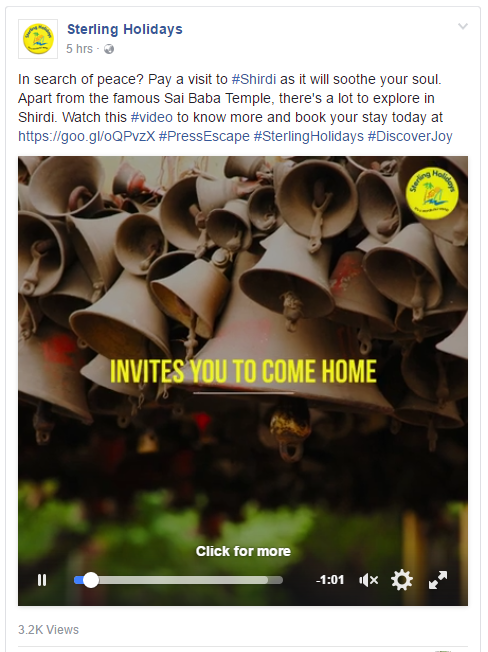
The videos used to market a travel company can feature panoramic views of the hotels (exteriors/room interiors), the amenities offered, local attractions and the things to remember before visiting places, to name a few. These low-cost videos can tell your brand story and can be as simple as white board clips, GIFs, simple animations or even a series of beautiful pictures. Sterling Holidays have attracted thousands of viewers through simple but innovative videos.
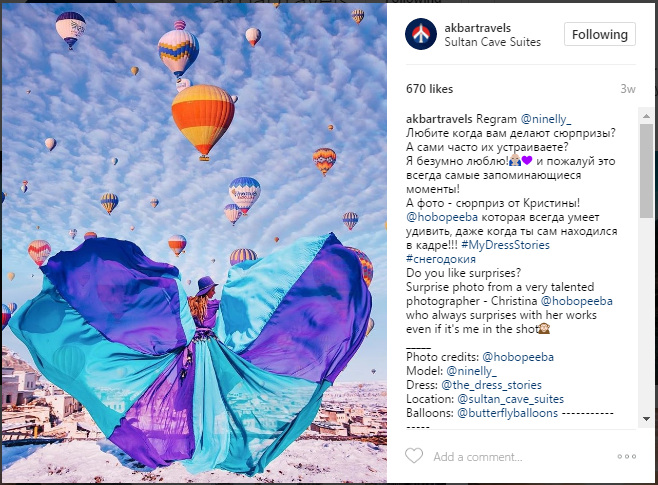
Content creation through imagery has also proven to be very effective for many digital marketers. Coloured visuals increase people’s willingness to buy. For instance, Instagram and Pinterest are all about visually appealing content through pictures, GIFs and videos. This resonates well with the travel industry. Akbar Travels is the perfect example of how to make your content stronger to attract more visitors to your travel website. Their Instagram page has a mix of beautifully captured images and GIF videos that are visually appealing. This inspires users to travel which in turn leads to a higher rate of conversion.
Few of the top travel-related searches performed on Google are as follows:
If your website, blogs, or videos address any of these concerns, you have nailed it. However, there is a catch here. Curating content is not a one-time effort. Google algorithms change time to time, which makes it crucial to keep your travel website as updated and as optimised as possible to maximise the relevance and generate higher revenues.
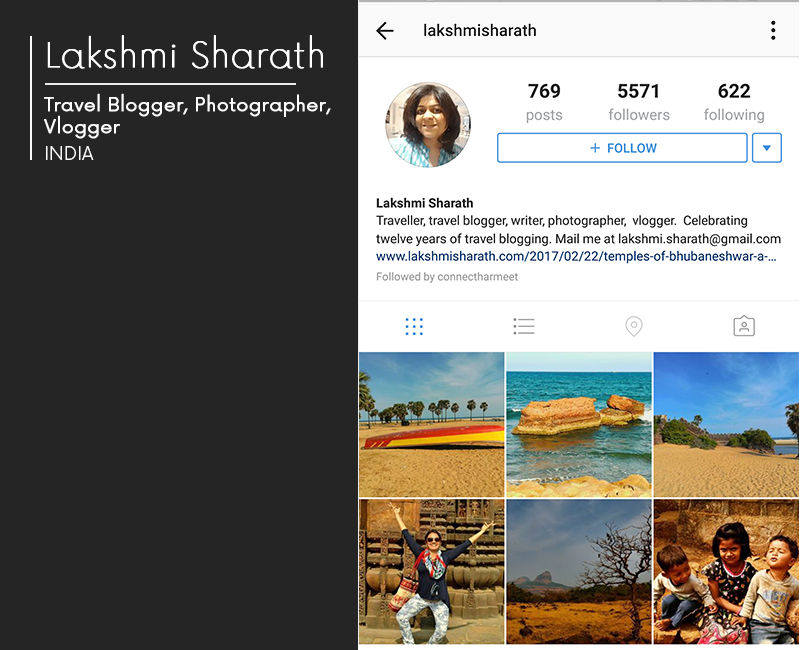
Influencer marketing, as the name suggests, is marketing your brands through specialists whose opinions, reviews and testimonials draw the attention of the press and public. Travel influencers are specifically those, who are avid travellers either to a particular destination, specific resort or a type of destinations (mountains, beaches, holy, spiritual places). They also include profound travellers who have a huge fan following on Instagram or Twitter and those whose profiles reverberate with demographics of your target audience. They are paid for curating content for travel holiday packages. Their words are generally taken at face value as their content is constructed to strongly fit in, contextually. If you are looking at using influencer marketing, read our blog on tips for your first Influencer marketing campaign.
However, to ensure that influencers hired to write for your brand are making a mark, it is important that they know what your brand stands for, its aims and objectives and whether your brand reflects well with their style of writing. For instance, if you aim to lure readers into a strong call to actions (CTAs), it primarily will require you to look for an influencer who invites followers to experience the travel adventures for themselves. On the contrary, if you are only inclined towards promotions, you can explore a range of influencers to engage with your brand and post images with captions on your company’s social media handles.
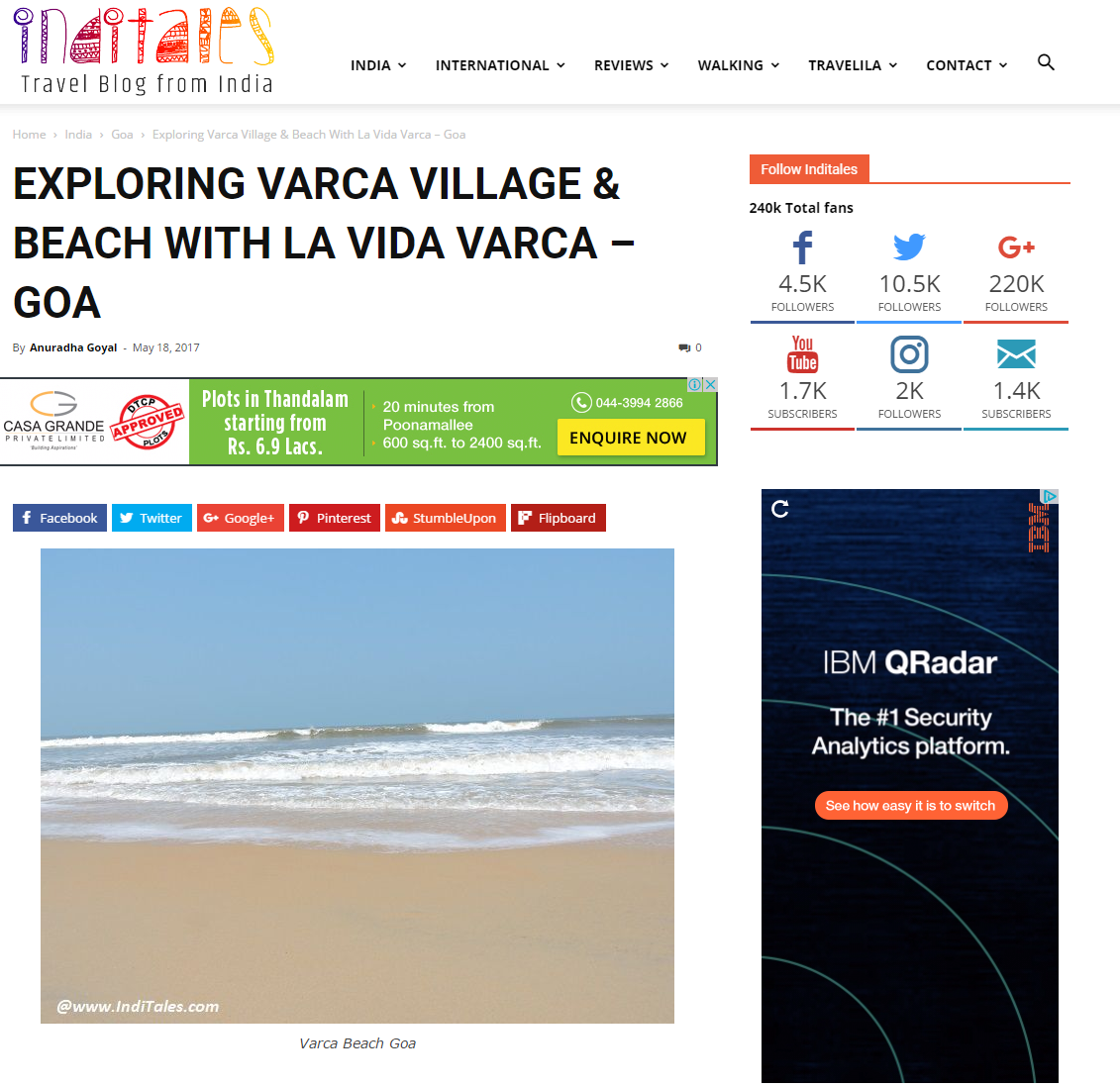
For example, Sterling Holidays were on the look out for an influencer to promote their latest resort in Goa. We approached renowned travel blogger Anuradha Goyal and offered her a two day stay at the plush new resort. She wrote about her memorable time at the spectacular location in her blog and posted the same on all her social media handles.
Though these top five trends are few of the most effective digital trends a travel company can take up, there are a plethora of other strategies which can also be used for a guaranteed increase in ROI. With endless nuances coming up in the online environment, new additions are always welcomed to the existing lists at any given point in time. To illustrate this, let’s take an example of the newest trend that can overwhelm travellers before they make purchase decisions – Virtual Reality. This trend has begun to show its effects in technologically advanced parts of the world and will soon be replicated around the globe.
The e-commerce market is getting competitive by the day, and e-commerce businesses need to find unique ways to build relationships with their customers to create a loyal customer base. For any e-commerce business, website traffic is the most important segment, and yet it is the most challenging one.
Social media is playing a very powerful role today in the evolution of online shopping. It provides a platform for conversations, reviews, information and expression. An e-commerce business can leverage on the opportunities provided by the social media platforms for their own benefit. According to an article by Magento, 93% consumers turn to social media to help them make buying choices, while 90% say they trust recommendations from their peers.
Several strategies have been listed by digital marketers on how e-commerce businesses can use social media to drive traffic to their website. Listed below are five powerful tactics you can use to embrace the reach of social media for higher benefits.
Leaving your ad open out there in front of the masses is not such a great idea. Once you have figured out your prospective customer base, you can use targeting options provided by social media sites like Facebook to target your ads to the relevant customer base. Facebook provides you with numerous targeting options based on location, demographics, Interests, device type, etc. It also provides you with features like custom audiences, lookalike audiences and retargeting. Using these targeting options, you will be able to reach your potential customers and engage them more effectively. Smart Targeting will help you increase your ROI on Advertising to a great extent. Dynamic Product Ads can be used to retarget customers who have earlier shown interest in your products or services. To drive more sales across devices, dynamic product ads now provide a lot of flexibility and variety in functionality to e-commerce advertisers.
A classic example would be that of Cathay Pacific Airways. They used dynamic product ads for travel, to reach people who had earlier performed a search on their website. The ads featured an image of the destination city that people searched for to inspire them to act. The ads also included a "book now" button that linked directly to the booking process on the Cathay Pacific website.
Another example is that of eBay. eBay is successfully using dynamic product ads and retargeting to motivate their customers based on the customer's interest. They connect with their customers by showing them personalised and relevant products in their ads.
Facebook Carousel ads are also a great way of showcasing e-commerce website products. They not only help to showcase the products in detail but, when used creatively, also help drive traffic to the e-commerce websites.
Influencer marketing is the new buzz word and has currently penetrated in the marketing mix of many industries. Mostly food, travel and fashion are the three major industries where influencer marketing is really going up the ladder. Influencer marketing is a newer and organised term for the old-fashioned word of mouth marketing. The way people work through the buying process has changed due to the advent of the internet and social media. People now have become more efficient in their search process, and they look for comprehensive and authentic information online. While associating an influencer with your business, it is important to consider the influencer’s likability, credibility and trustworthiness. Remember that Influencers act as brand ambassadors for the audience and thus the information they put out there should be in sync with what the business stands for.
Influencers can be used in numerous ways: For product launches, reviews, engagement, campaigns, events and so on.
A very good example of this is the Influencer campaigns done by Nykaa.com. Nykaa is an e-commerce store that deals with skincare, beauty and makeup products. Nykaa.com engages with various beauty bloggers and influencers and weaves campaigns with them. Beauty and fashion are two areas where people rely heavily on reviews and opinions of influencers. Nykaa leverages this very well.
The majority of online shoppers have agreed to the fact that not being able to physically touch and feel the products on e-commerce websites is their least favourite part of shopping online. This is especially true in the case of fashion and beauty industry. Product images from different angles and views may not completely explain a product's functionality or provide a proper overview of the product. Videos are the new preferred form of media and e-commerce businesses should leverage on the high acceptance of videos among customers. Ecommerce businesses can use videos to bridge the gap between offline and online shopping experiences. Product videos can help in providing a holistic buying experience to the customer and also provide a clear overview of the different scenarios in which a product can be used. This makes it more appealing to online buyers. Product videos can not only be used on product pages but also on social media feeds of the e-commerce brands as well as part of Facebook or Google ads. Not only can these videos be used for Facebook and Google advertising, but they can also be used for advertising on YouTube. There are several versions of videos that are gaining popularity on social media. A few of them are live videos, 360-degree videos, 30-second videos, time lapse videos, stop motion videos and animated or white videos.
Product videos can be used to introduce a new product and show how the product works with other similar or commonly used products, from the brand, and to encourage conversions from existing customers.
On1y is a food brand that caters to a very niche market segment. It provides spices, herbs and exotic seasoning. On1y uses a lot of innovative ways to engage with its audience on social media and at the same time create a buzz around its products. In the screenshot below, On1y has shared a Facebook live video of a food influencer interacting with customers and cooking up recipes using On1y spices.
Social media for e-commerce is not simply about pushing across products and promotions. Many e-commerce companies fail to understand this. Social media can be used very well for engaging audiences online through high value textual and visual content. Ecommerce brands can find it very tempting to simply fill timelines with product promotions and advertisements. However, social media provides numerous ways by which e-commerce brands can make online shopping a delightful experience for consumers. You can engage audiences through live polls, live videos, user generated content, contests and much more. Topical posts and festive posts can also be used to attract audience attention. To garner high level of engagement, it is important to understand the need of the customers. Understanding this will help brands to curate content accordingly.
Social media can also be used by e-commerce brands to provide better customer service. Nowadays, a lot of customers look for solutions on the internet and prefer quick communication over the internet rather than going through a long phone call. At the same time, brands must encourage satisfied customers to write reviews and rate the products/e-commerce brands. Reviews and ratings go a long way in building a brand’s credibility online.
Blogging is a great way to drive traffic to your e-commerce website. It helps your site rank higher in SEO through several internal links and backlinks. Blogging is also a good way to reach out to customer problems and be a problem solver. Most customers search for solutions to their problems online and blogging can be a great way to provide solutions to them. Long form content helps to drive more traffic and definitely helps in higher search page ranking. Blog posts also help to subtly introduce products or promote products in an indirect way. For instance, a blog post on the topic "summer dressing" by a fashion e-commerce site could consist of summer looks using products from the e-commerce site. This will not only create attractive and useful content for the readers but will also serve the e-commerce brand's purpose of showcasing their products. Similarly, a blog post on "Top 10 budget smartphones" by an e-commerce brand like Flipkart or Snapdeal which sells mobile phones could include descriptions of each smartphone comprising of unique features and direct links to the products on the e-commerce site.
Finally, it is important for e-commerce brands to identify the right social media channels to leverage their brand. Social media platforms, if used creatively and strategically can help e-commerce businesses reach their target audience in a much faster way. The importance of social media has been adequately realised by fashion and food industries among others. However, e-commerce brands can also leverage the benefits of social media by strategizing and creating fool-proof social media plans.