FB Twitter LinkedIn Google+

What Happens When Everything You Were Famous For Becomes Available to Everyone

Reading Time: 9 minutes

The integrated read from the 17th Digital Leadership Summit. Bengaluru, 31 July 2026.

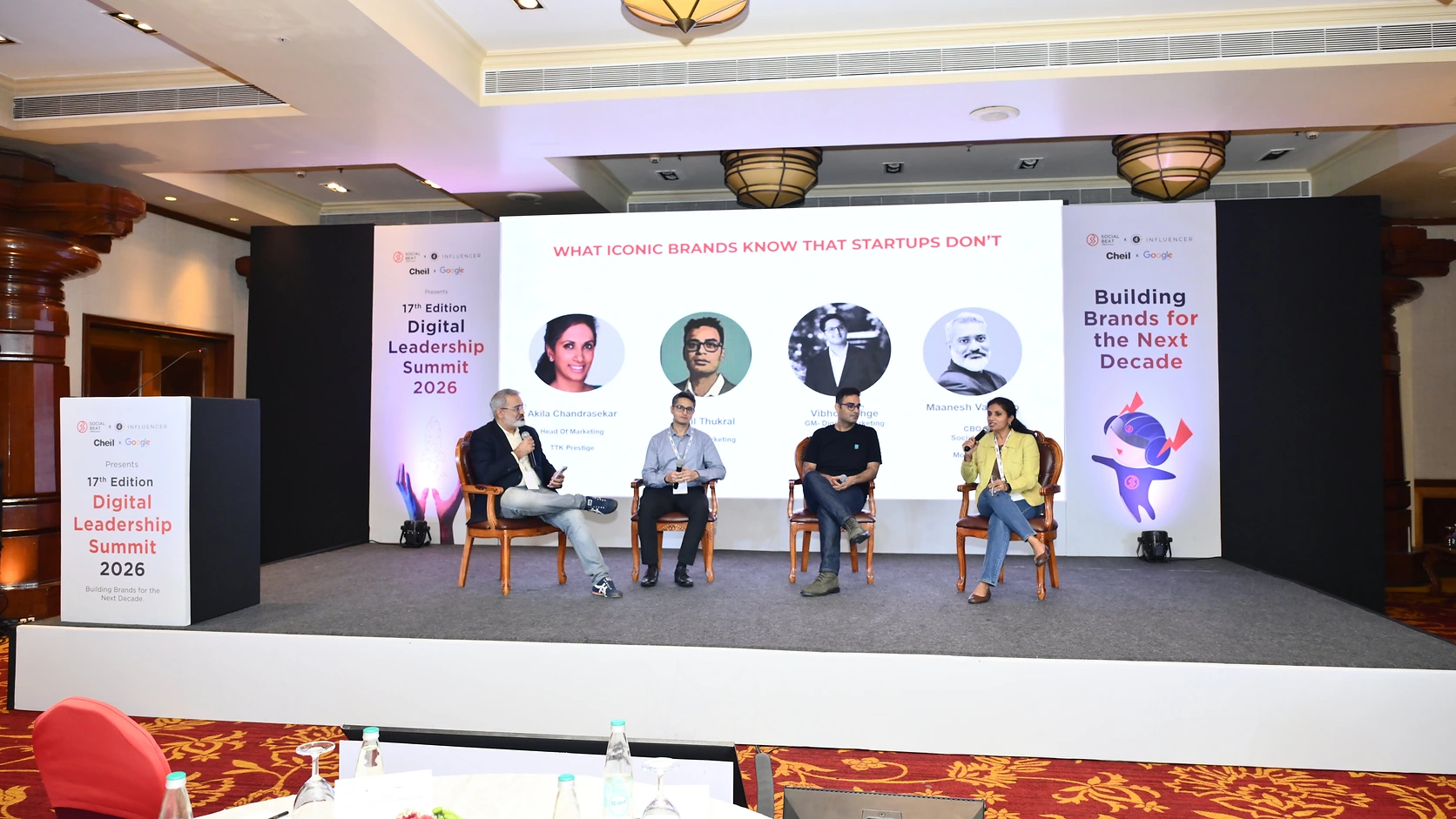
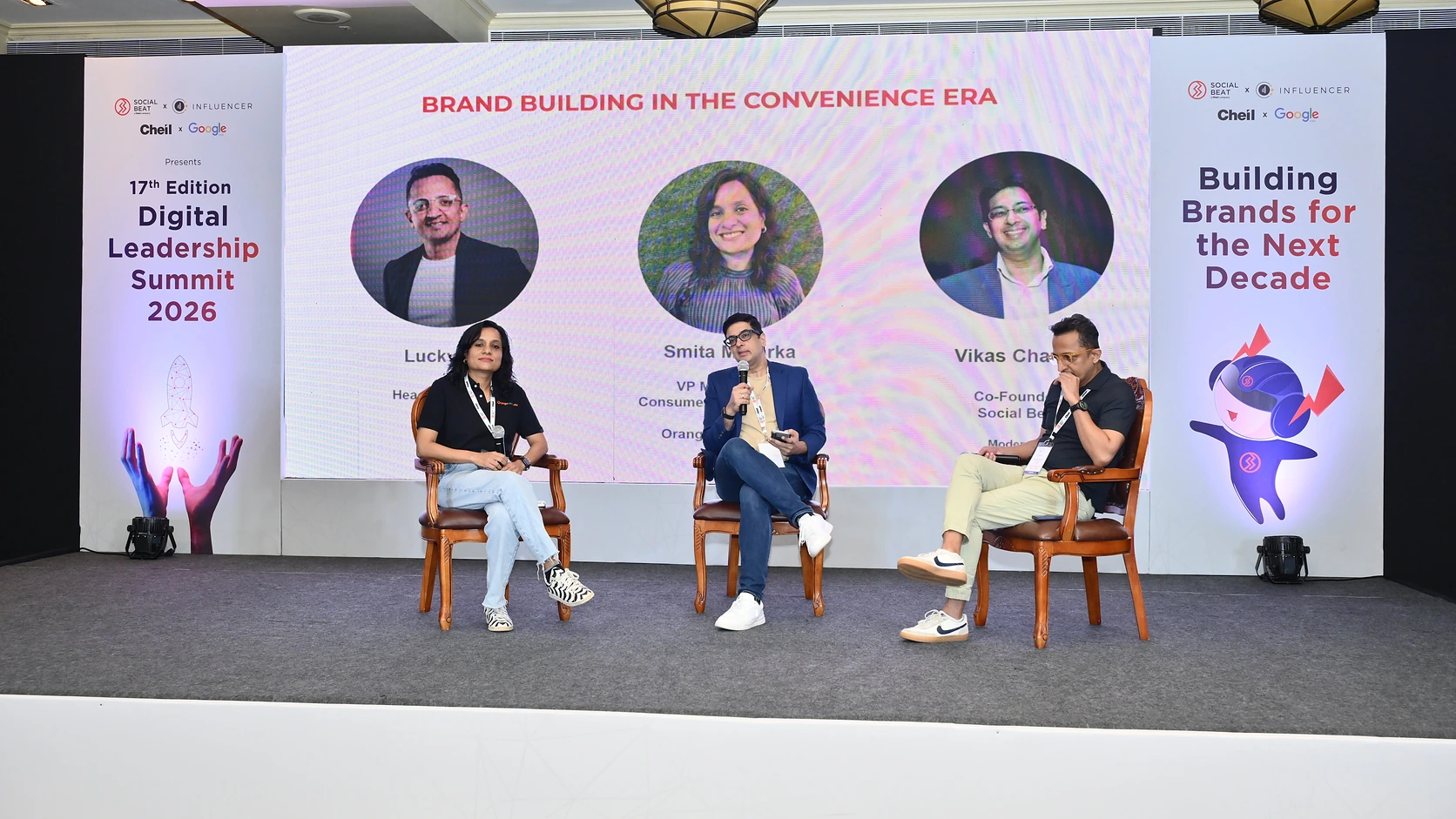
We ran the 17th edition of the Digital Leadership Summit at the Taj MG Road in Bengaluru on 31 July, together with Google and Cheil. The theme on the invite read Building Brands for the Next Decade. Nine sessions, a room full of marketing leaders, and categories as far apart as diagnostics, accounting software, pressure cookers, deep tech, groceries and online degrees.

We expected the panels to pull in different directions. They did not. By the third session it was obvious that every speaker was answering the same question from inside a different category.

What do you own once the thing that made you famous is available to everybody?

For First Club and Orange Health Labs, that thing was speed. For Tally, MTR and TTK Prestige, it was reach and distribution. For every company in the room, AI is doing it to execution right now. Same problem, three different decades of arrival. And it is the most honest brief for brand building we have heard in a while, because it forces you to separate what competitors can buy from what they cannot.

The short version

  • Every advantage that scales eventually becomes infrastructure. Speed did. Distribution did. AI is doing it to marketing execution now, faster than either.
  • The first promise buys the trial. The second promise earns the repeat. Brand positioning has to move above whatever the category now gives away for free.
  • The assets that survive have no rate card: unpaid advocates, and an operation that keeps the promise marketing makes.
  • AI runs the middle of the work. Humans still own both ends: what to make, and whether it ships.
  • The brand vs performance marketing debate is over. The longer the horizon, the more performance depends on brand.

The first promise is the entry fee

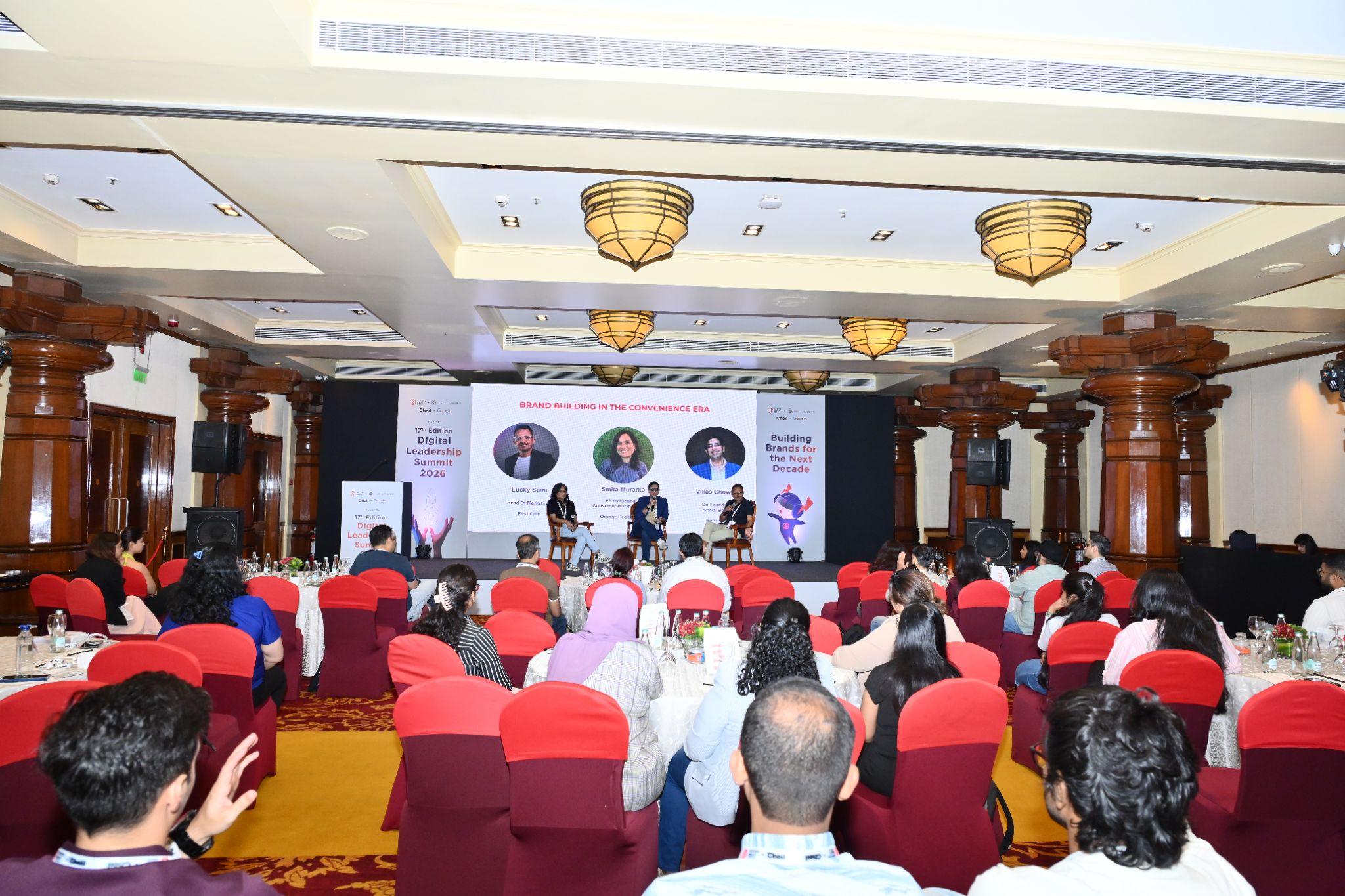
Both consumer brands on our convenience panel won their first customers on speed, and both spent this year taking speed out of the promise. First Club, the Bengaluru grocery brand, keeps the words quick commerce away from the brand entirely. Orange Health Labs sold itself for five years as India’s fastest diagnostic lab, then retired the line for Speed Meets Science.

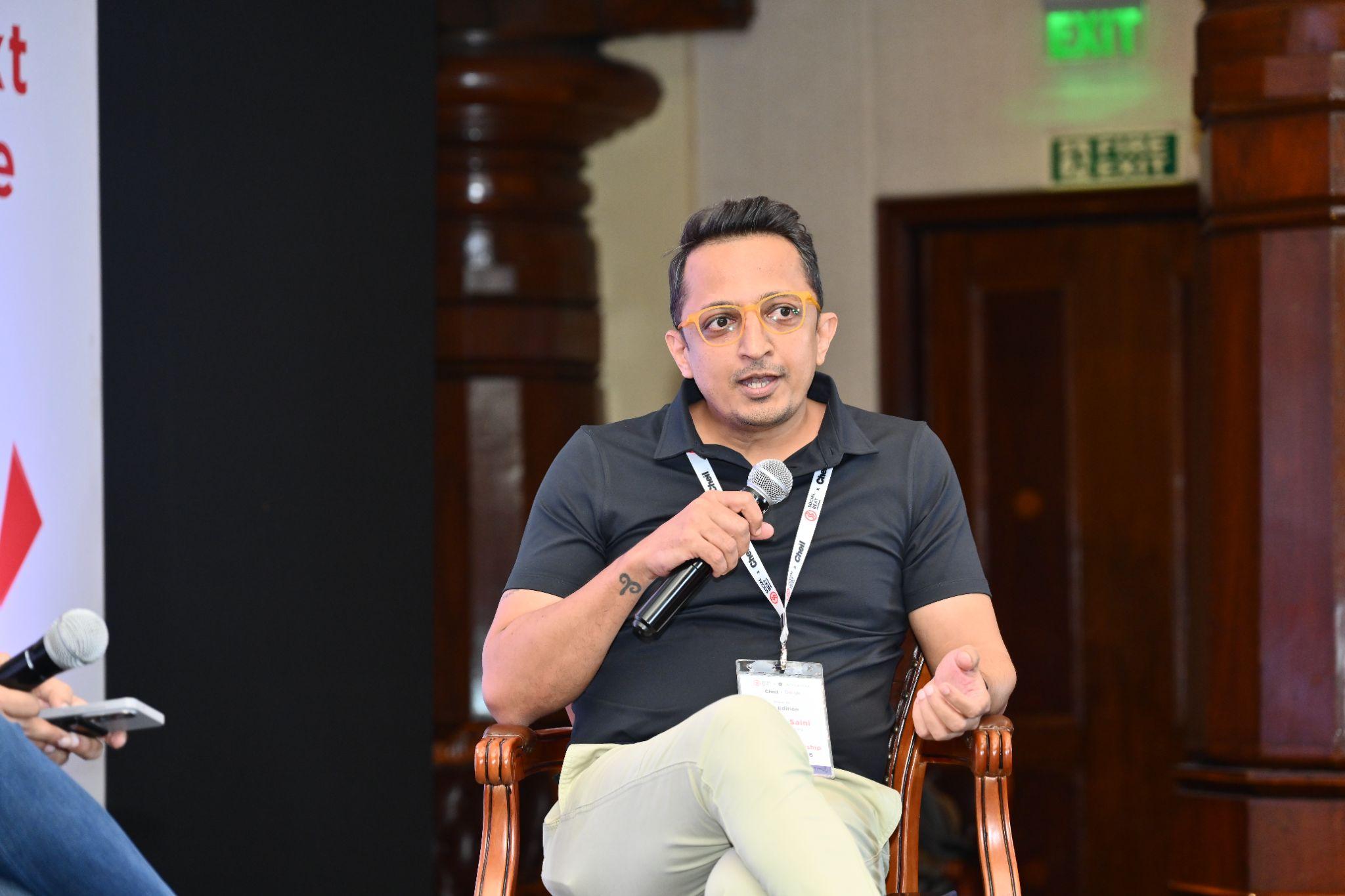
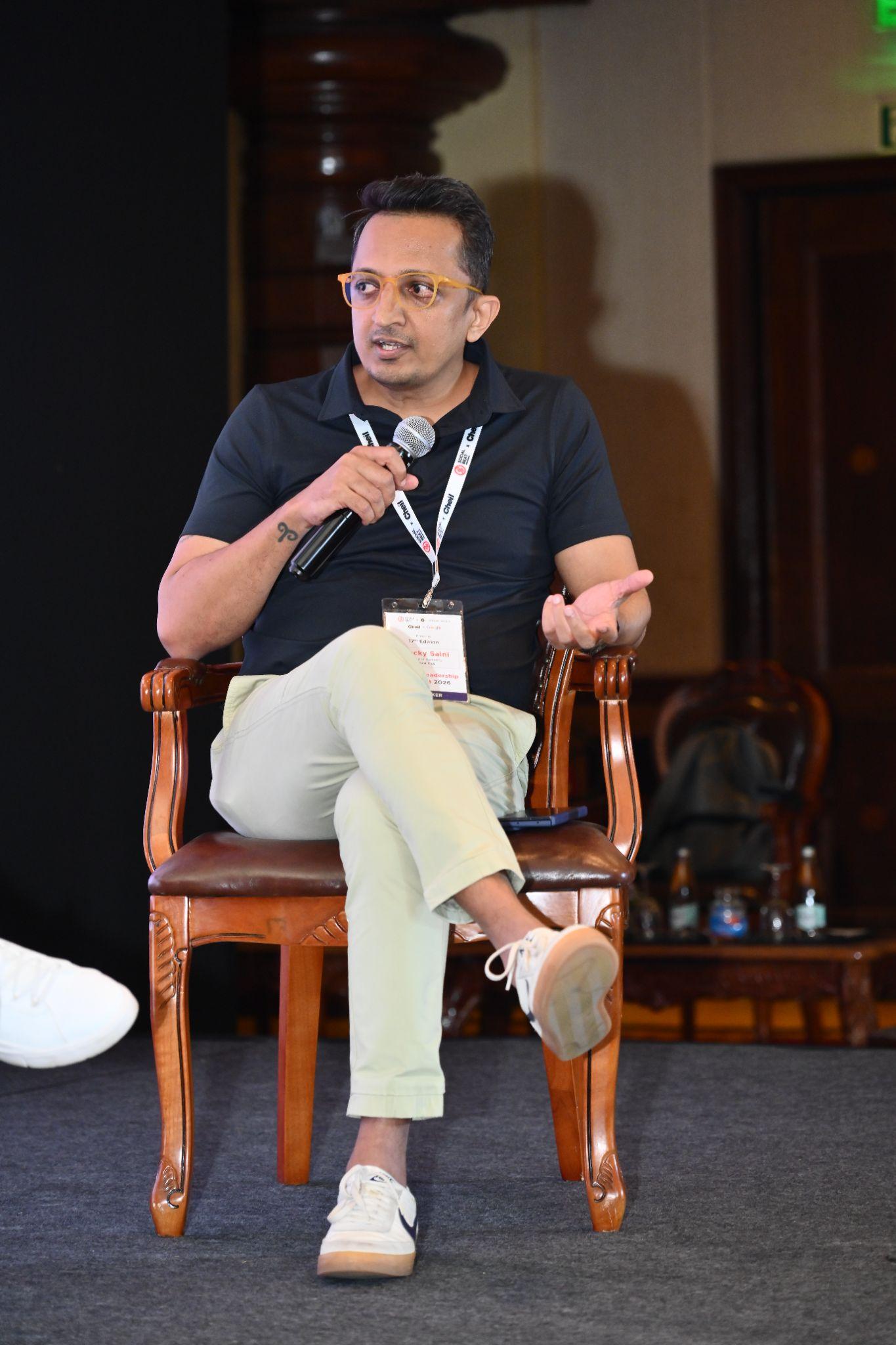
Lucky Saini of First Club gave the cleanest proof that a repositioning had landed, and it did not come from a brand tracker. His customers stopped writing in about late deliveries and started writing in about the fruit. Why is this apple bruised. Why is this mango not sweet. The complaint moved off the promise and onto the product, which means the customer moved with it.

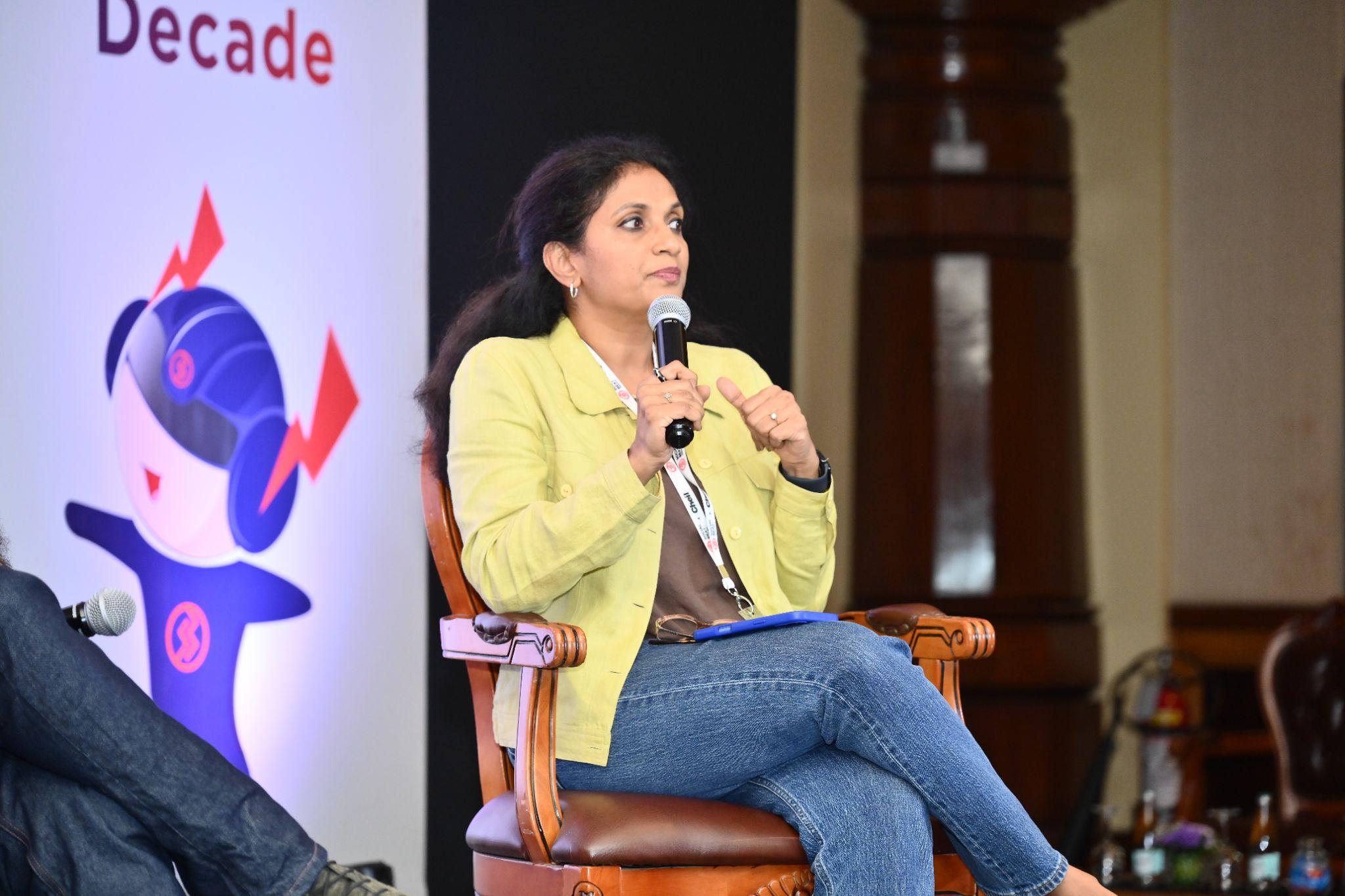
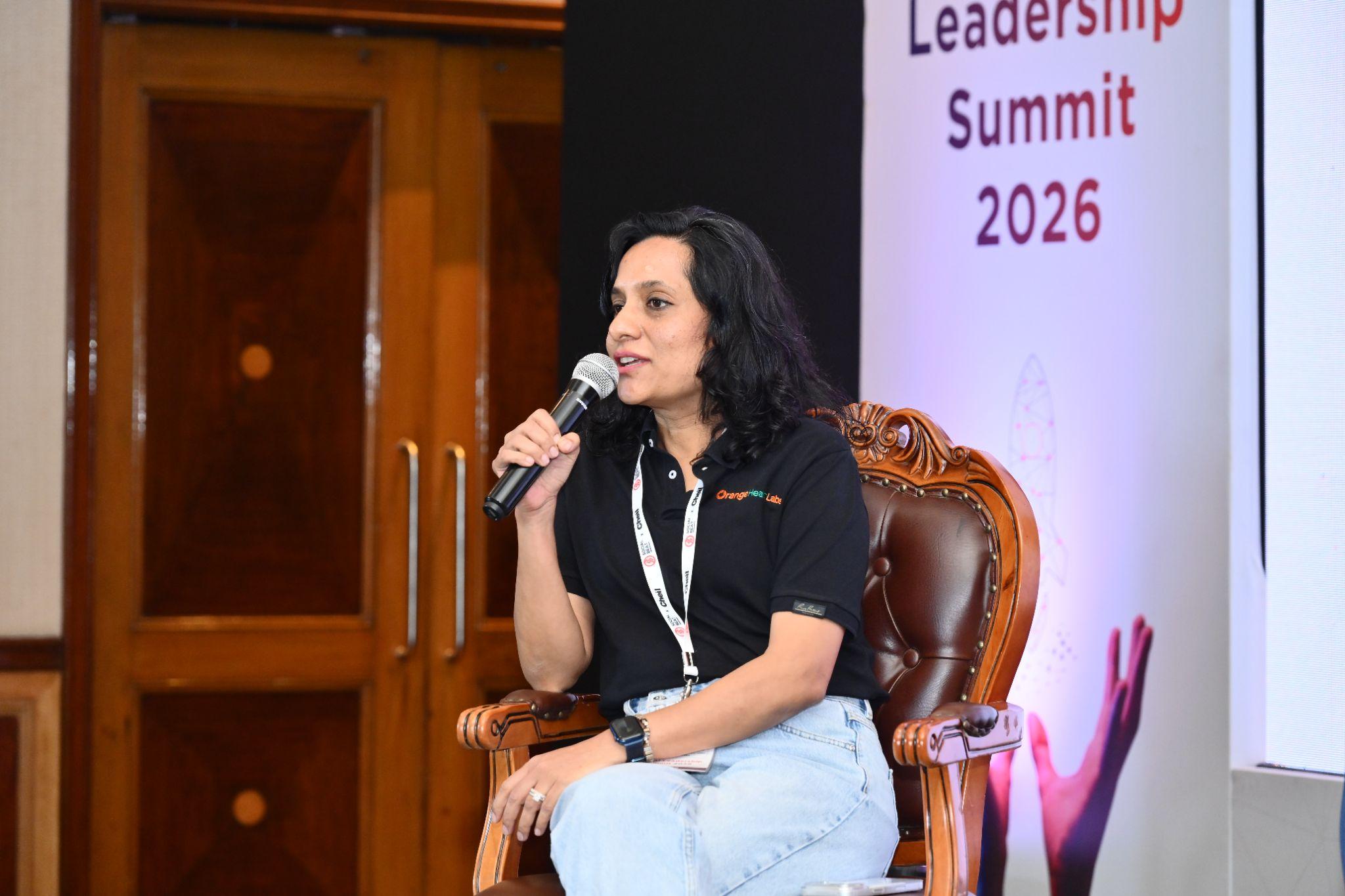
Smita Murarka made the same case from diagnostics. Speed only became defensible once Orange Health could explain what produced it: automated labs with little manual handling, sample integrity from collection onward, and reports back in six hours. The new line does not throw the old promise away. It puts a reason under it. The second promise, not the first, is what brings a customer back.

The incumbents in the room are living the other end of the same shift. Akila Chandrasekar of TTK Prestige described Prestige selling pressure cookers and gas stoves on quick commerce platforms, where nobody actually needs a cooker in ten minutes. Her read: the platform has stopped being a delivery channel and become a discovery surface, and its search bar now does the job Google’s search bar used to do for the category. Vibhor Ronge of MTR described the same platforms in media terms, with the impression and the conversion happening inside one session, which has changed how a hundred-year-old brand tests budgets.

Convenience did not stop mattering. It stopped being an argument. Any brand positioning still built on it is standing on the floor and calling it a ladder.
The first promise is the entry fee

The assets that survive have no rate card

The second pattern across the day was brand trust, and the sharpest version came from the least glamorous category in the room.

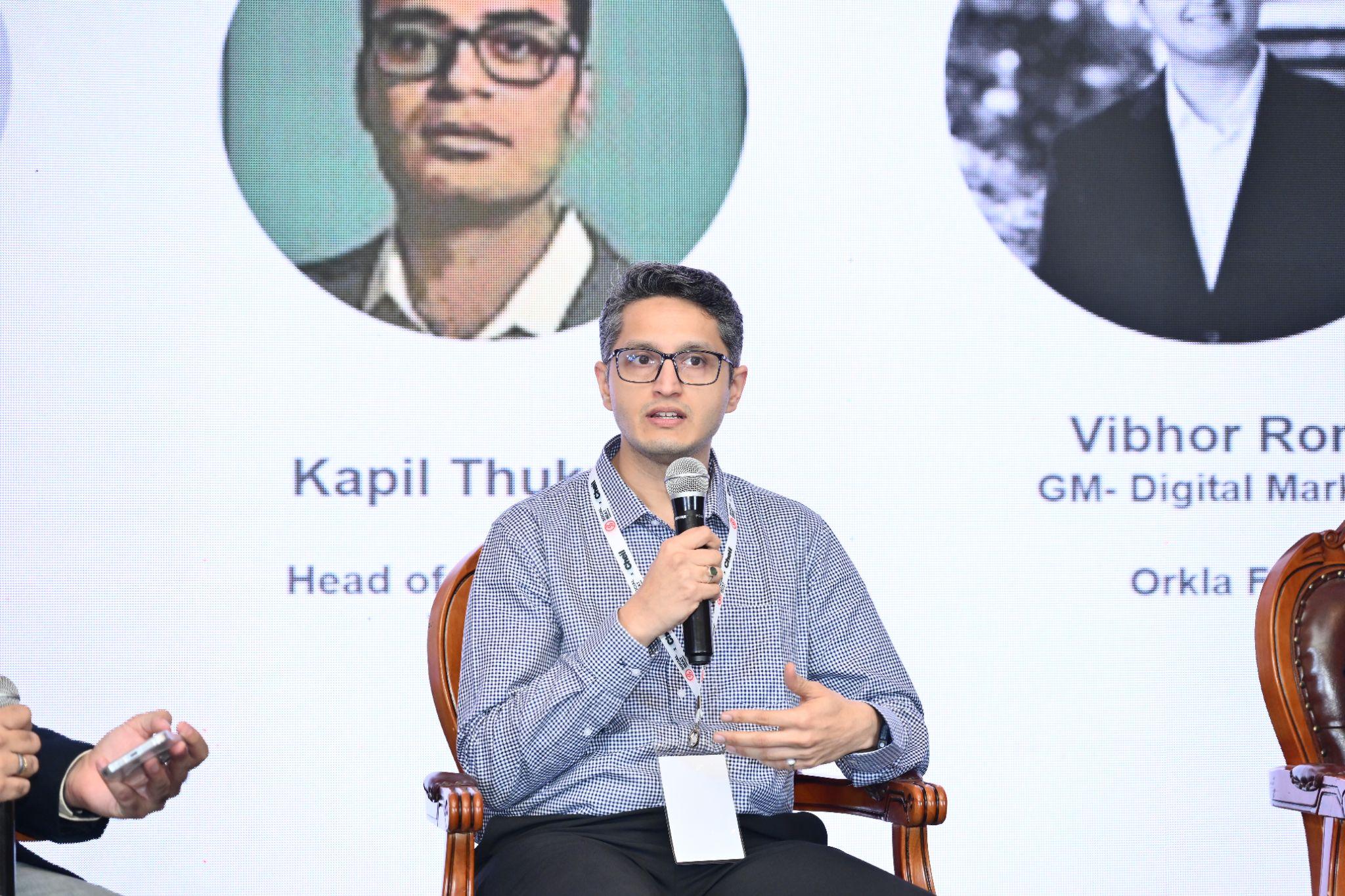
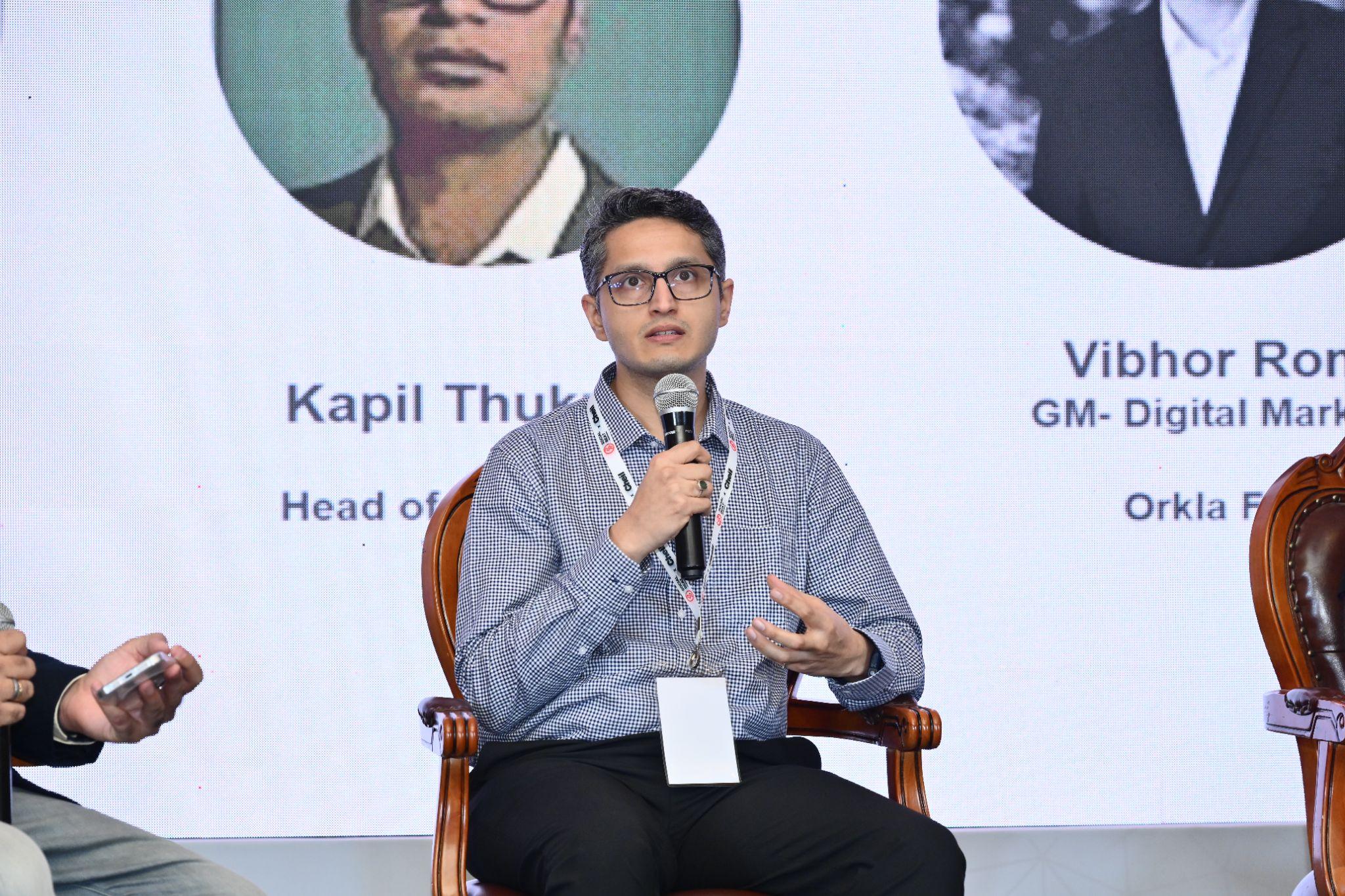
Kapil Thukral of Tally described the offline communities around the company: chartered accountants, business owners, tax practitioners, content creators, tens of thousands of people. None of them are paid. None of them expect to be. The only commitment Tally makes is to do everything in its power to make them successful, and it evaluates those communities on what it can do for them, not on what they sell.

“In long-term brand building, the role of a well-wisher cannot be bought with any amount of paid advertising.”
 Kapil Thukral, Tally
The assets that survive have no rate card

Every marketer in that room has an influencer line in the budget. Almost nobody has a line for well-wishers, because there is no rate card and no dashboard for one. That is exactly why it compounds.

Ankit Kedia of Capital A gave the operational version in his fireside, and it was the line of the day.

“Marketing states the promise and the factory keeps it.”
 Ankit Kedia, Capital A

When a bottle leaks, no customer blames the cap. They blame the brand. Packaging, tooling, dispensers, supply chain: none of it appears in a brand deck, and all of it is the brand as far as the customer is concerned. His argument was that the old standoff between operations and marketing is dissolving, because the remaining edge is control over what you make.

Akila added the constraint side of trust. Heritage is a benefit and a baggage at once. An iconic brand cannot run twenty experiments to see what sticks, because decades of imagery ride on every one. And she named the challenger playbook precisely: a startup takes one narrow segment out of a forty-year portfolio, sharpens a proposition on that one thing, and puts every rupee behind it. When ten challengers do that at the same time, the incumbent has to answer all ten. The real asymmetry is not budget or speed. It is focus.

AI took the middle, not the ends

Every panel touched AI in marketing, and nobody on stage was playing evangelist or sceptic. These were operators describing where they had drawn a line inside a live business, and the line was remarkably consistent.

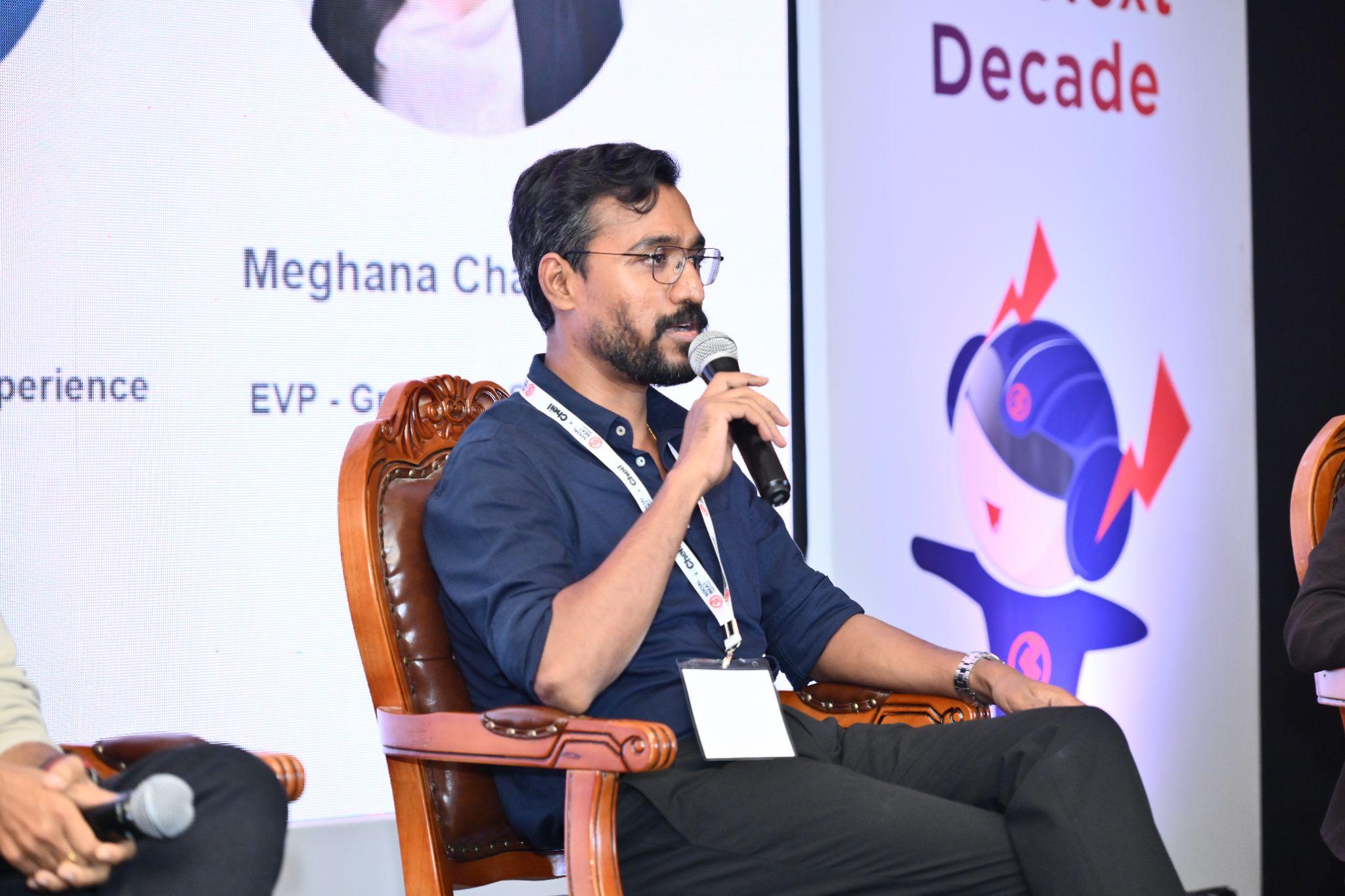
Rahul Datta of NoBroker runs a customer-facing voice agent with a supervisor agent watching live calls, and still will not let AI launch or change a campaign. His reason had nothing to do with capability.

“You need a neck to catch.”
 From the NoBroker exchange on the AI panel

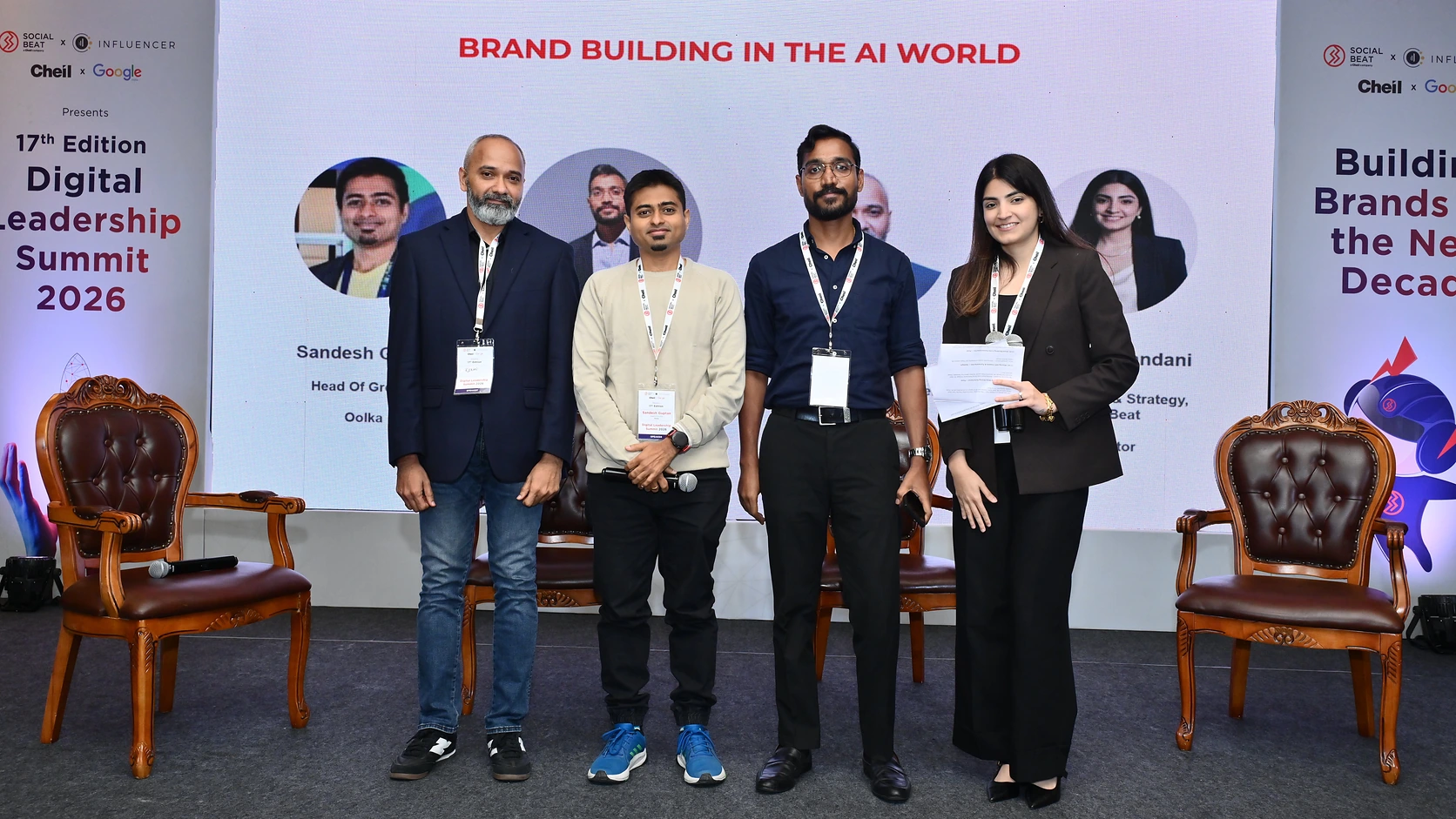
Somebody has to be answerable for the call, which means somebody has to make it. Sandesh Gupta of Oolka said AI now does his research and his content, and that execution at scale on Meta and Google is not there yet, whatever the agency decks claim. Lucky Saini refuses AI creative for a fresh food brand while automating nearly everything in paid media except deployment and policy. Smita Murarka uses AI to get seventy to eighty percent of the way and never for the final work, because a diagnostics brand sells trust and the story has to be real.

Read together, they all land in the same place. Automate the layer where the output is a number. Keep humans on the layer where the output is a promise. Most teams are currently doing the reverse.

Kiran Kumar R of UNext supplied the piece with the shortest fuse. The SEO fundamentals have not changed, he said, but discovery has. Users are arriving through AI models now, and UNext can see that traffic. Around seventy percent of its business comes from Tier 2 and Tier 3 towns, so this is not a metro early-adopter story. Put that beside Kapil’s point that zero-click results have made search winner-takes-all, and the conclusion is hard to avoid: being cited in the answer is starting to matter more than ranking on the page. Generative engine optimization is the name for that work, and hardly any brand has a budget line for it yet. It is the gap we built GEO Pulse to measure, and most brands still cannot say whether they show up when an AI engine answers a buying question in their category.

Brand vs performance marketing: the one debate that ended

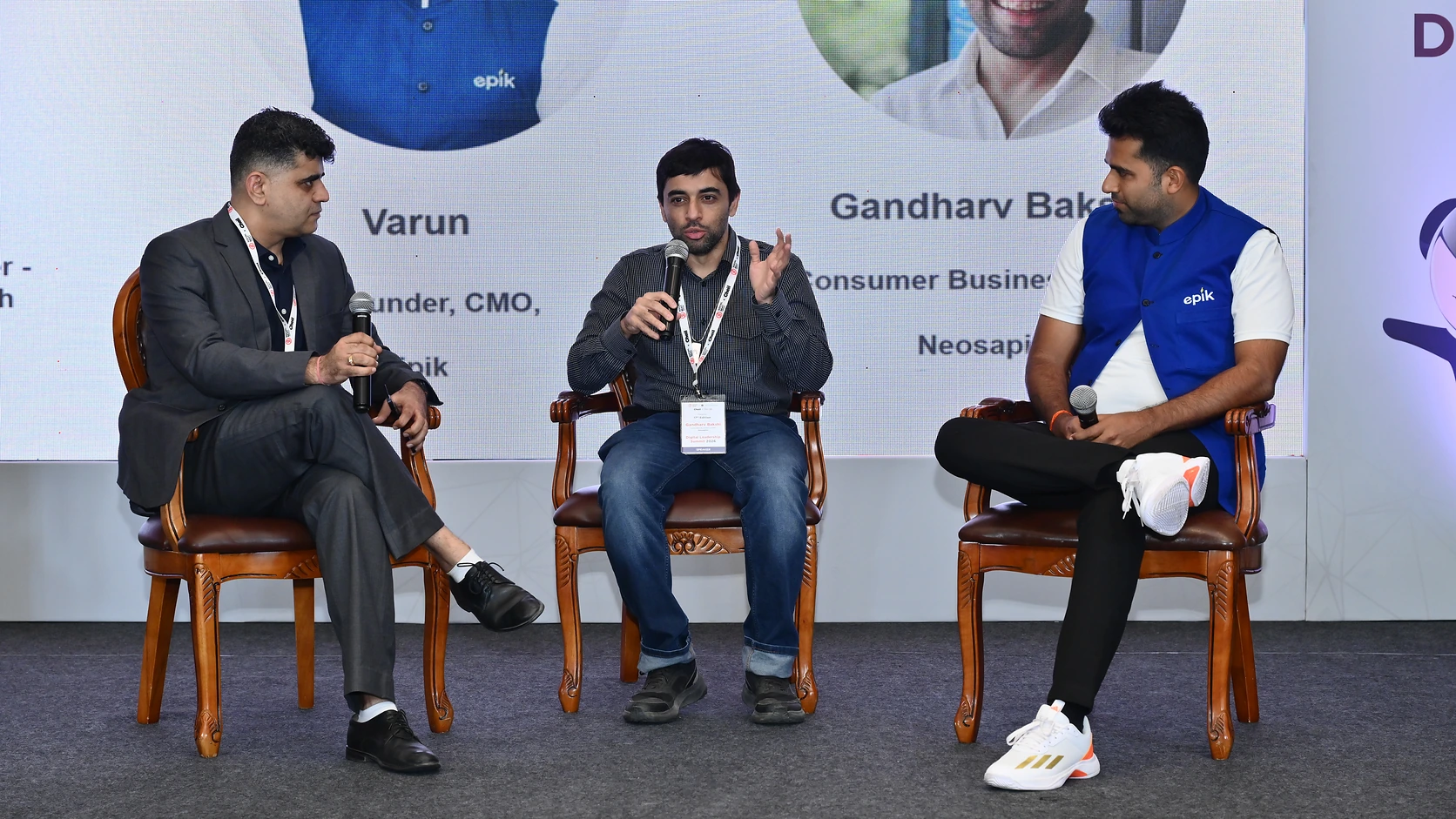
On the panel with Nikhil Khemani of Google, Varun of Epik and Gandharv Bakshi of Neosapien, the old framing got dismissed inside the first few minutes. If the idea is strong, the brand campaign drives performance and the performance campaign builds brand. The split is dissolving.

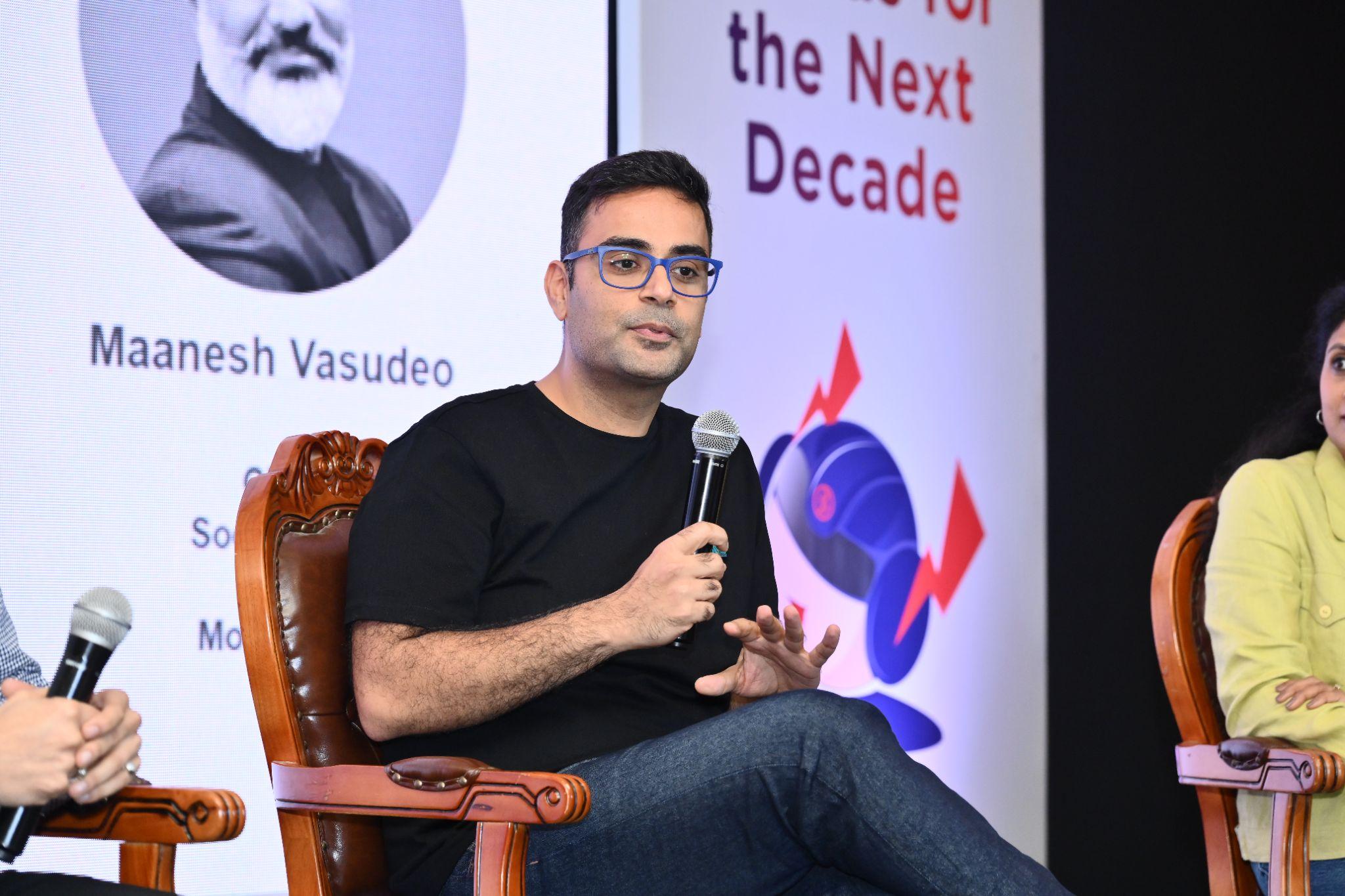
The more useful part was the CFO conversation underneath it. Gandharv described the proof he trusts: Neosapien has raised prices and cut discounts, and demand has held. That is a brand marketing argument that survives a finance meeting in a way aided recall never has. Varun’s version was repeat, retention and lifetime value, plus a detail worth stealing: around ninety Epik employees carry the brand in their LinkedIn profiles, and branded search moved before any campaign did.

The honest summary from that room: the longer the horizon, the more performance marketing depends on the brand. Early-stage companies are right to be performance-heavy. They are also borrowing against a bill that comes due.
Brand vs performance marketing: the one debate that ended

What we would do on Monday

Three moves, in the order you can actually do them.

  1. Split your current advantages into two columns: what a competitor could buy or copy within eighteen months, and what they could not. Be brutal about which column speed, features and reach sit in. Your brand building budget belongs to the second column.
  2. Give someone a well-wisher job. The customers who defend you unpaid already exist. Find them, and do something for them, before you top up the influencer line.
  3. Write down which marketing decisions a machine may make and which need a named human. Then check whether AI engines cite your brand on buying questions in your category. If you have not checked, you do not know.

Seventeen editions in

Since 2012 we have watched Indian brands win a category on one attribute and then spend years defending it. What was different in that room was that the best operators are no longer defending. They are retiring the attribute that built them while it is still working, and moving the argument up a level.

That is the pattern under all of it. Speed became infrastructure. Distribution became infrastructure. AI is turning execution into infrastructure right now, faster than either of the previous two. Anything that becomes infrastructure stops being a reason to choose you.

What is left is narrow and hard to copy: the second promise, the mechanism behind the claim, the people who vouch for you unpaid, and the judgment about what to make and what to kill. None of it is fast. All of it compounds. That is what building brands for the next decade actually looks like.

Thank you to Google and Cheil, to every speaker, and to the team who built the day. For the marketing leaders who were in the room, one question to take back: which of your current advantages will be infrastructure in eighteen months, and what are you building on top of it?

FAQs

What is the difference between brand and performance marketing?

Brand marketing builds memory, preference and trust before a purchase is on the table. Performance marketing converts existing demand into a measurable action such as a lead, an install or a sale. The panel at Digital Leadership Summit 2026 argued the split is dissolving: a strong idea does both jobs, and over a long horizon your performance numbers depend on the brand you have built.

What is performance marketing?

Performance marketing is paid advertising planned and optimised against a direct, measurable response: leads, installs, purchases, account openings. It is the right early bet for most young companies. The catch is that its efficiency is not independent of brand. As brand strength grows, click-through rates rise, acquisition costs fall and price sensitivity drops, which is why performance-heavy spending without any brand investment gets more expensive every year.

What is brand building?

Brand building is the work that makes a customer choose you, and choose you again, without being convinced from scratch each time. It covers positioning, product experience, trust, communities and the operational discipline that keeps the promise. Unlike speed or distribution, it cannot be commoditised, which is why it is the part of marketing that compounds.

How do you build a brand that lasts for the next decade?

Assume today’s differentiator becomes tomorrow’s infrastructure, then invest in what survives that shift: a second promise beyond the entry fee, a visible mechanism behind your headline claim, advocates who vouch for you unpaid, and clear human judgment on which decisions a machine may make. Speed, reach and AI execution will all be available to your competitors. What you build on top of them will not.

Does brand marketing actually drive performance?

Over longer horizons, yes. The evidence shared on stage: Neosapien has raised prices and cut discounts with demand holding, Epik tracks repeat, retention and lifetime value as its brand proof, and branded search moved when its own employees put the brand in their LinkedIn profiles, before any campaign ran. These are speaker claims from the stage, and they line up with what most mature accounts show: stronger brands pay less for the same conversion.

What is the Digital Leadership Summit?

The Digital Leadership Summit is Social Beat’s flagship event for marketing leaders. The 17th edition ran on 31 July 2026 at the Taj MG Road in Bengaluru, together with Google and Cheil, under the theme Building Brands for the Next Decade, with speakers from First Club, Orange Health Labs, Tally, TTK Prestige, MTR, NoBroker, Capital A, UNext and others.
AI in Marketing: The Machines Run the Middle. A Human Still Owns the Call.

Reading Time: 7 minutes

Theme three of three from the 17th Digital Leadership Summit, hosted by Social Beat with Google India and Cheil at the Taj MG Road, Bengaluru, on 31 July 2026.

Most debates about AI in marketing end up in one of two camps. One side says the machines will soon run the whole function. The other says the output is average and the hype will pass. The AI conversations at this year’s Digital Leadership Summit were more useful than both, because nobody on stage was predicting. Leaders from NoBroker, Oolka, First Club, Orange Health Labs and UNext were describing where AI actually sits inside a live business, and where they have chosen to stop it.

Across five very different companies, the line landed in the same place. AI now does the middle of the work. A human still makes the call at both ends: the brief that goes in, and the decision that goes out.

Conversational AI has arrived. Accountability has not moved.

Rahul Datta of NoBroker described one of the more advanced conversational AI setups we have seen in an Indian consumer business. An AI voice agent, trained on the company’s own best agents, speaks to customers and adjusts its tone as the conversation shifts. A second system listens to live calls and flags what is going well or badly. A third feeds context to human agents while they are still on the phone.

Then he explained where all of it stops. Nobody at NoBroker allows AI to launch a campaign or change one. The system only knows what it has been given. It cannot weigh brand language, connotation, or how a line will read to someone it was never written for. A person signs off, every time.

“You need a neck to catch.”

That line from the NoBroker session is the clearest summary of the problem we have heard. The constraint on AI in digital marketing is not capability anymore. It is accountability. Someone has to answer for the decision, so someone has to make it. This is what human in the loop actually means in practice. It is not a compliance checkbox. It is a named person who owns the outcome.

Worth noting, too, how he framed the bigger picture. NoBroker was built to reduce the information gap between brokers and buyers. In his view, AI has not inserted a new middleman. It has extended the promise the brand was founded on. That is a sharper question than most AI commentary asks: before you ask what AI does to your workflow, ask what it does to the thing your brand already stands for.

Conversational AI has arrived. Accountability has not moved

Research and content, yes. Execution at scale, not yet.

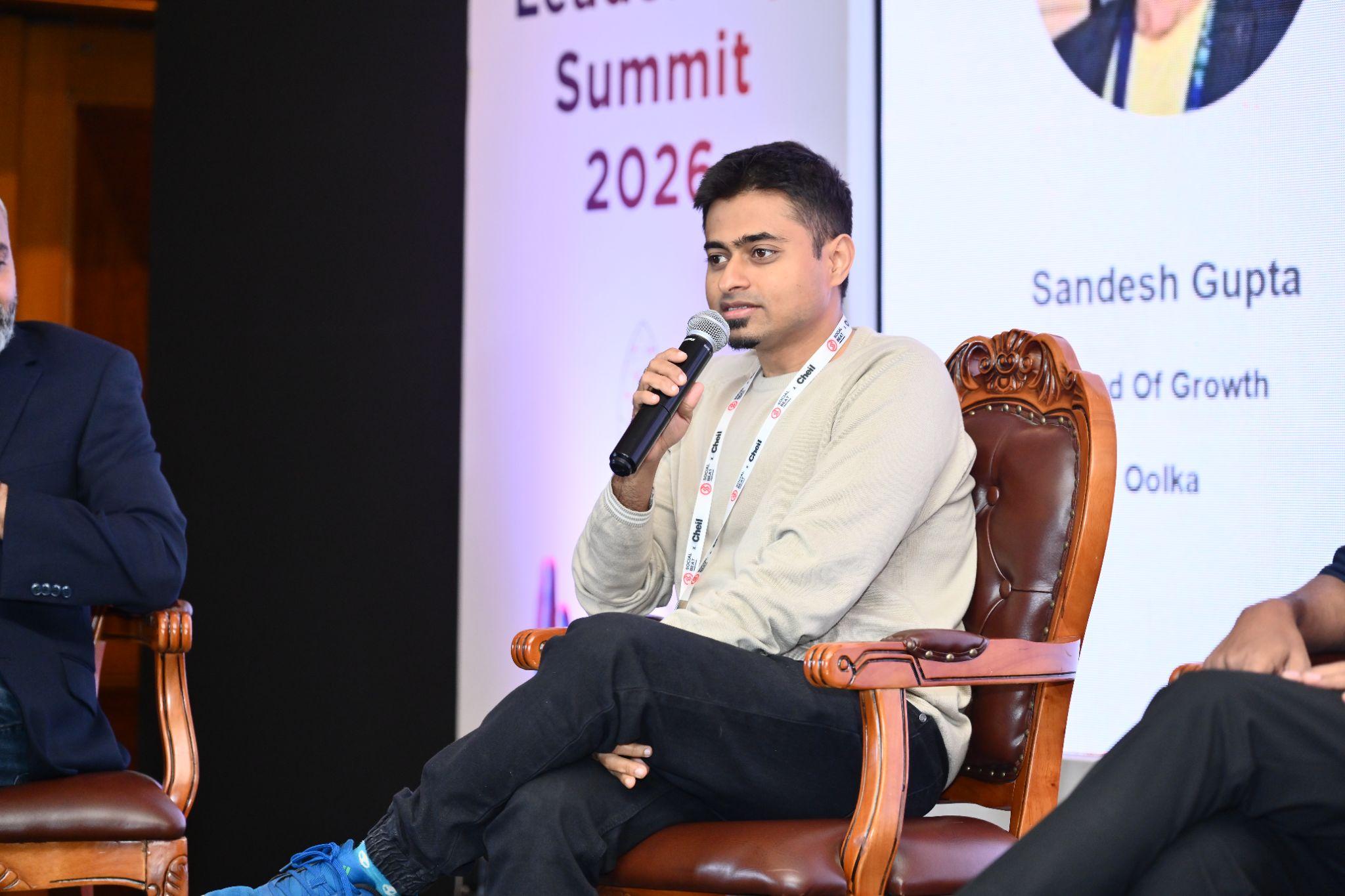
Sandesh Gupta of Oolka split the growth function into three parts: research and analytics, content to feed campaigns, and execution. His answer was blunt. AI is doing the first two well. The third has broken for him. He has spent months pushing automated execution across Meta and Google, and his honest read is that it is not ready. A human still has to make the tactical calls that produce the result.

Notice what this does to the standard pitch for AI in performance marketing. The usual deck says AI will handle execution and free humans up for strategy. The practitioner running it daily says the opposite: AI handles the inputs to strategy, and humans still have to execute. On current evidence, we side with the practitioner.

One story from that session stayed with the room. Oolka builds for customers in smaller towns, where financial literacy is thin and the lending chain is tangled. Sandesh found a chat in which a customer near Bhubaneswar was planning the finances for her daughter’s wedding with their bot, apparently unaware it was a bot, and warmly inviting it to the wedding. Whatever you conclude about AI in marketing, that is a real signal of how quickly conversational AI is being trusted outside metro India.

Research and content, yes. Execution at scale, not yet

Automate the number. Keep humans on the promise.

The most instructive moment of the day came from Lucky Saini of First Club, who took two opposite AI positions inside the same ten minutes. First: no AI creative. When you sell trust in fresh food, machine-made content is the last thing a customer should see. Then, minutes later: in paid media, First Club is automating nearly everything, with humans holding only two decisions, deployment and policy.

Both positions are right, and together they are the answer most teams are looking for. The question is not whether to use AI. It is which layer to give it. Smita Murarka of Orange Health Labs drew the same boundary from diagnostics: AI gets her team seventy to eighty percent of the way on research, thinking and direction, and never produces the final work, because a diagnostics brand sells trust and the story has to be real.

Put simply: automate the layer where the output is a number. Keep humans on the layer where the output is a promise. Most Indian marketing teams currently have it backwards. They generate creative with AI because it is visible and easy to demo, and run media by hand because that is where the team’s habits live. Flip it.

Discovery is moving into AI answers. Almost nobody has budgeted for it.

The observation with the shortest fuse came from Kiran Kumar R of UNext, almost as an aside. The SEO fundamentals, he said, have not changed. What has changed is how people find you. Users are now arriving through AI models, and UNext can see and track that traffic. He put around seventy percent of the company’s demand in Tier 2 and Tier 3 towns, which means this is not an early-adopter story from the metros. It is the main channel shifting under a working funnel.

Set that beside what Kapil Thukral of Tally said about zero-click results turning search into a winner-takes-all market, and the picture gets uncomfortable. Being cited in the AI answer is starting to matter more than ranking on the page. Ranking earns you a slot on a results page. A citation puts you inside the answer itself, which is the only thing many users will read.

This is the ground that generative engine optimization covers, along with answer engine optimization, or AEO. Call it GEO optimization, AI search optimization, or AI Overview SEO; the work is the same: structure your content so that AI engines can find it, quote it, and credit it when they answer a buying question in your category. We built GEO Pulse at Social Beat to measure exactly this, and the honest state of the market is that most brands cannot yet say whether they appear in an AI answer for their own category. That is the gap, and right now it is cheap to close because so few are trying.

What we would do with this

Three moves, in the order we would make them.

One. Write down the decision rights. List which calls in your marketing operation a machine may make and which need a named human. Most teams have never put this on paper, which is why the same argument keeps repeating in every review.

Two. Apply the layer rule. Automate wherever the output is a measurable number. Keep people wherever the output is a promise a customer has to believe. If your AI budget is going into creative while your media runs manually, you are automating in the wrong direction.

Three. Check your AI visibility this week. Ask the major AI engines a buying question in your category and see whether your brand is cited. If you have not checked, you do not know, and your competitors’ content may already be the answer.

Frequently asked questions

What is generative engine optimization (GEO)?

Generative engine optimization is the practice of making your content visible and citable inside AI-generated answers, on platforms like ChatGPT, Gemini, Perplexity and Google’s AI Overviews. SEO earns you a rank on a results page. GEO earns you a mention inside the answer itself, which is increasingly where the click would have gone.

What is answer engine optimization (AEO)?

Answer engine optimization means structuring content so that answer engines, from AI assistants to featured snippets, can lift a direct, accurate response from your page. In practice, AEO, GEO and SEO overlap heavily: clear structure, direct answers and strong sourcing help you in all three. The terms differ mainly in which surface they target.

Will AI replace digital marketers?

Not on the evidence from operators actually running it. AI now does the middle of the work: research, analysis, first drafts, signal sorting. Humans still own both ends, the brief and the accountable decision. As the NoBroker session put it, you need a neck to catch. The marketers at risk are the ones whose entire job was the middle.

How do you use AI in marketing?

Based on what five companies described on stage: use it for research, analytics and content development, where it reliably gets teams most of the way. Be careful with fully automated execution at scale on Meta and Google, which practitioners like Oolka’s Sandesh Gupta say is not dependable yet. And keep final creative and brand judgment human wherever the product is trust.

Can AI run ad campaigns end to end?

Not today. Even the most automation-forward team at the summit, First Club, holds two decisions back from the machines: campaign deployment and policy. NoBroker will not let AI launch or edit a campaign at all. The blocker is accountability. Until someone can be answerable for a machine’s call, a person has to make it.

How do you optimise content for AI search?

Write for extraction. Use clear question-based headers, give a direct answer in the first two sentences under each, name entities precisely, and back claims with sources an engine can verify. An FAQ section like this one is itself the tactic: it gives AI engines a clean question and a quotable answer in one place.

How do you track whether your brand is cited in AI answers?

You need AI visibility monitoring: regularly asking the major engines the buying questions in your category and recording whether, and how, your brand appears. Doing this manually works as a first check but does not scale, which is why we built GEO Pulse to track citations across engines over time. Most brands that run this check for the first time are surprised by who is being cited in their place.

A closing question for your next team meeting: which decision in your marketing is a machine already making that nobody formally agreed it should make? Write the answer down. That list is where your AI policy starts.


Brand Trust Is the Asset Nobody Can Buy, and Most Brands Underprice It

Reading Time: 7 minutes

Theme two of three from the 17th Digital Leadership Summit, Bengaluru, 31 July 2026.

The most useful thing said all day came from a B2B software company, and it was about people who are not paid anything.

Brand trust gets discussed in Indian marketing as if it were a media outcome. Run enough campaigns, keep the message steady, and trust will eventually show up in the tracker. What Friday’s sessions made clear is that the trust which survives commoditisation is built somewhere else entirely: in unpaid communities, in decades of consistent delivery, and in the factory that keeps the promise marketing makes.

Why Tally said no to B2B influencer marketing

Kapil Thukral, who leads digital marketing at Tally, was asked whether the chartered accountants and business owners around the brand work as an influencer channel. His answer was no.

His reasoning cuts against how most B2B marketing budgets in India are being written right now. Conventional B2B influencer marketing does not really work for business software here, he argued, because the supply of credible voices does not exist. And it does not exist because the demand never did. Nobody built a career reviewing accounting software, so there is no bench of trusted reviewers waiting to be paid.

What Tally has instead is community marketing in its oldest form: offline networks of chartered accountants, business owners, tax practitioners and content creators that run into tens of thousands of people. None of them are paid. None of them expect to be. The only promise Tally makes is that the company will do everything in its power to make them successful, and it evaluates those communities on what Tally can do for them, not on what they sell.

Why Tally said no to B2B influencer marketing

“In long-term brand building, the role of a well-wisher cannot be bought with any amount of paid advertising.” Kapil Thukral, Tally

Sit with the second half of that line. Every Indian marketer reading this has an influencer row in the budget sheet. Almost nobody has a row for well-wishers, because there is no rate card and no dashboard for them. That is exactly why they compound. This is word of mouth marketing at its most honest: recommendations that carry weight precisely because no money changed hands. And it means community led growth is not a SaaS playbook imported from the US. Tally has been running it offline for decades.

Trust opens the door, then it constrains you

Kapil was equally clear about the cost side. Being trusted by a business community for decades is an asset; it opens doors a new brand has to force. It also means every decision has to pass through the customers who have trusted you for ten, twenty, thirty years. Not just the next customer. All of them, at once.

That is the part that rarely makes it into the brand trust conversation. Trust is not only an accumulator. It narrows your decision set. Akila Chandrasekar of TTK Prestige put the same idea in sharper commercial terms: an iconic brand cannot run twenty experiments and see what sticks, because there is too much riding on each one. Not just money, but imagery built over decades.

Brand authority, not brand education

Akila drew a distinction we will be using in pitches for the rest of the year. For an established brand, the digital conversation starts at brand authority, not brand education. Consumers already know who you are. You are not buying awareness. You are buying relevance to a modern use case, which means the money moves down the funnel into consideration and intent instead of sitting at the top.

She was also honest about heritage as both benefit and baggage. Prestige, she said, is effectively five companies. Cookware competes with one set of brands, mixer grinders with a completely different one, and each segment needs its own answer.

Then she described the startup counter-move with unusual precision. A challenger picks one narrow segment out of a portfolio the incumbent spent forty years building, sharpens a single proposition, and puts every rupee behind it. When ten startups do this at once, the incumbent has to answer all ten, because a heritage brand cannot walk away from a segment it has served for decades. That is the real asymmetry between legacy brands and challengers. Not speed. Not budget. Focus.

Brand authority, not brand education

How heritage brands stay relevant without chasing everything

Vibhor Ronge of MTR, part of Orkla India, described the discipline on the other side. A hundred-year-old Bengaluru institution that invented the rava idli mix carries an obligation to its legacy, and that makes the team more careful rather than less hungry. They do catch trends, he said, but not all of them. Only the ones relevant to their consumer that add something back to the brand.

In a year when every brand is being told to post more and post faster, that restraint is worth naming. For heritage brands, relevance is not about matching the content velocity of a two-year-old D2C label. It is about choosing the few moments where showing up strengthens the equity instead of spending it.

How heritage brands stay relevant without chasing everything

Marketing states the promise. The factory keeps it.

The line of the day came from the fireside chat with Ankit Kedia, Founder and General Partner at Capital A, who built and sold a packaging business before he started investing.

“Marketing states the promise and the factory keeps it.” Ankit Kedia, Capital A

His illustration was simple. If a shampoo bottle leaks, no consumer says the cap failed. They say the brand failed. Packaging, dispensers, pumps, tooling: none of it appears in a brand deck, and all of it is the brand as far as the customer is concerned.

He argued that the old war between operations and marketing is dissolving, because packaging is commoditised and the only remaining edge is either the range of solutions or the agility that comes from controlling production yourself. One wellness foods brand in his portfolio now manufactures roughly eighty percent of its products in house, and he was blunt about how much harder the first two years were when the business depended on external vendors and minimum order quantities.

For anyone doing brand building in India, this is the least glamorous and most reliable trust lever available. The customer cannot audit your supply chain. They experience it every time they open the pack.

The uncomfortable version

Kapil was asked what a well-funded startup does better than Tally right now. He did not get defensive. He said they can do everything, and that creativity is available to almost anyone today. Then he came back to the only durable answer he could see: whether a business chases what is currently popular, or works on the real problems of real people.

He also dropped a remark that deserved more attention than it got. Nine years at Tally, and every single year someone has announced that SEO is dead, content is dead, advertising is dead. His conclusion was not that the announcements are wrong. It was that the job is to keep evolving and find the way through. With zero click search, he noted, discovery has become a winner-takes-all market. Both things are true at once, and marketers who hold only one of them make bad decisions.

What we would do with this

Three moves, in order of how quickly you can make them.

  1. Find your well-wishers. They already exist: the customers who recommend you unprompted, the practitioners who teach your product to others. Nobody in your organisation owns that relationship. Give someone the job before you increase the paid influencer budget.
  2. If you run an established brand, audit how much of your spend is still buying awareness you already have. That money belongs in consideration and intent.
  3. If you are the challenger, pick one segment and refuse the others for four quarters. The incumbent cannot copy focus.

Which of your customers would defend you in a room you are not in? And when did anyone at your company last do something for them?

FAQs

What is brand trust and why does it compound?

Brand trust is the confidence customers have that you will deliver what you promise, built through repeated proof rather than repeated messaging. It compounds because it has no rate card. A competitor can match your media budget in a quarter, but it cannot buy the recommendations of people who have watched you keep your word for years.

How do you build brand trust?

Consistency, delivery and community, in that order. Marketing states the promise; the product, the packaging and the service keep it. Add unpaid communities of practitioners and customers who benefit from your success, and trust starts building itself. What you cannot do is shortcut it with spending.

Does influencer marketing work for B2B?

Rarely in India, and Tally’s experience explains why. Credible B2B voices barely exist because the demand for them never did. Communities of practitioners, chartered accountants in Tally’s case, do the job influencers are hired for, and they do it unpaid, which is exactly what makes them believable.

What is community marketing and community-led growth?

Community marketing means building and serving networks of customers and practitioners around your product, measured by what you give them rather than what they sell for you. Community-led growth is the compounding effect: those networks recommend, teach, and defend the brand, and the growth they produce costs nothing per impression.

What is brand authority, and how is it different from brand education?

Brand education spends money teaching the market who you are. Brand authority assumes the market already knows, and spends on relevance instead. For established brands, that means budgets move down the funnel into consideration and intent, not into awareness they already own.

How do heritage and legacy brands stay relevant?

By protecting focus rather than chasing velocity. Catch only the trends that add something back to the brand, the way MTR does. Avoid running twenty loose experiments, the way TTK Prestige refuses to, because each one carries decades of imagery. And answer challengers segment by segment, since the one thing they hold that you cannot copy is focus.

Speed Got Them the Customer. It Won’t Keep Them

Reading Time: 7 minutes

Theme one of three from the 17th Digital Leadership Summit. Bengaluru, 31 July 2026.

Two of the sharpest consumer brands in the room last Friday built their early businesses on speed. Both spent this year pulling speed out of the promise. First Club, the Bengaluru grocery brand, has decided the words “quick commerce” will not sit anywhere near it. Orange Health Labs spent five years selling itself as India’s fastest diagnostic lab, then retired that line for “Speed Meets Science.” Neither move was a coat of paint. Both were a read on the same shift: 10-minute delivery has stopped being a reason to choose you and turned into the price of entry. What follows is a brand repositioning story, and some version of it is now sitting in front of most teams working in Indian quick commerce.

The short version

  • Speed and 10-minute delivery are table stakes in Indian quick commerce now, not a differentiator.
  • The brands earning the second purchase put a reason under the speed: quality, process, science.
  • The cleanest proof a repositioning has worked is your complaints, not your brand tracker.
  • Contrast beats comparison. “Curated slow, delivered fast” works because it breaks the frame. “Faster” and “purest” just get outspent.
  • Quick commerce apps are now a discovery surface, not only a delivery channel. Treat the search bar like a search channel.

The complaint is the metric

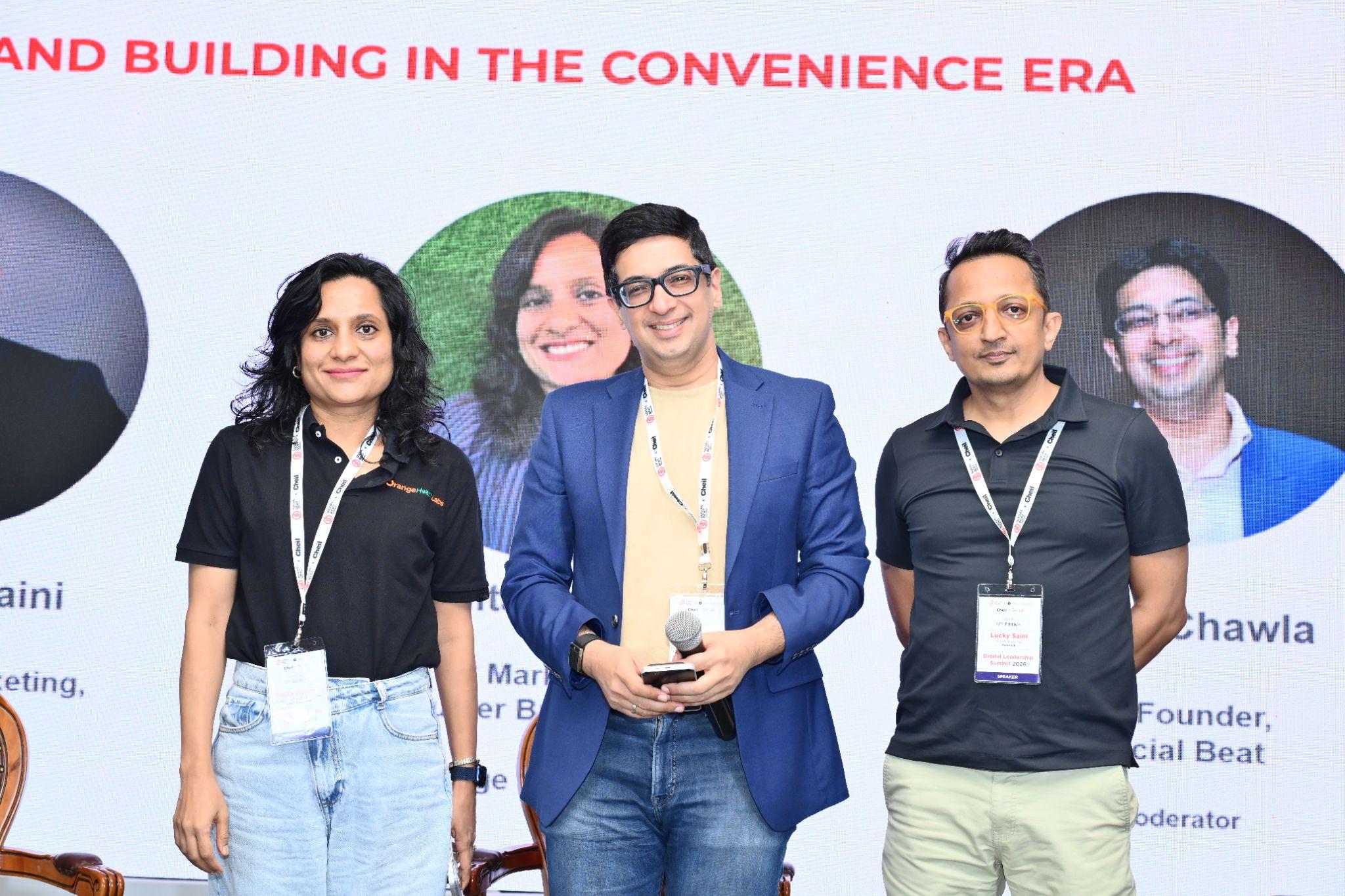
We moderated that panel with Lucky Saini, Head of Marketing at First Club, and Smita Murarka, who runs marketing and the consumer business at Orange Health Labs. The part that stayed with us was not the repositioning itself. It was how each of them knew it had worked.

Lucky Saini described the change in customer complaints. Early on, people wrote in about delivery times. Now, when an order runs a few minutes late, most customers let it go. What they write in about is the fruit. Why is this apple bruised? Why is this mango not sweet?

That shift is worth more than any brand-track study we have seen presented in a review meeting. The complaint moved off the promise and onto the product. Recall tells you a message reached someone. A complaint tells you what they now expect from you. When customers start holding you to a standard you set on purpose, the position has landed. When they are still holding you to the old one, it has not, whatever the tracker says.

Most brands never look here. Support tickets sit with the CX team, positioning sits with marketing, and the two data sets never meet. They should. Read a month of complaints, and you learn what your brand actually promises, as opposed to what your deck claims it promises.

Contrast beats comparison

First Club’s line is “curated slow, delivered fast.” Lucky Saini was blunt about why the word “slow” is in there. People do not notice anything without contrast. If you are building a new category, you have to break the existing frame of reference, and you cannot do that with a line that sounds like everyone else’s, only turned up a notch.

This is where a lot of Indian D2C positioning falls over. The category says fast, so the challenger says faster. The category says pure, so the challenger says purest. That is a comparative, not a contrast, and comparatives get beaten by whoever has the bigger budget. “Slow” sitting next to “fast” makes a reader pause for a quarter second. That pause is the entire job of a brand positioning line.

Lucky Saini named the harder task in front of him now. He has to turn a claim about quality into something a customer can actually see. His phrasing was about making the process of quality so obvious that people cannot unsee it. Every premium brand in India reaches this point. You can assert quality for one funding cycle. After that, you have to show the mechanism.

Speed only works with a reason under it

Smita Murarka made the same case from the other side of the market. Orange Health started during the pandemic, when a diagnostics brand that came to your home fast was solving a real and urgent problem. Speed was the wedge. It was also, in time, the ceiling.

Her point was that speed became defensible only once the brand could explain what produced it. In their case, that is automated labs with little manual handling, sample integrity from the moment of collection, and reports back in six hours. “Speed Meets Science” does not throw away the original promise. It puts a reason under it.

She also drew a distinction Indian brands get wrong all the time. Orange Health is not positioned as premium. It is positioned as fairly priced for the quality you get. Lucky Saini said the same about First Club: good design reads as expensive in this market, and a big part of his job is separating the two. Indian shoppers have been trained to assume that anything that looks considered must cost more. Both brands are trying to break that link rather than cash in on it.

Smita Murarka said retention runs above fifty percent, which is high for a category built on one-off tests. If that holds, it is the strongest number on the panel. The second promise, not the first, is what brings a customer back. For any D2C brand, that is the whole game. The first promise buys the trial. The second promise earns the repeat.

Speed only works with a reason under it

What this looks like from the incumbent’s side

The convenience question was not limited to our panel. In the Iconic Brands session, Akila Chandrasekar of TTK Prestige described something we did not expect. Prestige moved early to put consumer durables onto quick commerce, and pressure cookers and gas stoves now bring in a real share of its online sales.

Nobody needs a pressure cooker in ten minutes. Her read was that the platform has stopped being a delivery channel and become a discovery surface, a shift we called out in our digital marketing trends for 2026. The search bar on a quick commerce app now does the job the Google search bar used to do for that category. The query, the comparison, the shortlist, and the decision all happen in one place. She framed these platforms as closer to a partnership than a marketplace, partly because they pick a small set of category leaders to build the category with.

Vibhor Ronge of MTR, part of Orkla India, described the same thing in media terms. On a quick commerce app, retail and media land on the same screen. The impression and the conversion happen inside one session. For a hundred-year-old food brand, that has changed how budgets get tested: smaller bets, faster reads, a hypothesis built on a narrow segment and then scaled once the signal is clear. This is retail media doing its real job, and most brands are still treating it as a listing fee.

Akila also named a constraint that pure D2C brands do not carry. An omnichannel brand has to hold price hygiene across every channel. It cannot discount hard online without hurting the offline relationships it spent decades building. That is a real strategic limit, and it is one reason incumbents look slower than they are.

What we would do on Monday

Three moves, in the order you can actually do them.

  1. Pull ninety days of complaints and support tickets, and sort them by what the customer assumed you promised. That tells you your real position, for free, this week.
  2. Write the mechanism behind your headline claim in one sentence a customer would understand. If you cannot, the claim is an assertion, and a competitor with a bigger budget will take it from you.
  3. Treat the quick commerce search bar as a search channel, with a search budget and search discipline behind it. The brands moving fastest in quick commerce advertising are the ones who stopped calling it distribution and started running it like quick commerce marketing.

The floor, not the finish

The convenience era did not end. It became the floor. The question every brand in that room was answering, in its own category, was what sits on top of it.

So here is the one to sit with. If your category matched your fastest promise tomorrow, what would you sell on instead, and would your customers already believe it?

FAQs

What is quick commerce?

Quick commerce is the delivery of everyday products, mostly groceries and essentials, in ten to thirty minutes through hyperlocal dark stores. In India, it has moved from novelty to default. Speed is now expected across the category, which is why the strongest brands are competing on quality, range, and trust instead.

What are dark stores in quick commerce?

Dark stores are small, delivery-only warehouses placed inside neighbourhoods. They hold a tight, fast-moving product range and exist only to fulfil online orders, not to receive walk-in shoppers. They are the reason a quick commerce app can promise ten-minute delivery across dense urban areas.

Why is quick commerce working in India?

Quick commerce works in India because of dense cities, low delivery costs, and a large base of shoppers who order small baskets often. Dark store networks sit close to demand, and habit has done the rest. Ordering in ten minutes has become normal rather than remarkable across most metros.

Is fast delivery still a competitive advantage?

Not on its own. When every serious player offers ten-minute delivery, speed becomes the price of entry rather than a differentiator. The advantage now sits in the second promise: product quality, a clear reason behind the speed, and enough trust to bring the customer back for the next order.

What is brand repositioning?

Brand repositioning is the deliberate shift of what a brand stands for in the customer’s mind, usually to move past a claim that has become common. First Club dropping “quick commerce” and Orange Health retiring “India’s fastest lab” for “Speed Meets Science” are both examples of repositioning above a commoditised promise.

How do you know if a brand repositioning has worked?

Read your complaints. When customers stop holding you to the old promise and start holding you to the new one, the reposition has landed. First Club saw this when complaints moved from late delivery to the quality of the fruit. A tracker tells you a message landed. A complaint tells you what people now expect.


Let's do Business